




John Gallagher
Monday, April 8, 2019
U.S. rail interests see China as major security risk
Lobbying group considering more legislation and White House action to stop threat to U.S. rail system.
Railroads continue to play a significant role in North America’s economic infrastructure. According to the U.S. Department of Transportation Federal Railroad Administration, the U.S. rail freight network covers almost 140,000 route miles and is generally considered the largest, safest, and most cost-efficient freight system in the world. In addition, says the FRA, the almost $80 billion rail freight industry creates more than 167,000 jobs across the country.
In essence, rail freight companies charge businesses to carry cargo across their network of rails. Their rates are overseen by the Surface Transportation Board, a federal agency that regulates financial aspects of surface transportation. Major railroads in North America include Union Pacific Railroad, BNSF Railway, CSX, Norfolk Southern, Canadian Pacific Kansas City and Canadian National Railway.
Keep up with the latest news, trends and reports concerning rail freight transport here!
Lobbying group considering more legislation and White House action to stop threat to U.S. rail system.
Trump now threatening tariffs against Mexico while trade groups claim cross-border supply chains still at risk.
Precision scheduled railroading (PSR) could benefit customers and shippers, but its deployment pace and how shippers respond to changes will be key to its success, panelists said today at the North East Association of Rail Shippers conference in Baltimore, Maryland.
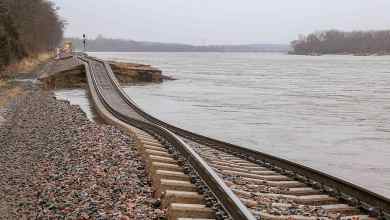
U.S. rail volumes fell again last week as rail service issues continue to plague the post-flooding Midwestern landscape.
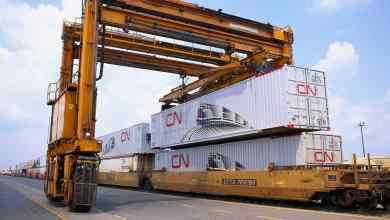
Canadian National (NYSE: CNI) laid out plans to invest C$615 million this year in network infrastructure in eastern Canada amid wider efforts by stakeholders to revamp Canada’s transportation infrastructure and support the nation’s export markets.
U.S. and European freight railroads are very different in many respects. Market analyst Jim Blaze gives insights about how the two systems differ.

The Canadian Transportation Agency (CTA) is seeking public comments on amendments to regulations that govern the rail rates that Canadian National and Canadian Pacific set for hauling grain in western Canada.
Auto sales are declining, but the National Automobile Dealers Association still expects strong sales for 2019, plus the one area where Amazon is losing and opposition to Canada’s carbon tax grows.
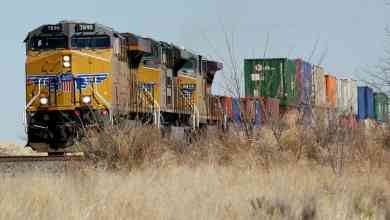
Union Pacific (NYSE: UNP) confirmed that it is slowing down its pace of construction at the multi-million dollar Brazos classification yard in Robertson County, Texas. This comes amid UNP’s plans to implement precision scheduled railroading and modify its operating plan to minimize railcar classification events.
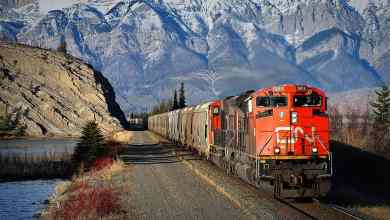
Precision scheduled railroading and positive train control can help railroads improve service, safety and profits. Learn how in Jim Blaze’s piece.

U.S. rail volumes are poised to be lower in the first quarter compared with last year, but whether that decline indicates a looming recession remains to be seen.
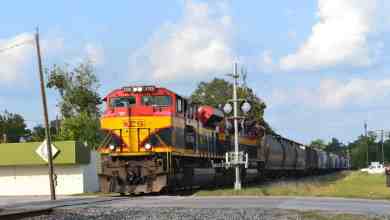
A Mexican government agency says Kansas City Southern (NYSE: KSU) and two other national rail lines have the opportunity to fix rail rates on certain routes serving much of the country’s industrial production.
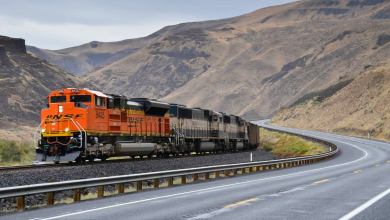
The debate over how many crew members should operate a freight train is back in the spotlight again as federal and state officials push to mandate crew size for the freight railroads.
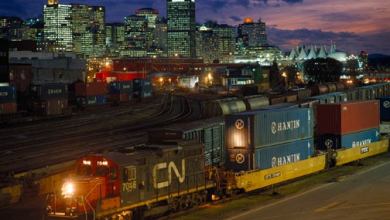
Canadian National (CNR) finalized its acquisition of trucking and transportation provider TransX, months after announcing plans to purchase the company.

BNSF (NYSE: BRK) and Union Pacific (NYSE: UNP) are grappling with the aftermath of the recent historic floods, with both companies scrambling to assess and repair damage as quickly as possible.
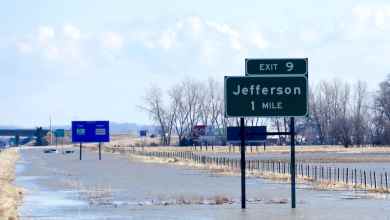
Heavy snow melt and rains have caused historic flooding in 16 states and the FMCSA has lifted certain regulations as a result.
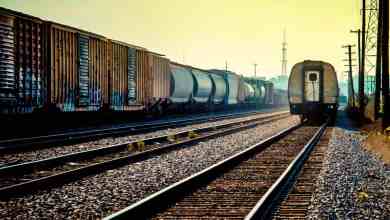
The request by the Association of American Railroads (AAR) asking the Surface Transportation Board (STB) to include a cost-benefit analysis into its rulemaking process is being viewed by some as a positive step towards aligning STB procedure with other U.S. Department of Transportation (DOT) agencies.
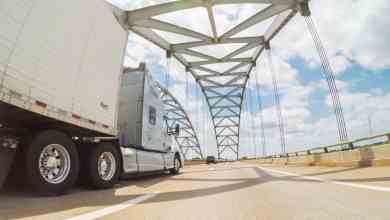
Trump’s budget bodes well for certain freight grants but Democrats take issue with reliance on the private sector.
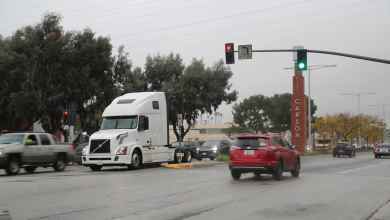
Volvo has started testing connected vehicle technology in California, plus Michigan governor pitches fuel tax hike, California legislator wants to phase out diesel engines and Alibaba buys into delivery company.
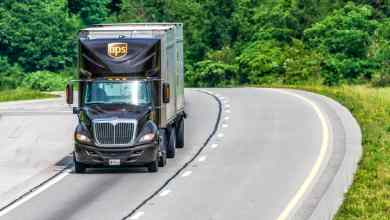
Protecting market share is part of the battle over longer trucks.