





Joanna Marsh
Tuesday, October 1, 2019
Canadian National unveils plan for winter operations
The railway grappled with not only the potential for cold temperatures but also macro uncertainty in crafting plan.
Railroads continue to play a significant role in North America’s economic infrastructure. According to the U.S. Department of Transportation Federal Railroad Administration, the U.S. rail freight network covers almost 140,000 route miles and is generally considered the largest, safest, and most cost-efficient freight system in the world. In addition, says the FRA, the almost $80 billion rail freight industry creates more than 167,000 jobs across the country.
In essence, rail freight companies charge businesses to carry cargo across their network of rails. Their rates are overseen by the Surface Transportation Board, a federal agency that regulates financial aspects of surface transportation. Major railroads in North America include Union Pacific Railroad, BNSF Railway, CSX, Norfolk Southern, Canadian Pacific Kansas City and Canadian National Railway.
Keep up with the latest news, trends and reports concerning rail freight transport here!
The railway grappled with not only the potential for cold temperatures but also macro uncertainty in crafting plan.
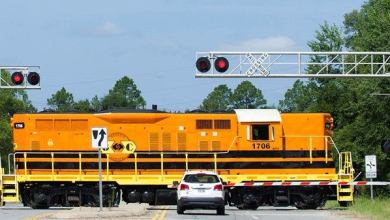
The upgrades come as company and state officials eye anticipated volume growth at the Port of Savannah.
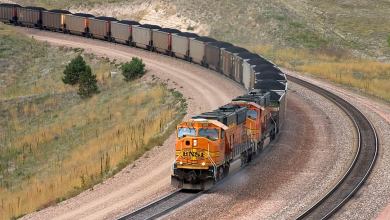
Jim Blaze writes about the decisions that will go into determining 2020 capital expenditures by the freight railroads.
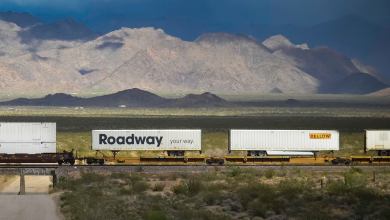
The company is following through on a pledge to acquire 1,000 branded intermodal containers by the end of 2020.

The federal agency on hazardous materials transport has received over 4,000 comments about the law.
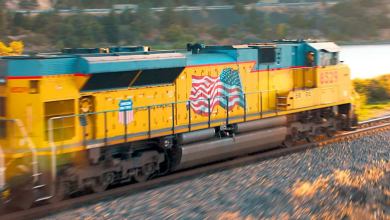
Jennifer Hamann will succeed Rob Knight on January 1, 2020.

The outlook for intermodal freight transportation and what’s going on with driver cash flow and factoring issues will be two of the key topics of discussion on the September 28-29 edition of FreightWaves Radio. Rick LaGore, the CEO of Intek Freight and Logistics, will join us to talk about where his company sits in the […]
Year-to-date U.S. rail traffic down 3.8 percent from the same period in 2018.
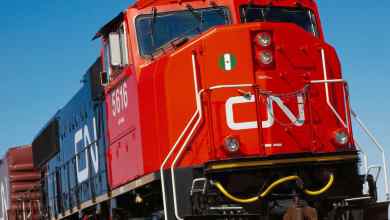
The Canadian class I railroads outlined a number of growth opportunities at an investor conference. Intermodal capacity expansion at the ports and grain delays provided the big takeaways.

To meet future rail demand, stakeholders must confront communication dysfunction.

The U.S. Department of Agriculture agency looks forward to receiving import documentation through Customs and Border Protection’s International Trade Data System.
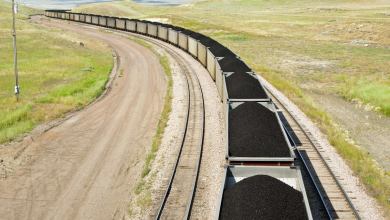
Declining coal consumption in the U.S. may have led to the dispute.
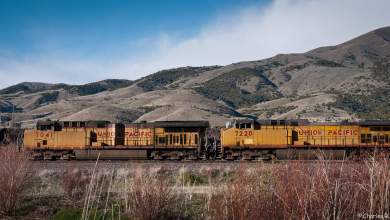
But a lot depends on stabilizing global growth and an industrial recovery in the United States.

Norfolk Southern announced that Claude Mongeau has been elected as a director. The former Canadian National Railway head may be viewed as an effort to improve PSR initiatives or to explore potential opportunities to partner with other Class I railroads.
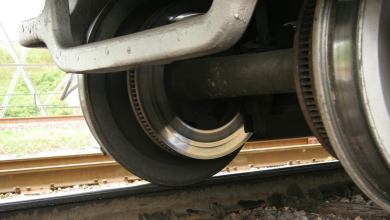
The recommendations by the National Transportation Safety Board relate to a fatal October 2018 accident in which a moving train struck a stationary one.
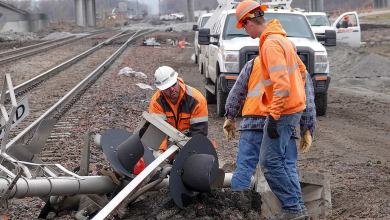
As precision scheduled railroading takes hold, headcount levels drop to their lowest in years.
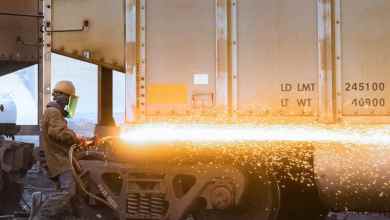
FreightCar America entered a joint venture to build a new manufacturing facility in Mexico as part of its cost improvement initiative.

Through the continued development of automated processes, U.S. Customs and Border Protection foresees the day when paper export manifests will no longer be necessary.
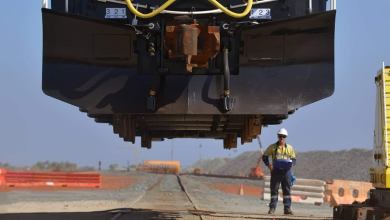
The rail equipment manufacturer will close its Boise facility and move operations to Erie.
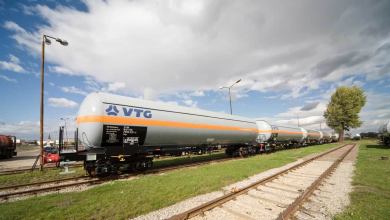
Two lawmakers want more extensive review of the risks and practice of using tank cars to haul liquefied natural gas.