




John Kingston
Friday, May 8, 2020
BLS report: Six years of trucking sector job gains have disappeared
The number of employed is down to 2014 levels.
Railroads continue to play a significant role in North America’s economic infrastructure. According to the U.S. Department of Transportation Federal Railroad Administration, the U.S. rail freight network covers almost 140,000 route miles and is generally considered the largest, safest, and most cost-efficient freight system in the world. In addition, says the FRA, the almost $80 billion rail freight industry creates more than 167,000 jobs across the country.
In essence, rail freight companies charge businesses to carry cargo across their network of rails. Their rates are overseen by the Surface Transportation Board, a federal agency that regulates financial aspects of surface transportation. Major railroads in North America include Union Pacific Railroad, BNSF Railway, CSX, Norfolk Southern, Canadian Pacific Kansas City and Canadian National Railway.
Keep up with the latest news, trends and reports concerning rail freight transport here!
The number of employed is down to 2014 levels.

The COVID-19 pandemic sent U.S. rail volumes tumbling last month. But now, stakeholders are looking at the shape and scope of an eventual recovery.

The coronavirus pandemic didn’t slow grain movement.

The pandemic is exacerbating existing problems with vendors and software installation, according to a federal report.
Some shipping groups say the Board’s recent actions on demurrage and accessorial charges will help bring about more productive rail rate disputes.
The railcar lessor is looking for further add-ons to its fleet as competitors face pressure from the COVID-19 pandemic and the volatile crude oil market.
Multimillion-dollar backlog will help the rail equipment and locomotive manufacturer stay afloat, executives said.
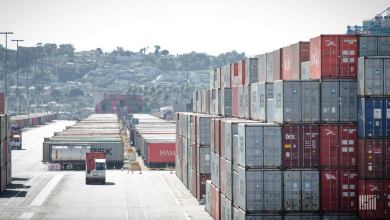
U.S. Federal Maritime Commission asks lawmakers to consider “financial bridge” to help container terminals make their lease payments.
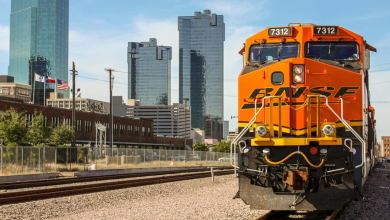
The COVID-19 pandemic dented volume growth in the first quarter for the privately owned railroad.

Like all industries, the coronavirus has impacted railroads. What should they be doing to gain market share and better serve their customers?
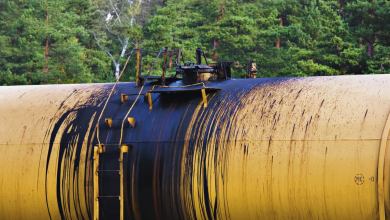
The agencies’ report, which uses findings from Sandia National Laboratories, says a crude oil’s vapor pressure shouldn’t factor into deciding whether certain types of crude oil can be transported via rail.
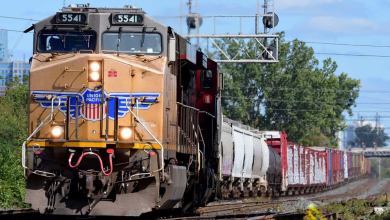
The board hopes the decisions will clarify the controversial practice for stakeholders.

The drop in North American rail traffic could push railcar leasing rates lower.

The effects of the COVID-19 pandemic, as well as the structural decline in U.S. coal consumption, are pulling rail volumes downward.

The cuts to train starts are part of the railroad’s wider objective to implement precision scheduled railroading.
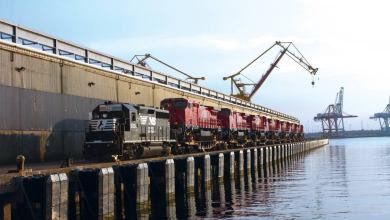
Like other railroads, Norfolk Southern is feeling the effect of lower rail volumes because of the coronavirus pandemic.
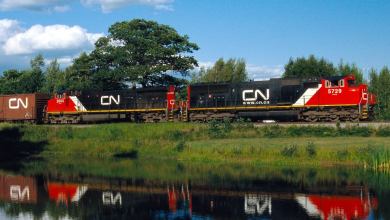
The effect that the coronavirus pandemic is having on rail volumes could get worse in the coming weeks before things get better, according to executives.
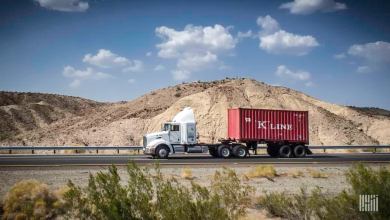
The smallest of the standardized ocean containers in the global fleet remains ideal for dense, heavy agricultural goods, forest products, and machinery shipments.
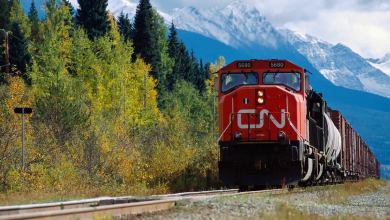
The railway managed to boost its first-quarter net income despite the February rail blockades and the COVID-19 pandemic.
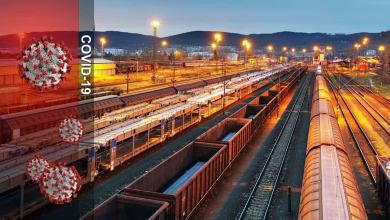
North American railroad leaders believe that the industry is resilient and have reported ongoing demand for rail services.