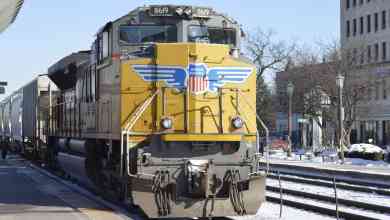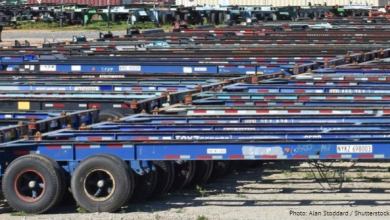
American shippers, draymen want ocean carriers out of chassis pools
Leasing companies say a neutral chassis pool lacks incentive to invest the tens of millions of dollars each year to maintain viable chassis equipment.
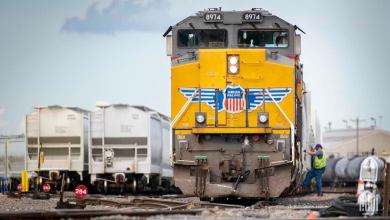
Railroads continue to play a significant role in North America’s economic infrastructure. According to the U.S. Department of Transportation Federal Railroad Administration, the U.S. rail freight network covers almost 140,000 route miles and is generally considered the largest, safest, and most cost-efficient freight system in the world. In addition, says the FRA, the almost $80 billion rail freight industry creates more than 167,000 jobs across the country.
In essence, rail freight companies charge businesses to carry cargo across their network of rails. Their rates are overseen by the Surface Transportation Board, a federal agency that regulates financial aspects of surface transportation. Major railroads in North America include Union Pacific Railroad, BNSF Railway, CSX, Norfolk Southern, Canadian Pacific Kansas City and Canadian National Railway.
Keep up with the latest news, trends and reports concerning rail freight transport here!
Leasing companies say a neutral chassis pool lacks incentive to invest the tens of millions of dollars each year to maintain viable chassis equipment.
The coronavirus pandemic and declining coal volumes hit employee levels at freight and passenger rail companies.
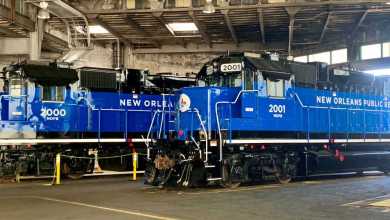
New Orleans Public Belt Railroad brings on eight new engines, which will reduce the operation’s fuel consumption by 25% and emissions by 40%.
A new rule adopted by the Surface Transportation Board, effective July 20, calls for the Class I railroads to report when railcars designated for chemicals or plastics are held for longer than two days.
The Class I railroads are hoping that the restart of U.S. automotive production will be one of the first significant steps towards growing rail volumes. Automakers are resuming production as weekly U.S. carloads tumble 30% year-over-year, the widest decline since 1988.
The fourth quarter of 2020 or the first quarter of 2021 might be when the intermodal sector will see some volume growth. But truck capacity, fuel pricing and pandemic uncertainties make a recovery hard to pin down.
Jim Blaze writes about the advantages to the railroads of rebuilding locomotives instead of buying new ones.
Interoperability between host and tenant railroads nears 60% at the end of the first quarter, up from 48% in December.
Actions by the Surface Transportation Board and the Transportation Safety Board of Canada show both agencies exploring whether there is a need to modify existing regulations.
As various parts of the nation and the world begin to open up, there will be logistical and supply chain issues. Darren Prokop explores those issues.
As Congress and the White House consider short- and longer-term funding infrastructure needs, the railroads want to ensure that the rail sector is part of the discussion.
Are the railroads following Hunter Harrison’s PSR directives? Railroad expert Jim Blaze explores the topic.
OmniTRAX is looking for interested parties seeking to develop commercial facilities along its West Virginia rail lines.
The Class I railroads’ expectations that the second quarter could be rough volume-wise are ringing true.
The Pipeline and Hazardous Materials Safety Administration has determined that existing federal laws preempt a state law that restricted the rail transport of crude oils exceeding a certain vapor pressure limit.
Private equity funds and other investors are scouring 35,000 miles of North American short-line rail track for deals even as the industry sees one of the biggest volume drops since 2008.
The manufacturer is still producing new railcars but expects market conditions to be rough for a while.
Inadequate cybersecurity will allow attackers to hack into railway systems and stop trains, causing massive disruption to freight movement.
Moody’s says rail volumes could slip 15% or more in 2020. Meanwhile, IANA confirms declines in international intermodal volumes in the first quarter.
Union Pacific shutters Cold Connect, citing low freight rates and consumers purchasing shelf-stable items instead of fresh produce amid the coronavirus pandemic.