




Jim Blaze
Monday, June 8, 2020
Commentary: Should we fear mega-railroad mergers?
Jim Blaze explores the pontential for a merger or mergers among the Class 1 railroads.
Railroads continue to play a significant role in North America’s economic infrastructure. According to the U.S. Department of Transportation Federal Railroad Administration, the U.S. rail freight network covers almost 140,000 route miles and is generally considered the largest, safest, and most cost-efficient freight system in the world. In addition, says the FRA, the almost $80 billion rail freight industry creates more than 167,000 jobs across the country.
In essence, rail freight companies charge businesses to carry cargo across their network of rails. Their rates are overseen by the Surface Transportation Board, a federal agency that regulates financial aspects of surface transportation. Major railroads in North America include Union Pacific Railroad, BNSF Railway, CSX, Norfolk Southern, Canadian Pacific Kansas City and Canadian National Railway.
Keep up with the latest news, trends and reports concerning rail freight transport here!
Jim Blaze explores the pontential for a merger or mergers among the Class 1 railroads.
BNSF and others are monitoring their rail networks as Cristobal moves up the Mississippi River Valley.
Darren Prokop provides information on the USMCA, which goes into effect on July 1, 2020. How will the agreement impact trade and supply chains in the three countries?
The tropical storm, expected to make landfall Sunday evening, could cause shipment delays because of potential flooding.
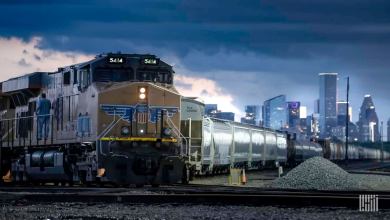
Labor groups praise bill’s contents but key freight rail group is “disappointed.”
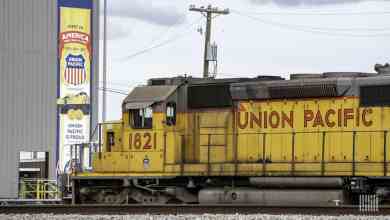
The railroad’s deployment of precision scheduled railroading resulted in faster and longer trains and reduced car sorting, according to the company’s recent sustainability report.
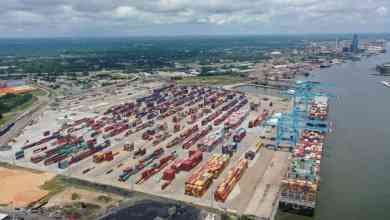
Alabama State Port Authority and APM Terminals Mobile will help get products to customers quickly
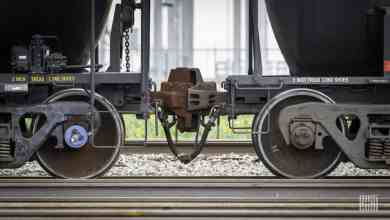
Although rail traffic is still down significantly over 2019, that wide difference in volumes could be slowly starting to narrow.
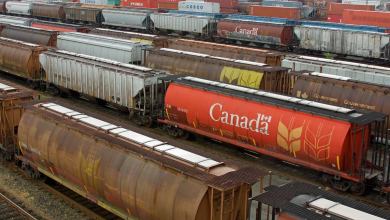
Investments in recent years to expand capacity along their western Canadian grain networks have paid off for Canadian Pacific and CN.
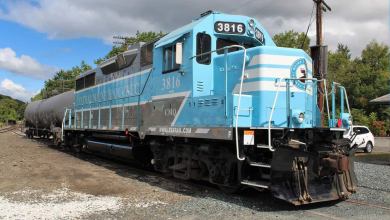
CP has said the acquisition of the U.S. and Canadian operations of the short line railroad would boost CP’s reach into eastern Canada, as well as grow CP’s network into about 13,000 miles coast-to-coast over six Canadian provinces and 11 U.S. states.
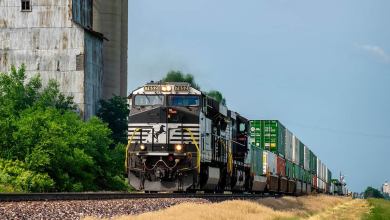
The changes come as the eastern U.S. railroad enters another year of precision scheduled railroading.
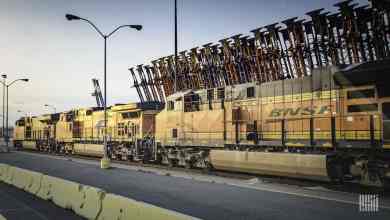
Move aimed at preventing possible container transportation emergency.
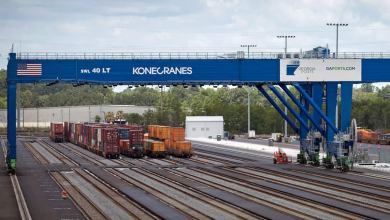
Dredging efforts and rail capacity expansions at the Southeastern U.S. ports are part of a broader regional strategy to capture more Midwest-bound container traffic on the East Coast.
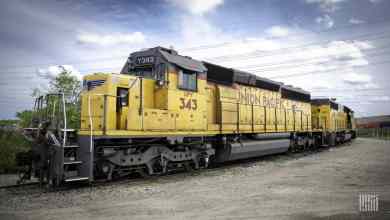
Shippers’ lawsuits on alleged price fixing on fuel surcharges see continued activity. A hearing is scheduled in August.

Sysco, Svitzer, Adnavem and AddSecure add industry all-stars
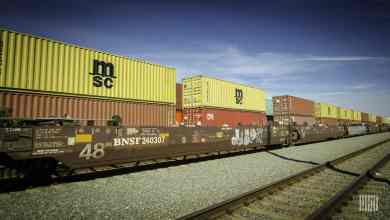
Railroad volumes continue to drop. What might they do to increase volumes? Where are the volume increases going to come from?
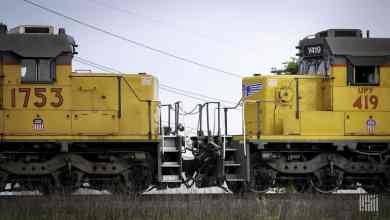
The waivers were given to passenger and freight railroads because of the COVID-19 pandemic.
Twelve projects in nine states get funding to upgrade track and rail crossings and other types of rail infrastructure.

Despite U.S. rail traffic remaining sharply lower on a year-over-year basis, rail volumes for commodities such as grain and motor vehicles and parts helped to push volumes higher on a week-to-week basis.

The bipartisan bill seeks to streamline the application process and lower the application costs for a loan program for short line and passenger railroads.