




Joanna Marsh
Tuesday, September 22, 2020
US rail headcount rises on monthly basis
But despite the increase between July and August, employment totals of the U.S. Class I rail operations are still down year-over-year.
Railroads continue to play a significant role in North America’s economic infrastructure. According to the U.S. Department of Transportation Federal Railroad Administration, the U.S. rail freight network covers almost 140,000 route miles and is generally considered the largest, safest, and most cost-efficient freight system in the world. In addition, says the FRA, the almost $80 billion rail freight industry creates more than 167,000 jobs across the country.
In essence, rail freight companies charge businesses to carry cargo across their network of rails. Their rates are overseen by the Surface Transportation Board, a federal agency that regulates financial aspects of surface transportation. Major railroads in North America include Union Pacific Railroad, BNSF Railway, CSX, Norfolk Southern, Canadian Pacific Kansas City and Canadian National Railway.
Keep up with the latest news, trends and reports concerning rail freight transport here!
But despite the increase between July and August, employment totals of the U.S. Class I rail operations are still down year-over-year.
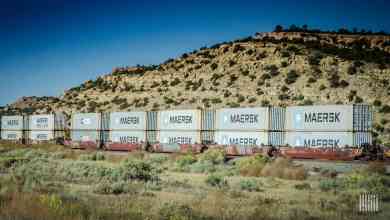
2020 could end up for the railroads as the worst overall freight volume loss year-over-year in the past 15 years.
The provision of sizable infrastructure is an example of the government’s positive role in the market for transportation.
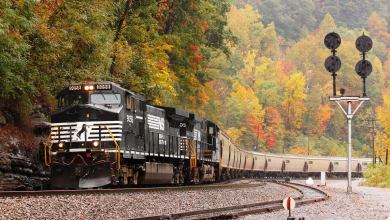
FreightWaves chatted with Norfolk Southern’s Chief Sustainability Officer Josh Raglin to learn how the company’s sustainability efforts complement operations.

Newly released case study says gateway’s work could become model for other Canadian ports
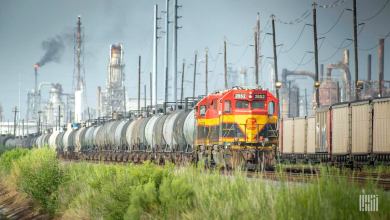
U.S. rail volumes, including intermodal traffic, fell in a week that was shortened by Labor Day.
Online sales depend heavily on a robust industrial real estate infrastructure.
FreightWaves CEO and Director of Freight

The U.S. Department of Transportation awarded $1 billion in BUILD grants. A handful of those grants went to projects improving freight rail traffic flows.
The deal comes amid wider efforts from both companies to expand their reach and increase supply chain efficiency.
A bountiful harvest, anticipated surge in export volumes as well as wild card factors could test U.S. rail network capacity post-PSR.
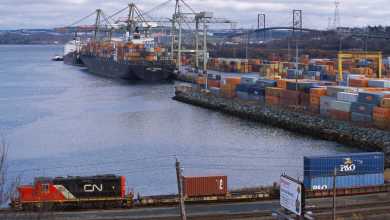
Changes with significant impact on rail customers are taking place across New England.
Kathryn M. Farmer will assume the role of president and CEO in January, taking the reins from current President and CEO Carl R. Ice. Ice is retiring but will remain on BNSF’s board of directors.

The hurricane is expected to make landfall in the New Orleans area sometime Tuesday.
The wildfires in Washington state aren’t a major threat to BNSF’s Washington operations, but the railroad deployed trains to help area first responders. Union Pacific grappled with wildfires near a Northern California subdivision last week.
Iowa transportation company Travero plans to open a multimodal cross-dock operation by next September.
“Depressed railcar demand” and the need to cut costs factored into the manufacturer’s decision.
A Colorado county has paved the way for the construction of a 620-acre rail-served industrial park in the greater Denver area.
More than 20 years of investment and dedication to the U.S. wind energy industry pays off for Anderson Trucking Service even during the worst of times.

U.S. intermodal traffic continues upward trend; separately, Kansas City Southern reportedly rejects takeover bid.