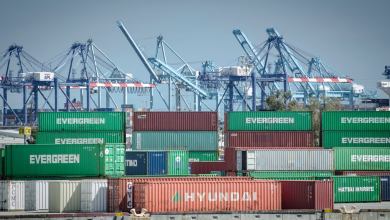
FMC waits for details on California port surcharges
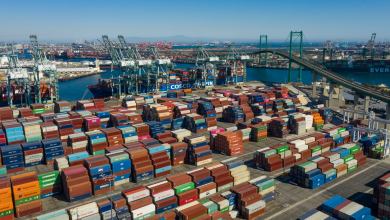
The ports of Los Angeles and Long Beach haven’t informed federal regulators yet about their plans to hit ocean carriers with big fees for excessive storage of containers.
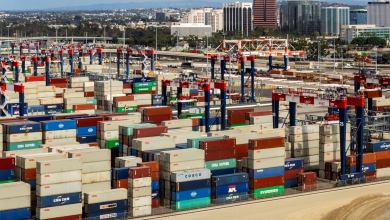
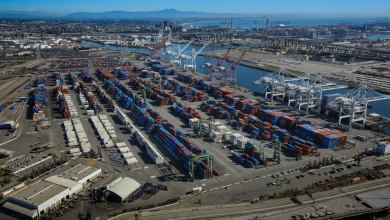
The ports of Los Angeles and Long Beach are turning to heavy-handed tactics to address a container logjam that is gumming up supply chains.
Shippers, carriers and logistics companies aren’t getting many answers yet about hefty surcharges for lingering containers at the ports of Los Angeles and Long Beach.
Trans-Pacific container shipping rates remain exceptionally strong despite a dip earlier this month.
California and federal officials are partnering to speed up future freight infrastructure investments, as well as reduce delays impacting cargo flows today.
The daily surcharge fines begin Monday, but there has been no immediate surge of container activity.
Biden-backed plan to tackle container congestion could make logjam even worse, critics believe.
The Port of Long Beach is trying to innovate its way out of container gridlock. The latest move is regular shuttle trains to Utah to reduce less efficient truck moves.
A Florida lawmaker says China is undercutting the container gantry crane market and increasing cyber-risks for U.S. ports.
The freight and supply chain sector is often categorized as “hard to abate” when it comes to greenhouse gas emissions. AskWaves digs into why that is.
The Los Angeles/Long Beach cargo community is confused about punitive fees on ocean carriers designed to expedite the clearance of containers from marine terminals.
The Jacksonville Port Authority handled more than 1.4 million TEUs in its 2021 fiscal year, an all-time annual record, and it says it’s ready to take on more for those wanting “congestion-free” service.
Media coverage increasingly links consumer price inflation to container shipping and supply chain chaos.
To make room for more containers at the ports of Los Angeles and Long Beach, UP and BNSF are offering incentives to ocean carrier customers to move out the containers already there. UP is also temporarily pausing westbound marine container movement to its Long Beach facility.
The Clure Public Marine Terminal now can handle “international shipping containers transported by vessel.”
Many media outlets are reporting that a Long Beach city order will allow bigger container stacks at the port. Not true. It’s for container yards outside the harbor district.
Upward of 2,000 empty containers are being sent to LA, potentially creating more burden on the congested port.
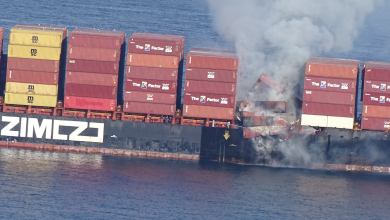
It’s no coincidence that spiking trans-Pacific trade coincides with more boxes overboard and more shipping accidents.
It costs roughly $7 million to charter a vessel, but avoiding congested ports may be worth it for some big companies.
Cargo Force is the intermediary between the U.S. Postal Service and FedEx on Priority air shipments.