Best Buy shrinking some store footprints to focus on order fulfillment
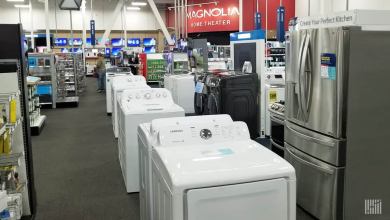
Best Buy is shrinking its retail footprint in several locations as it moves to using stores for e-commerce order fulfillment operations.


A bad returns experience can turn off nearly three-quarters of consumers on a brand, so developing solutions to simplify this process are vital.
COVID altered the way CPG retailers and manufacturers interacted with, and delivered products to, consumers, and it is unlikely to ever return to the old ways.
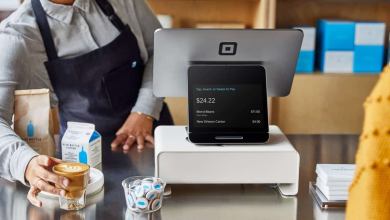
Payment services provider Square posted 101% net revenue growth in 2020 over 2019 and 45% growth in net profit as it benefited from large growth in its Cash App division.
DoorDash is accepting applications from women-, immigrant- and BIPOC-owned restaurants to participate in a new accelerator program designed to improve their chances of success.
As ghost kitchens have popped up across the country, few have appeared on college campuses. Chartwells, which provides dining hall services, is rolling out the concept at client schools.
The COVID-19 pandemic highlighted the importance of artificial intelligence in e-commerce, with companies utilizing the technology able to adapt quicker to changing consumer demands.
Demand for technology platforms that can automate the entire D2C experience is growing, and Pipe17 is the latest to secure funding to expand its solution.
As more packages and groceries are being shipped to consumers’ front doors, the demand for systems that can secure and maintain the freshness of items is growing.
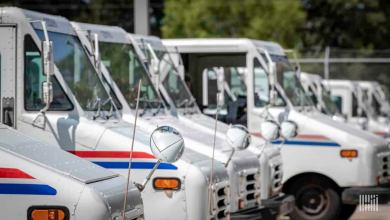
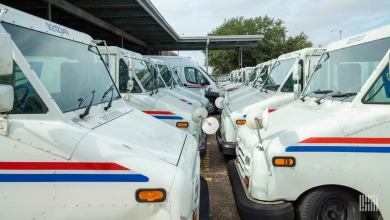
The rate increases could generate needed revenue and profits, but they may narrow the price-service gap between the Postal Service and its rivals.
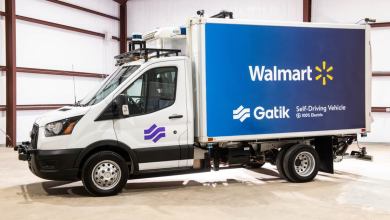
Autonomous vehicle startup Gatik has announced it will deploy electric trucks as part of its autonomous testing in New Orleans with partner Walmart.
Amazon has acquired Selz, a provider of technology that allows sellers to build an online storefront.
As rideshare has plummeted because of the COVID-19 pandemic, Lyft has had to chart a new path forward in the next decade. That path features a reliance on autonomous vehicles and e-commerce deliveries.
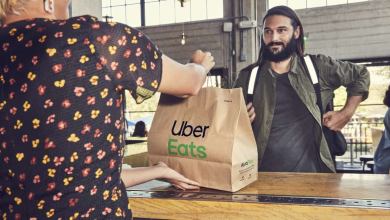
Investments in its Eats and Delivery platforms have Uber on a path toward profitability as its Rides business recovers post-pandemic.
Commerce platform Fabric has leveraged market demand for its product to close a $43 million Series A round of funding just months after it secured its seed round.
Lyft said it is investing in the business so it is positioned to benefit in an expected rideshare rebound, perhaps as early as Q2.
FreightWaves has announced the launch of Modern Shipper. The editorial brand will provide news and information about e-commerce, the gig economy and the important roles each plays in the supply chain.
Lyft reported a 45% decline in active riders and 44% decline in revenue in Q4 as the pandemic continued to affect ridesharing.
The agency’s revamp will likely include cost reductions, price increases and efforts to streamline what many consider a bloated organization.
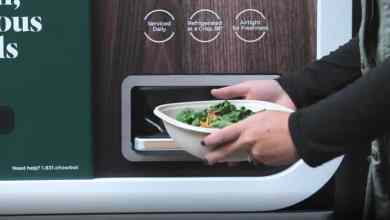
DoorDash is acquiring Chowbotics, hoping to leverage the firm’s salad-making robots to provide DoorDash partners new revenue opportunities.