





Brian Straight
Wednesday, February 10, 2021
Lyft executives confident in rebound
Lyft said it is investing in the business so it is positioned to benefit in an expected rideshare rebound, perhaps as early as Q2.
Modern Shipper covers the gig economy, including same-day, on-demand, and last-mile delivery jobs and services. Readers will find current news on gig economy companies, gig economy workers, gig economy data and trends. In addition, Modern Shipper focuses on e-commerce, e-commerce platforms and companies, and e-commerce services and technologies.
Lyft said it is investing in the business so it is positioned to benefit in an expected rideshare rebound, perhaps as early as Q2.

FreightWaves has announced the launch of Modern Shipper. The editorial brand will provide news and information about e-commerce, the gig economy and the important roles each plays in the supply chain.

Lyft reported a 45% decline in active riders and 44% decline in revenue in Q4 as the pandemic continued to affect ridesharing.
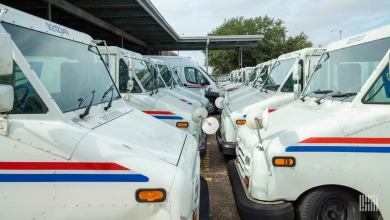
The agency’s revamp will likely include cost reductions, price increases and efforts to streamline what many consider a bloated organization.

A top FedEx reverse logistics expert says the online returns tsunami has just begun.
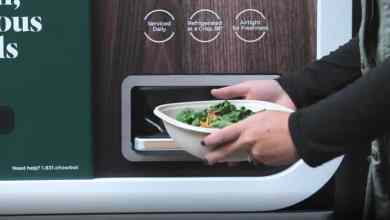
DoorDash is acquiring Chowbotics, hoping to leverage the firm’s salad-making robots to provide DoorDash partners new revenue opportunities.

Demand for its products skyrocketed, but port congestion and freight capacity constraints have prevented their delivery, and now Peloton is spending $100 million to try and fix its supply chain.

The gig economy grew at a 33% rate in 2020 as more workers looked for flexible work schedules and ways to supplement, or even replace, lost income during the pandemic.
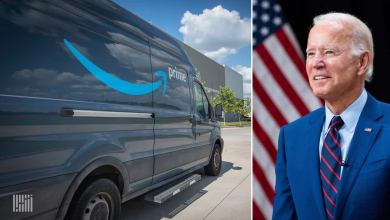
President Biden has pledged to pump funding into state and local agencies in a bid to make last-mile freight delivery smarter and safer.

A new organization in New Jersey backed by app-based companies and community leaders is working to ensure gig workers can maintain their flexible and independent employment status.

Slync.io, a Dallas-based operating system for global logistics, announced the close of its $60 million Series B funding round.

SmartHop is more than just a freight dispatch; its “business-in-a-box” tools distinguish it as a comprehensive solution for over-the-road-trucking.

E-commerce sales for alcohol are outpacing overall online sales, and Uber is betting that will continue post-pandemic, paying $1.1 billion for on-demand delivery company Drizly.

Amazon announces a leadership shift as it crushes fourth-quarter 2020 estimates and reports $125 billion in revenue.

Scott Ruffin’s company is poised to exploit weaknesses in legacy delivery networks to take B2C share.
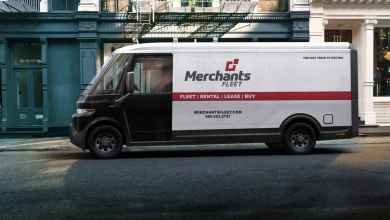
BrightDrop, the new General Motors business-to-business electric first-to-last-mile delivery subsidiary, will sell 12,600 of its vans to Merchants Fleet.

Uber will acquire Drizly, an on-demand alcohol marketplace, for $1.1 billion in cash and stocks.

As online sales of furniture and other heavy goods grows, smaller sellers have been at a disadvantage without a national logistics partner. Deliveright and Shopify are changing that.

EcoCart offers e-commerce consumers a chance to purchase carbon offsets at checkout to lessen the environmental impact of the order.

Grubhub will provide delivery of Girl Scout Cookies to customers using the Grubhub platform to place orders from local troops.