Medically Necessary: Prisons present unique challenges for vaccine supply chain
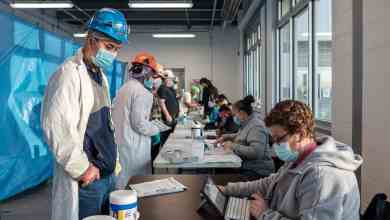
Security measures and remote locations complicate the last mile. But some correctional systems are vaccinating inmates quickly.
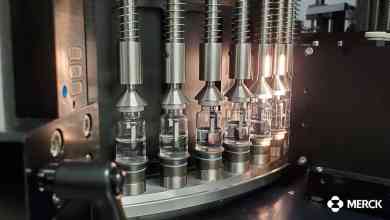
Companies that are normally competitors are making deals to share technology and manufacturing capacity to produce enough COVID-19 vaccines.
The effort to stop the COVID-19 pandemic is generating a lot of waste. Now, health care providers have to dispose of those materials.
Companies in a wide variety of industries are starting to offer vaccines to their employees at work. That protects employees’ health and the company’s bottom line.
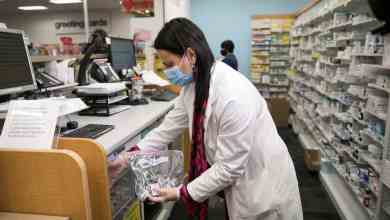
The FDA failed to conduct 1,000 inspections last year because of the COVID-19 pandemic. That backlog could clog the pharmaceutical supply chain.
The recent stimulus bill would funnel billions to the health care supply chain quickly. Recent executive orders indicate the feds aim to focus on health care supply chain long term.
Delaying second doses would change the distribution pattern for vaccines and reshape the supply chain. Also, vaccine manufacturers say supply is about to dramatically increase.
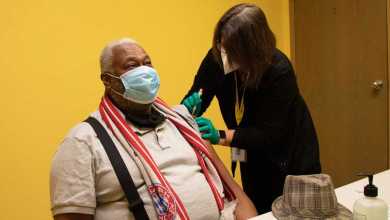
Americans of color are receiving the vaccine at far lower rates than white Americans. Doctors and ethicists say prioritizing essential workers and more proactive outreach would create a more equitable supply chain.
A winter storm delayed shipments of COVID-19 vaccine doses across the U.S. The Biden administration expects delayed doses to arrive soon.
Supply chain experts say a national IT system for vaccine distribution could speed things up.