




Joanna Marsh
Monday, November 2, 2020
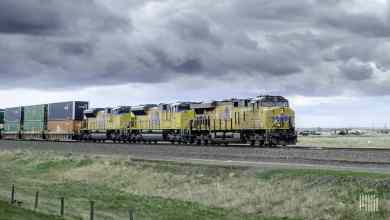
Moody’s views US freight rail as ‘stable’ in 2021
The bond credit ratings firm updates its outlook for the freight rail industry from negative to stable amid rising rail volumes.
Railroads continue to play a significant role in North America’s economic infrastructure. According to the U.S. Department of Transportation Federal Railroad Administration, the U.S. rail freight network covers almost 140,000 route miles and is generally considered the largest, safest, and most cost-efficient freight system in the world. In addition, says the FRA, the almost $80 billion rail freight industry creates more than 167,000 jobs across the country.
In essence, rail freight companies charge businesses to carry cargo across their network of rails. Their rates are overseen by the Surface Transportation Board, a federal agency that regulates financial aspects of surface transportation. Major railroads in North America include Union Pacific Railroad, BNSF Railway, CSX, Norfolk Southern, Canadian Pacific Kansas City and Canadian National Railway.
Keep up with the latest news, trends and reports concerning rail freight transport here!
The bond credit ratings firm updates its outlook for the freight rail industry from negative to stable amid rising rail volumes.
The U.S. Department of Transportation hopes the changes will help more short line and regional railroads modernize and upgrade their infrastructure.
A politician’s perceived influence over transportation policy may factor into who gets financial support.
Envase Technologies platform will expand its presence in Canada with the acquisition of TMS provider Tailwind Transportation Software.
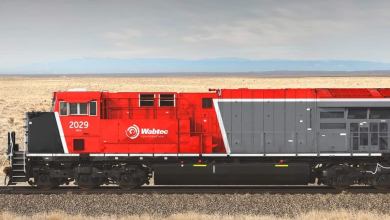
The international market for freight rail services and equipment is pulling ahead of the North American market, but that should catch up eventually, Wabtec said during its third-quarter earnings call.
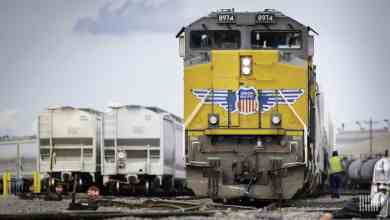
U.S. rail volumes on a weekly basis were 2% higher last week amid a 9% increase in intermodal traffic.
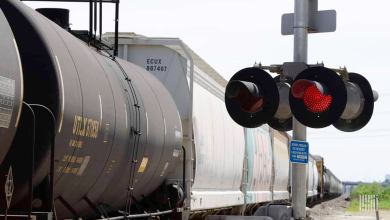
Zeta, which weakened to a tropical storm after making landfall Wednesday, could cause some service issues.

Privately owned short line operator Patriot Rail is planning to acquire the 26-mile short line as it eyes business opportunities in Utah.
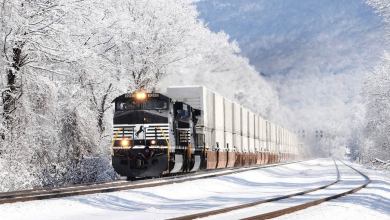
The railroad will be idling rail yards around Atlanta and will cease humping operations at its Macon, Georgia, yard.
The U.S. Department of Transportation is awarding $291 million to 11 intercity rail projects. Some of the projects will benefit freight rail.

Rail stakeholders debate the legacy of precision scheduled railroading and the common carrier obligation.
The Eastern U.S. railroad reported an adjusted net income of $643 million in the third quarter of 2020, compared with $657 million a year ago.

Separate protests in Mexico have been disrupting railways and highways in the Mexican states of Chihuahua and Michoacán since mid-August.
Lower volumes blamed for the job reductions in Kansas.
David Fisher’s 30 years of industry experience is expected to advance the university’s graduate program for transportation, logistics and supply chain executives.
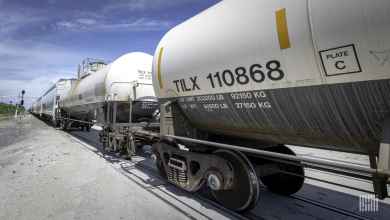
Rail freight needs to become more truck-like as to timely inventory reporting.
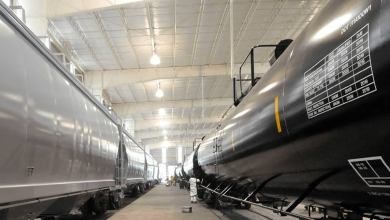
The railcar manufacturer sees mid-2021 as a possible time frame for a post-coronavirus economic recovery for the rail industry.
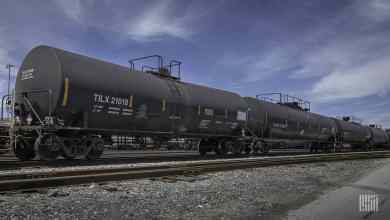
The railcar lessor has developed a new strategy that will focus on providing rail-related services and products as part of a broader effort to boost its profitability.
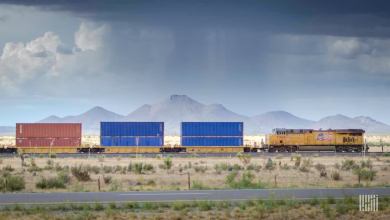
UP expects longer and heavier trains in its future as it seeks to take more intermodal market share away from trucks.
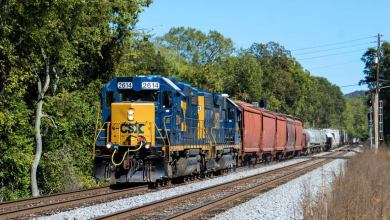
The company is also eyeing opportunities to develop its real estate offerings and will bring on more assets to handle additional volumes, executives said during CSX’s third-quarter earnings call.