




Joanna Marsh
Thursday, October 22, 2020
US weekly rail volumes higher amid intermodal gains
Intermodal traffic props up rail volumes and gains for retail sales; CSX, Union Pacific announce new appointments.
Railroads continue to play a significant role in North America’s economic infrastructure. According to the U.S. Department of Transportation Federal Railroad Administration, the U.S. rail freight network covers almost 140,000 route miles and is generally considered the largest, safest, and most cost-efficient freight system in the world. In addition, says the FRA, the almost $80 billion rail freight industry creates more than 167,000 jobs across the country.
In essence, rail freight companies charge businesses to carry cargo across their network of rails. Their rates are overseen by the Surface Transportation Board, a federal agency that regulates financial aspects of surface transportation. Major railroads in North America include Union Pacific Railroad, BNSF Railway, CSX, Norfolk Southern, Canadian Pacific Kansas City and Canadian National Railway.
Keep up with the latest news, trends and reports concerning rail freight transport here!
Intermodal traffic props up rail volumes and gains for retail sales; CSX, Union Pacific announce new appointments.

Lower fuel prices drove Union Pacific’s operating ratio lower. Meanwhile, third-quarter net profit fell 12% year-over-year.
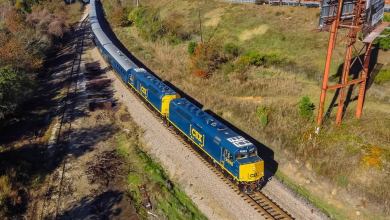
Just like its other Class I counterparts, CSX grappled with lower volumes year-over-year in the third quarter as the broader economy recovers from the COVID-19 pandemic.
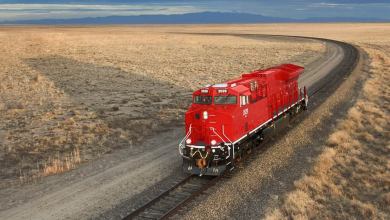
The rail equipment and technology provider is one of many companies that have laid off or furloughed employees because of the lower-volume environment exacerbated by the coronavirus pandemic.
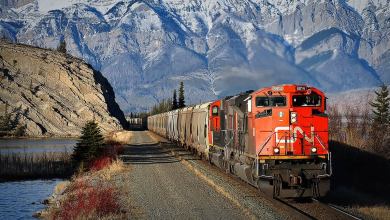
Higher rail volumes continue to be a trend in the fourth quarter, but the pace of volume growth could depend on how the COVID-19 pandemic plays out this winter.
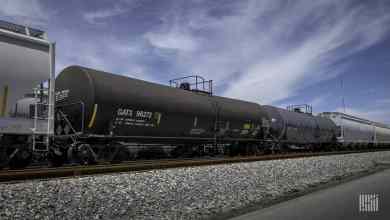
Revenue growth in the railcar lessor’s international segment and in its portfolio management program affiliated with Rolls-Royce helped offset losses for its North American segment.
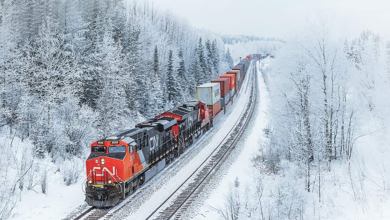
The COVID-19 pandemic continued to put pressure on CN’s volumes in the third quarter.
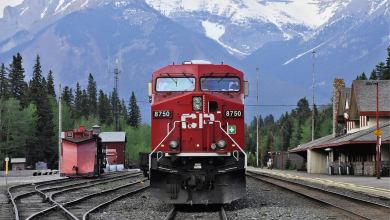
The railroad has 1,000 acres it can develop with partnering customers.
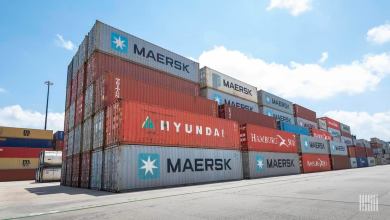
The Agriculture Transportation Coalition, together with TradeLanes, surveys hundreds of American shippers about the cost to their bottom lines of uncommunicated earliest return dates from ocean carriers.
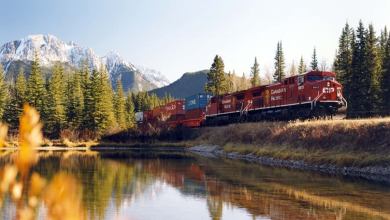
Canadian Pacific’s net income fell 3% in the third quarter.
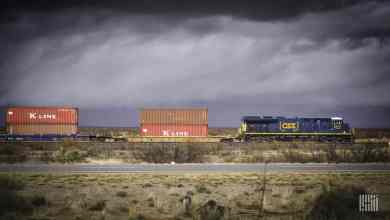
An investigation is underway into a fatality that occurred last week at CSX’s Acca Yard in Richmond, Virginia.

Executives are confident about an economic recovery but uncertainty persists over how much volumes will grow in the fourth quarter and into 2021.
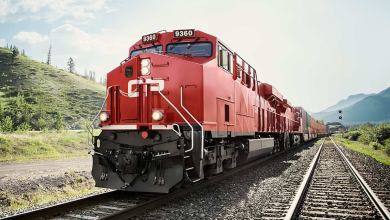
Canadian Pacific Railway will pay $312 million for full ownership of a 1.6-mile tunnel linking U.S.-Canada via Detroit and Windsor
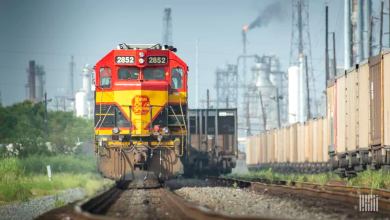
Genuflecting toward Wall Street has symbolically become part of the North American Class 1 rail company culture.

Lower operating expenses drove the increase in third-quarter net income.
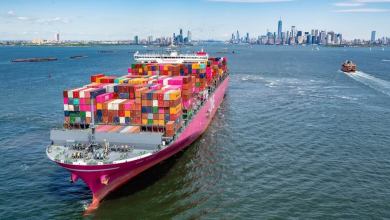
“Port partners are taking proactive steps to add more resources and service hours to support this untraditional peak cargo volume season.”
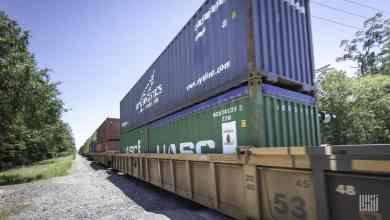
U.S. intermodal traffic on a weekly basis rose 8.4% year-over-year. Carload volume still lags although the year-over-year gap is narrowing.

Intermodal containers arrived this week at North Dakota’s first and only intermodal facility in Minot.

The USMCA Corridor would connect rail from the Pacific Ocean in Mexico through the United States all the way to Canada.
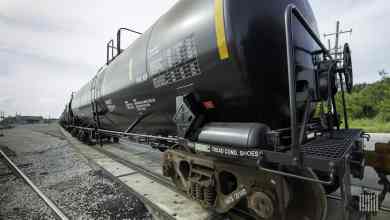
The groups say more federal oversight is needed for the transport of liquefied natural gas by rail.