




Joanna Marsh
Thursday, October 15, 2020
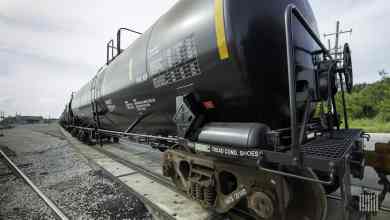
Environmental groups appeal permits for LNG export facility in New Jersey
The groups say more federal oversight is needed for the transport of liquefied natural gas by rail.
Railroads continue to play a significant role in North America’s economic infrastructure. According to the U.S. Department of Transportation Federal Railroad Administration, the U.S. rail freight network covers almost 140,000 route miles and is generally considered the largest, safest, and most cost-efficient freight system in the world. In addition, says the FRA, the almost $80 billion rail freight industry creates more than 167,000 jobs across the country.
In essence, rail freight companies charge businesses to carry cargo across their network of rails. Their rates are overseen by the Surface Transportation Board, a federal agency that regulates financial aspects of surface transportation. Major railroads in North America include Union Pacific Railroad, BNSF Railway, CSX, Norfolk Southern, Canadian Pacific Kansas City and Canadian National Railway.
Keep up with the latest news, trends and reports concerning rail freight transport here!
The groups say more federal oversight is needed for the transport of liquefied natural gas by rail.

Rail reform law faces backlash from pro-regulation forces; tragic mistake to reverse course, former DOT secretary says.
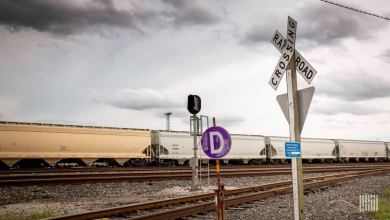
A rail shippers coalition continues efforts to ask the Surface Transportation Board to consider collecting first-mile and last-mile data.
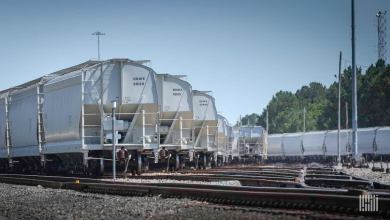
GoRail sent a letter on the 40th anniversary of the Staggers Act telling the Surface Transportation Board not to make wholesale changes to rail regulation. The letter had over 1,000 signatures from local, state and federal officials and executives.
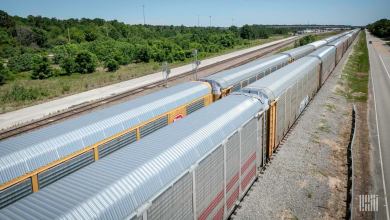
GameAbove Capital takes equity stake in Pro-Tech Group’s patented technology for better utilization of empty railcars.
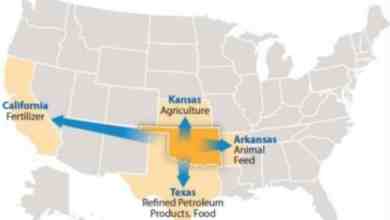
Oklahoma looks to have a reasoned approach toward railway change.

The Canadian government will invest C$33.4 million in the inland Quebec port.

Train vs. truck in collisions. Train always wins.
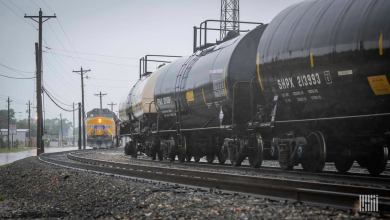
The federal agency says the rule would reduce unnecessary costs and incentivize innovation while also improving rail safety.

Two Class I railroads select members for their respective boards of directors.
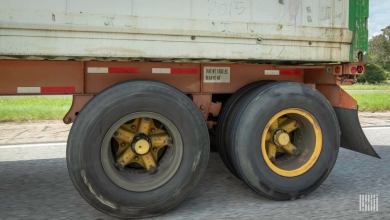
Container chassis management model in the U.S. challenges advancement of full-circle tracking technologies.

Brad Hildebrand discussed Cargill’s reliance on dependable rail service during FreightWaves Last Mile Logistics Summit.
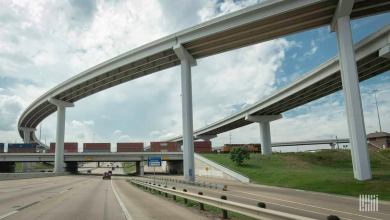
U.S. intermodal volumes grew in September amid a continued increase in U.S. imports.

The Eastern U.S. railroad said it expects preliminary operating revenue of $2.5 billion and operating expenses of $1.67 billion in the third quarter of 2020.
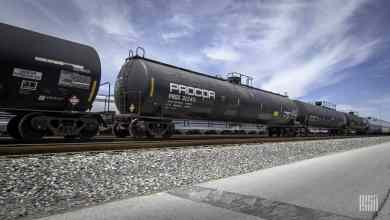
Grain members of Surface Transportation Board advisory committee say the railroads have been supplying sufficient amounts of power and crews to meet service needs.
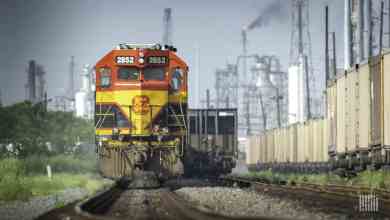
Although the hurricane isn’t expected to make landfall until later this week, the Class I railroads are preparing now for potential service disruptions.
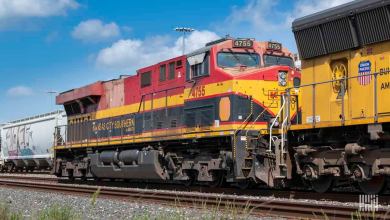
Railway blockades reportedly are costing the Mexican economy more than $18 million a day.
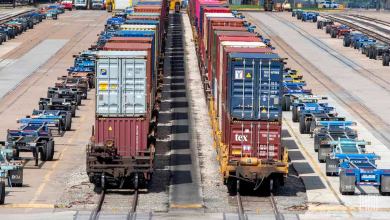
Drayage truckers on the Envase platform have access to an online marketplace that connects them to available parking and storage lots nationwide.
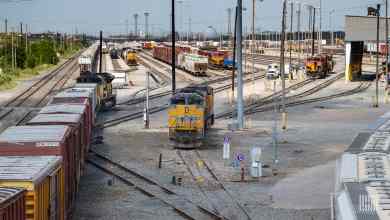
National freight “outlook” is significant for states, municipalities and companies that may want federal money for rail or other transport projects.
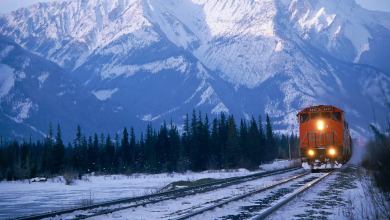
CN and Canadian Pacific say they’ll use communication and technology to grapple with winter’s operational challenges.