




Joanna Marsh
Thursday, January 30, 2020
US Class I railroads eye intermodal lane opportunities
Union Pacific opens lanes, while Norfolk Southern talks lane opportunities to take market share from trucks.
Railroads continue to play a significant role in North America’s economic infrastructure. According to the U.S. Department of Transportation Federal Railroad Administration, the U.S. rail freight network covers almost 140,000 route miles and is generally considered the largest, safest, and most cost-efficient freight system in the world. In addition, says the FRA, the almost $80 billion rail freight industry creates more than 167,000 jobs across the country.
In essence, rail freight companies charge businesses to carry cargo across their network of rails. Their rates are overseen by the Surface Transportation Board, a federal agency that regulates financial aspects of surface transportation. Major railroads in North America include Union Pacific Railroad, BNSF Railway, CSX, Norfolk Southern, Canadian Pacific Kansas City and Canadian National Railway.
Keep up with the latest news, trends and reports concerning rail freight transport here!
Union Pacific opens lanes, while Norfolk Southern talks lane opportunities to take market share from trucks.
Moscow-based Grand Service Express began offering service to the Russian-occupied Crimean Peninsula in December.
Recent trade developments should help rail volumes improve, particularly in the second half of 2020, executives said.
Railroad giant Norfolk Southern Corp.’s fourth-quarter profit declined 5% as the company hauled 9% less freight, officials said. Norfolk Southern (NYSE: NSC) reported its operating and financial results for the fourth quarter of 2019 before the market opened Wednesday. Norfolk Southern (NS) reported total revenues of $2.7 billion in the fourth quarter, down 7% year-over-year, […]
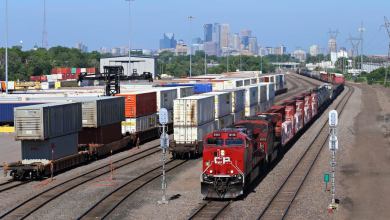
Revenue gains for grain, energy, chemicals and plastics provide boost.
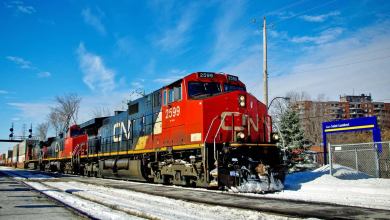
The railway cited the labor strike and weak freight demand in lower fourth-quarter profits.
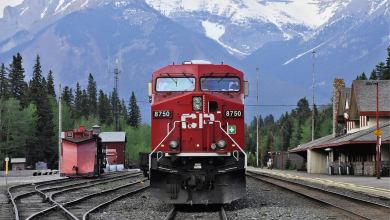
The railway and the rail union respond to a CBC documentary about a fatal February 2019 train accident.
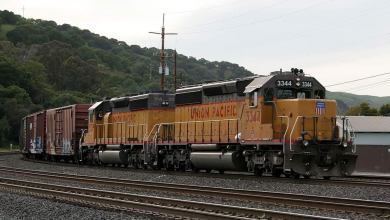
The railroad eyes slight volume growth in 2020 amid plans for longer trains and reduced headcount.
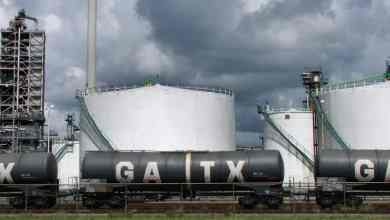
Spare aircraft engine dispositions stave off weakened demand for railcars in North America.
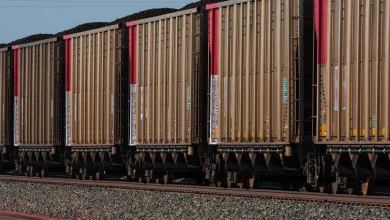
Year-to-date U.S. rail traffic is 7.8% lower compared with the same period in 2019.
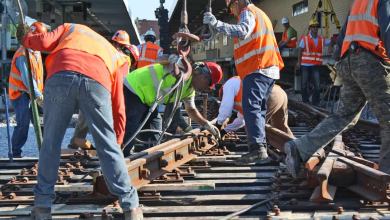
Employment levels at the U.S. operations of the Class I railroads hit their lowest point in years, according to data from the Surface Transportation Board.
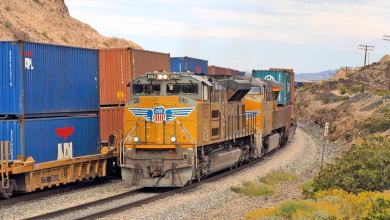
Net income falls in the fourth quarter amid a decline in operating revenue and a decrease in rail volumes.
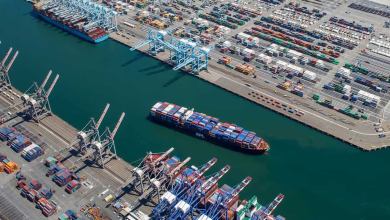
Geopolitical tides, e-commerce and technology are today’s “disruptors” in freight transportation, say panelists at Transportation Research Board convention.

Railroad expert Jim Blaze writes about coal, a key commodity hauled by rail. The amount of coal being hauled by rail is declining. Why? And what does the future hold?
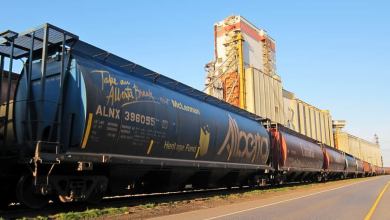
Organizations may lobby Parliament to declare rail service an essential service so that access remains available during events such as labor strikes.
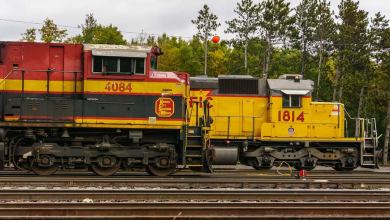
Kansas City Southern can attribute its growth in cross-border traffic to a former president, a Railway Age essay says.
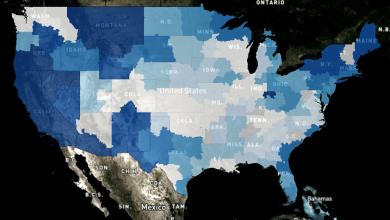
The latest features in SONAR 5.0 make it the most future-focused version to date.
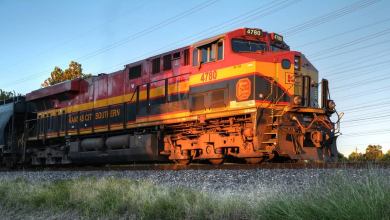
Service improvements will help grow rail volumes and revenue, the company said during its fourth-quarter earnings call Friday.
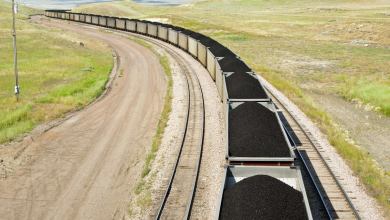
Jim Blaze explores the decline of railroad freight volume and what may happen going forward.
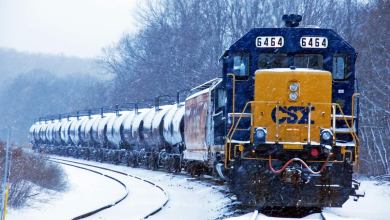
Coal declines and a still sluggish industrial economy could put pressure on revenue this year. Still, CSX sees upside potential for intermodal and merchandise volumes.