What canal toll plan means to shipping, rail and trucking
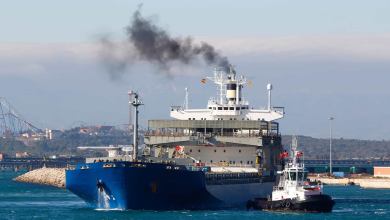
New incentives for container shipping could bring more boxes through the canal to the U.S. East Coast.
Railroads continue to play a significant role in North America’s economic infrastructure. According to the U.S. Department of Transportation Federal Railroad Administration, the U.S. rail freight network covers almost 140,000 route miles and is generally considered the largest, safest, and most cost-efficient freight system in the world. In addition, says the FRA, the almost $80 billion rail freight industry creates more than 167,000 jobs across the country.
In essence, rail freight companies charge businesses to carry cargo across their network of rails. Their rates are overseen by the Surface Transportation Board, a federal agency that regulates financial aspects of surface transportation. Major railroads in North America include Union Pacific Railroad, BNSF Railway, CSX, Norfolk Southern, Canadian Pacific Kansas City and Canadian National Railway.
Keep up with the latest news, trends and reports concerning rail freight transport here!
New incentives for container shipping could bring more boxes through the canal to the U.S. East Coast.
BP imagines a scenario where a plastics ban crushes demand for petchem feedstocks.
Donald Broughton explains the harm that tariffs can do to the economies of the United States, the country(ies) that tariffs are imposed on and the global economy.
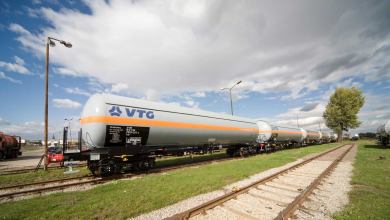
New Fortress Energy wants LNG transport efficiency using tank cars
The Federal Railroad Administration is awarding more than $326 million in grants to help states and localities repair, maintain and build rail infrastructure supporting freight rail and intercity passenger rail.
Flooding impacts, cheap natural gas prices, and trade and economic uncertainty could be factors contributing to a significant slump in weekly U.S. rail volume.
The American Short Line and Regional Railroad Association is urging Congress to pass legislation that would make permanent the tax credit that short lines receive for infrastructure improvements.
Millions of tons of cargo, inducing U.S. grains, remain stuck due to flooding.
Laredo’s historic reign as the top United States trade port was short-lived, as the Port of Los Angeles rebounded from its lowest monthly total in three years, enabling it to once again lay claim to the number 1 ranking among U.S. ports. “In April, imports into the Port of Los Angeles recovered from the worst […]
The transition to e-commerce and anticipated advances in automated trucking are forcing the freight railroads to adapt to supply chains that require railroads to be more responsive and nimble. One way that the railroads are seeking to address this challenge is by hiring executives outside of the railroading community, in the hopes that placing a non-rail executive in a leadership role will help the railroad weather systemic changes within the supply chain.
Railroad market expert Jim Blaze writes about the movement of chemicals by rail and how that sub-set of railroad traffic is profitable and may grow significantly in the near future.
The Surface Transportation Board is considering initiating a more formal review of how it resolves rail rate disputes.
U.S. coal export volumes are down 12.7 percent in the first four months of this year and the outlook looks even worse for 2020.
Market expert Donald Broughton writes about the numerous consequences of a U.S. Mexico trade war and the damage that will be done on both sides of the border.
“It’s just a confusing time for all of us in transportation and anybody in manufacturing or business in general to have a really good sense of why we’re seeing this kind of softness,” said CSX chief executive officer Jim Foote.
Volvo and Mack used trucks are now backed by factory warranties of up to 24 months and 250,000 miles for parts and labor on certain components.
U.S. intermodal volumes fell 5.9 percent in May, while carloads fell 2.1 percent amid economic uneasiness and uncertainties surrounding U.S. trade between Mexico and China.
Market expert Jim Blaze explores what railroads need to do to capture more of the market share of oversize loads, which are essential to the economy and profitable as well.
Trade growth, demography and land use changes in the city of Melbourne, Australia, have made necessary a shift of freight from truck to rail, according to an analysis by Melissa Horne, Victorian Minister for Ports and Freight.
The railway moved 15 million metric tonnes of grain for export through Vancouver in May, breaking the record set in May 2017 by 5 percent, the company said on June 4.