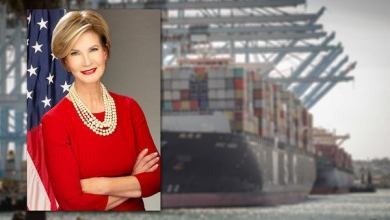
FMC examines COVID-19 impacts on New York/New Jersey ports
The U.S. Federal Maritime Commission enters “phase two” of its fact-finding investigation into COVID-19 impacts on container shipping in the Port of New York and New Jersey.
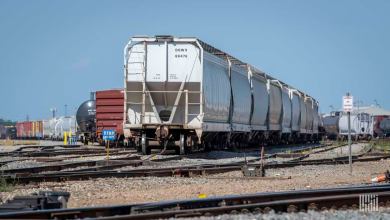
Railroads continue to play a significant role in North America’s economic infrastructure. According to the U.S. Department of Transportation Federal Railroad Administration, the U.S. rail freight network covers almost 140,000 route miles and is generally considered the largest, safest, and most cost-efficient freight system in the world. In addition, says the FRA, the almost $80 billion rail freight industry creates more than 167,000 jobs across the country.
In essence, rail freight companies charge businesses to carry cargo across their network of rails. Their rates are overseen by the Surface Transportation Board, a federal agency that regulates financial aspects of surface transportation. Major railroads in North America include Union Pacific Railroad, BNSF Railway, CSX, Norfolk Southern, Canadian Pacific Kansas City and Canadian National Railway.
Keep up with the latest news, trends and reports concerning rail freight transport here!
The U.S. Federal Maritime Commission enters “phase two” of its fact-finding investigation into COVID-19 impacts on container shipping in the Port of New York and New Jersey.

U.S. rail traffic is still facing double-digit percentage declines amid trade uncertainties and the coronavirus pandemic.
FreightWaves is hosting the 3PL Summit on July 21, a virtual event that will include technology demonstrations, hot debates and visionary speakers from across the 3PL spectrum.
The views expressed here are solely those of the author and do not necessarily represent the views of FreightWaves or its affiliates. That search for modal share growth is still fundamentally the real strategic challenge for the seven Class 1 North American railroads. Profitability remains excellent. Net cash flow? Down a bit during the second quarter […]
A study commissioned by the Coalition Against Bigger Trucks suggests that modifying federal rules to allow for heavier and longer trucks could result in diverting roughly 25% of U.S. rail traffic to trucks.
The Nebraska Public Service Commission is preparing to file a complaint against BNSF, Union Pacific and Nebraska Central over blocked highway-rail grade crossings in Grand Island.
Railcar manufacturer Greenbrier trimmed its output and headcount in its fiscal year third quarter in response to the COVID-19 pandemic.
Matthew Waller will receive the Distinguished Service Award during EDGE 2020 Live!
With the release of the identities of the biggest recipients of money under the Paycheck Protection Program, reviewing all the names of those who got money and figuring out how this will impact the industry’s operations is now the hot topic of discussion in trucking. On this week’s Drilling Deep podcast, host John Kingston sits […]
Weekly U.S. intermodal volumes rise nearly 8% amid the easing of social distancing restrictions that began before the July Fourth holiday weekend. But can intermodal traffic sustain that increase amid pandemic uncertainties?
With no end in sight to the pandemic in North America, BMWED says railroads should enhance worker safety.
The C$230 million it will spend on the three provinces are on top of C$1.3 billion previously announced for five other provinces.
June grain volumes and second-quarter movements were records for both CN and CP.
Infrastructure provisions passed the U.S. House of Representatives, but they may have trouble finding support in Republican-controlled Senate.
About 25% of the total railcar fleet is in storage of one kind or another. Jim Blaze writes about best practices of rail storage.
The Federal Railroad Administration and Volpe are in the middle of conducting a survey on how railroaders gather and share information about occupational safety.
CN lays out 2020 capex plans for Nova Scotia, railroad supply group’s head to depart, and Norfolk Southern makes changes to its demurrage and accessorial charges tariffs.
The changes in leadership come as the railroad continues to deploy precision scheduled railroading.
Consolidated Chassis Management chief executive foresees an increased requirement for chassis to accommodate rising tide of intermodal container moves as the North American economy shakes off COVID-19.
The latest infrastructure bill phases out DB-60 air brake control valves manufactured before January 2006 over concerns about their effectiveness in cold weather.