




Joanna Marsh
Monday, August 7, 2023
BNSF’s Q2 earnings slide 24% on lower freight volumes
Second-quarter freight volumes fell 11% across BNSF’s segments for consumer, agricultural and industrial products and coal.
Railroads continue to play a significant role in North America’s economic infrastructure. According to the U.S. Department of Transportation Federal Railroad Administration, the U.S. rail freight network covers almost 140,000 route miles and is generally considered the largest, safest, and most cost-efficient freight system in the world. In addition, says the FRA, the almost $80 billion rail freight industry creates more than 167,000 jobs across the country.
In essence, rail freight companies charge businesses to carry cargo across their network of rails. Their rates are overseen by the Surface Transportation Board, a federal agency that regulates financial aspects of surface transportation. Major railroads in North America include Union Pacific Railroad, BNSF Railway, CSX, Norfolk Southern, Canadian Pacific Kansas City and Canadian National Railway.
Keep up with the latest news, trends and reports concerning rail freight transport here!
Second-quarter freight volumes fell 11% across BNSF’s segments for consumer, agricultural and industrial products and coal.

CSX’s chief operating officer, Jamie Boychuk, will be leaving the company, while the Rail Customer Coalition wants President Joe Biden to renominate Surface Transportation Board Chairman Marty Oberman and board member Patrick Fuchs to the board.

3i Infrastructure-backed Regional Rail is adding Clinton Terminal Railroad to its assets in North Carolina.

BNSF wants a court to throw out an order from the Surface Transportation Board that BNSF ship more export coal on behalf of Navajo Transitional Energy Co.
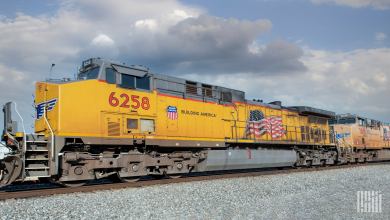
What will Union Pacific look like once incoming CEO Jim Vena assumes the role later this month? That’s the question industry stakeholders have been wondering.
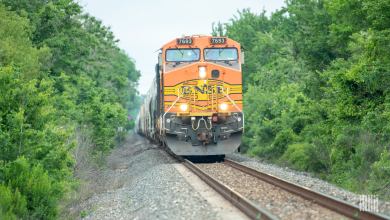
The Brotherhood of Maintenance of Way – Employes Division says BNSF is relying too much on contracted work and isn’t doing enough to grow its ranks of maintenance-of-way employees.

BNSF has reached a sick leave and work-rest agreement with BLET; CSX and SMART-TD have partnered to extend CSX’s conductor trainee program.
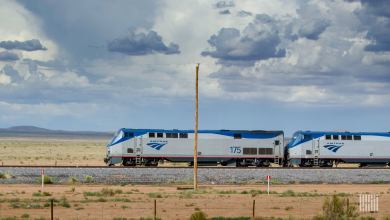
The National Transportation Safety Board says more frequent track inspections could have helped prevent a fatal September 2021 Amtrak derailment that was caused by “poor track conditions.”
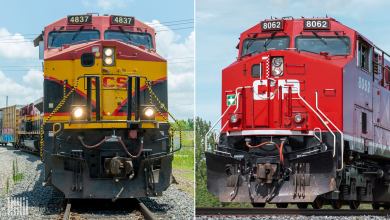
CPKC eyes opportunities for intermodal and for beefed-up business in Mexico to help recoup higher costs and lost revenue in the second quarter.

Hub Group reported $1 billion in revenue and earnings per share $1.44 during the second quarter.
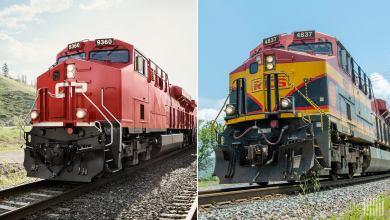
CPKC released second-quarter earnings results as a merged company.
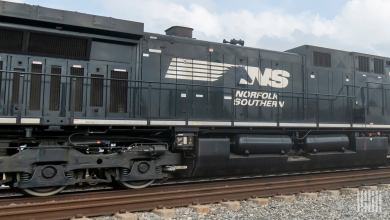
NS is seeking to improve network fluidity after the East Palestine train derailment, cut down on Ohio-related costs and match resources with market demand in the second half of 2023.

Revenue declines and a $416 million expense charge put pressure on Norfolk Southern’s second-quarter 2023 net profits.

New sick leave agreements and other deals will increase Union Pacific’s labor costs. Investors on UP’s second-quarter 2023 earnings call wanted to know by how much.

Consumer demand is putting pressure on intermodal and lumber volumes and that is weighing on how CN views the back half of this year.

Former Union Pacific and CN executive Jim Vena will be UP’s next CEO, while sustainability and strategy EVP Beth Whited has been promoted to president.

The Canadian wildfires and lower volumes for intermodal and crude oil put pressure on Canadian railway CN’s revenue for the second quarter of 2023.

A decline in loaded import volumes pulled the Georgia Ports Authority’s overall 2023 volumes lower.
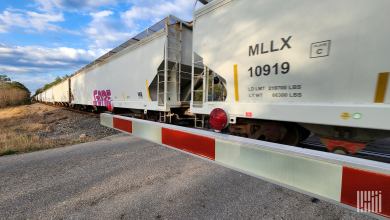
The Federal Railroad Administration wants more data on train lengths so that the agency can better assess what impact, if any, longer trains might have on operations.

Figuring out how to encourage more shippers to switch from truck to rail is not something that can be done overnight, executives said during CSX’s second-quarter 2023 earnings call.