Weekly Market Update – Volumes fall as market flattens
Volume falls this week in the freight markets but rejections are flattening indicating there are still some spots where capacity is an issue.
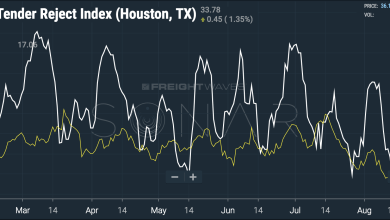

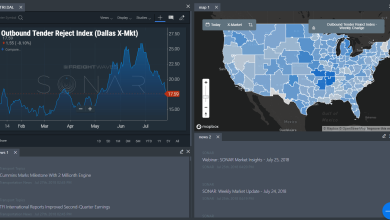
Tender rejection rates for reefer trucks outbound from Houston have oscillated wildly all year. Even compared to other regional markets, shippers and carriers are having a difficult time matching capacity to volume.
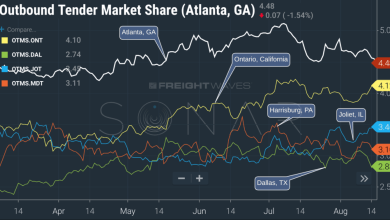
The top five trucking origin points represent 18% of the volume in the freight market, according to a new index added to SONAR this past week
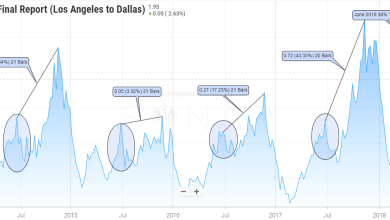
The recent slide in spot rates is typical for this time of year, according to FreightWaves’ CEO, and data indicates another peak before Thanksgiving is possible.
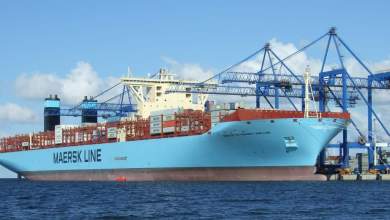
World’s largest shipping company says over-capacity and fuel costs, not trade war, are the main issues.
This week’s freight market continues the same patter toward stability, but volume remains steady as we move towards a more volatile time of year.
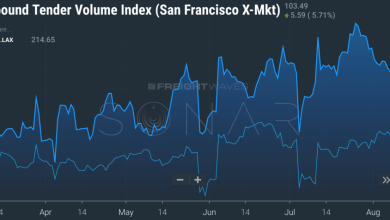
Tesla’s auto production in Fremont and high container volumes out of Oakland are driving demand for trucks in the San Francisco market
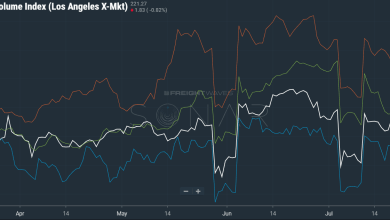
FreightWaves has introduced tender volume indices, giving market participants real-time data on freight volumes by market
Wall Street is in a panic over fears that the truckload sector has peaked. Wall Street is wrong. We break down the reasons using data from SONAR.
This week in freight showed more of the same with continued stabilization, but history tells us this may not last for much longer.
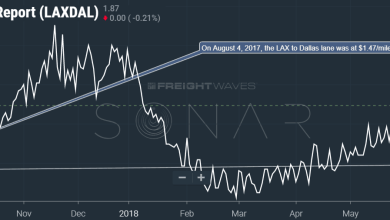
Introducing the latest additions to our SONAR platform: DAT lane pricing / Lane Tender Rejection Rates
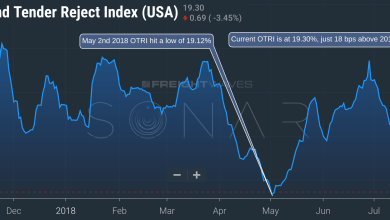
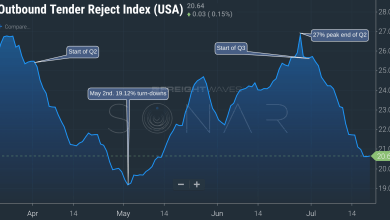
Tender rejections continue to fall towards the May 2nd low, indicating that capacity is loosening in the market. If it reaches the critical level of 19.12%, it could mean that the rest of the summer will be disappointing for carriers that reported a bullish summer outlook.
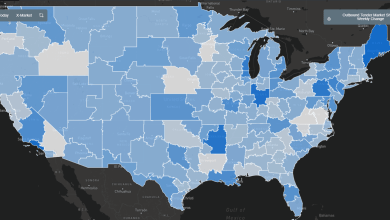
Freight markets continued to cool last week, but have stalled for the moment. Isolated markets showed increased activity around the international borders. What we should be looking at moving forward as we move into August?
July has started off slower than carriers would like, showing normal freight patterns. Softer demand is also impacting utilization in the market.
The freight markets continue to cool, but looking at the bigger picture provides perspective on what to expect moving forward.