




Tony Mulvey
Friday, October 1, 2021
Carriers grip pricing power firmly as Q3 comes to a close
Strong freight volumes signal that carriers are firmly in the driver seat with regards to pricing power.
The FreightWaves Pricing Power Index uses analytics and data from FreightWaves’ SONAR platform to analyze the market and estimate the negotiating power for rates between shippers and carriers based on eight key market indicators.
Weekly updates can be found below.
Strong freight volumes signal that carriers are firmly in the driver seat with regards to pricing power.
Spot rate snap back signals that carriers are firmly in the driver seat with regards to pricing power.
In this sensitive market, small changes to the balance have deep, long lasting impacts.
In this sensitive market, small changes to the balance have deep, long lasting impacts.
The rise in volumes continues to outpace the rise in rejection rates, and spot rates keep climbing.
Beginning in the second quarter, there was a notable shift in the types of loads shippers were tendering. Why would this assist with increasing compliance?
We’re two weeks into the third quarter, a time when seasonal freight movement moderates ahead of the back-to-school season and the eventual peak holiday season. Thus far, the moderation simply hasn’t materialized.
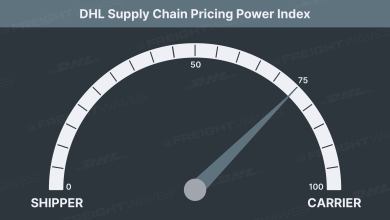
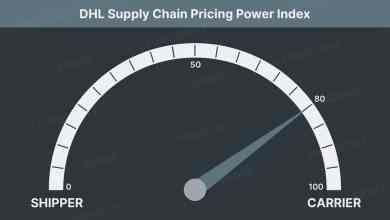
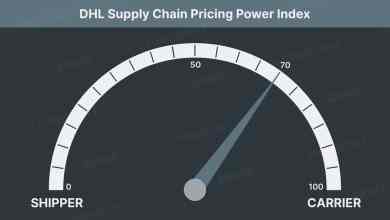
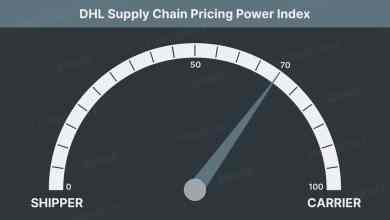
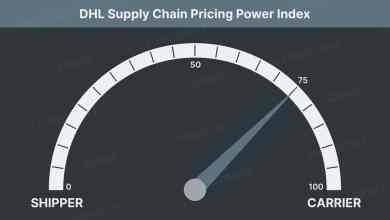
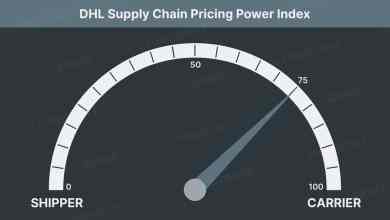
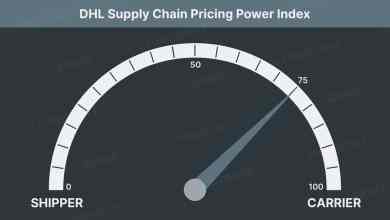
This week’s DHL Supply Chain Pricing Power Index: 75 (Carriers) Last week’s DHL Supply Chain Pricing Power Index: 70 (Carriers) Three-month DHL Supply Chain Pricing Power Index Outlook: 70 (Carriers) The DHL Supply Chain Pricing Power Index uses the analytics and data in FreightWaves SONAR to analyze the market and estimate the negotiating power for […]
Reefer rejection rates tumbled once again over the past week, and the national reefer rejection average is now below 40% for the first time since the second week of September.
Unlike freight demand, the typical things we see play out on the capacity side of the equation prior to a holiday have not (at least to this point).
Freight demand is not going to abate in the next few months, and there will not be any meaningful addition to fleet capacity in the meantime. This is a carriers’ market and will stay such throughout the summer.
are pumping across the country, but it seems routing guides have finally shown signs of improvement. Pair the declining electronic tenders with declining tender rejections, fewer spot volumes, and both contract and spot rates headed lower, the picture of an improving environment can be visualized.
Freight demand is not going to abate in the next few months, and there will not be any meaningful addition to fleet capacity in the meantime.
Consumer spending tapered off this week, but the savings rate is so high, Americans have a war chest unlike in any recent period. And, inventories remain depleted across many segments, so the freight industry won’t feel the direct brunt of any shift back to services anytime soon.
The market takes a breather this week with tenders down 7% week-over-week.
Service-based spending categories like airlines, lodging and restaurants all were positively impacted by the stimulus, but the top 5 biggest growth segments came in goods. With the roaring consumer economy, blossoming industrial recovery, white-hot housing market and historically depleted inventories, there’s very little outside of severe inflation that could derail this trucking market.
The stimulus is providing a huge boost to Americans, who by and large, still remain unable to spend on big-ticket services like concerts, sporting events or amusement parks. The recent stimulus has created the strongest spending gains in furniture, online electronics and clothing.
If you look at the weekly Outbound Tender Volume Index (OTVI) map, you might think freight markets have reversed course and are retreating significantly. But this line of thinking is misguided. Tender volumes are coming down, but off an unnaturally high base. Volumes in most major markets remain above pre-storm levels.
The freight markets have reentered “chaos is business as usual” territory. All the major indices have been eerily calm since the winter storm disruption. Yearly comps are becoming more difficult given the panic buying that shot volumes and rejections up this time last year. Don’t let the weakening comps distract you, this market can’t get much better.
Leverage is firmly in carrier’s favor.