




FreightWaves Staff
Wednesday, May 23, 2018
Demo day session 3: 10 companies building solutions
Demo day session 3 are digital companies providing real solutions in the logistics space.
Demo day session 3 are digital companies providing real solutions in the logistics space.
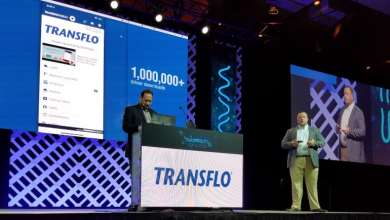
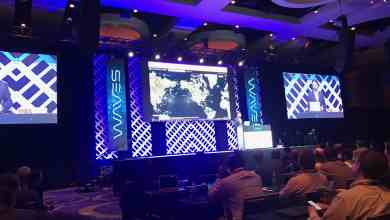
The final session of Demo Day on Tuesday at FreightWaves’ Transparency18 conference did not disappoint, building on the success of the first three sessions and closing out the day, which ended with a BBQ sponsored by Triumph and a performance from the Emerald City band for attendees.
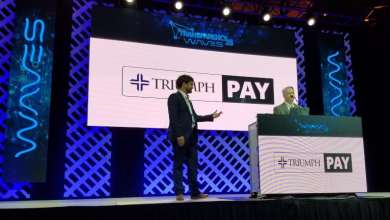
If there was one obvious theme of the second demo period at FreightWaves’ Transparency18 event on Tuesday, it was blockchain. Six of the nine presenters in the session demonstrated solutions that involved blockchain technology.
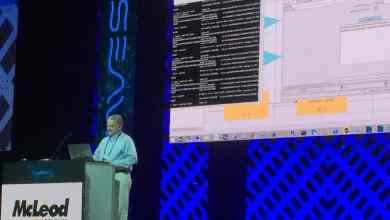
The first round of technology demonstrations at Transparency18 shared a common theme of integrated disparate systems, data formats, and devices. It’s clear that the action in freight tech has shifted to aggregating and analyzing data, not simply generating it.
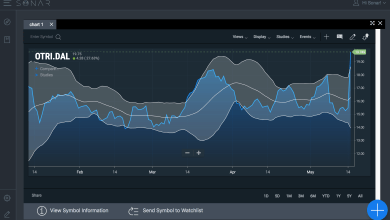
FreightWaves announced the launch of Sonar, its SaaS platform for freight market data. Michael Vincent, EVP of FreightWaves, demonstrated the product at Transparency18 in Atlanta.
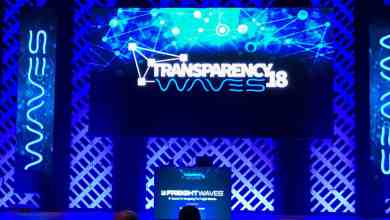
Startups and incumbents at the demos today are building transparency into their products. Historically freight has been very opaque. The change is emerging here and now.
HCL Technologies, a leading global technology company, today announced it has joined the BiTA.

Unemployment rate across the U.S. has fallen below 4% and is creating problems for recruiting and retaining skilled labor in the logistics industry.
Panalpina has joined the Blockchain in Transport Alliance (BiTA), a forum of leading tech and transportation companies for the development and implementation of blockchain standards in the freight industry.
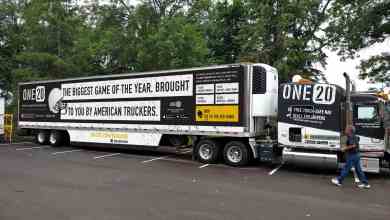
Less than one week after announcing it was selling many of its business entities to TruckThat, One20 has said it will cease supporting its electronic logging device (ELD) as of June 18, 2018.
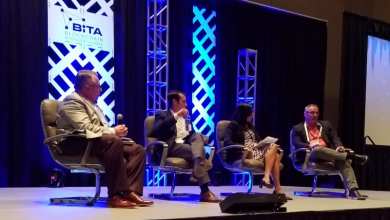
Obtaining data that is both clean and usable remains a challenge for the industry, one that blockchain is promising to solve.

We may not have seen full-scale industrialization with blockchain applications just yet, but we’re not in the early days anymore. Big change is coming.
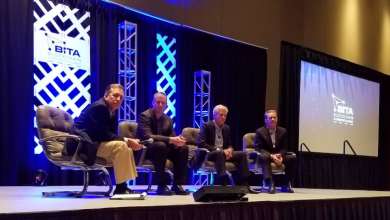
As blockchain technology works its way into the transportation ecosystem, there is remains plenty to learn about its potential, but its success will depend on multiple parties working together.

Smart contracts will lower the labor costs—and thus the price—of receivables factoring, but don’t expect same-day payments because the technology won’t change fundamental capital requirements, says Triumph’s Jordan Graft.

The top managers in the space are acknowledging that cryptos are a thing, but just how much of your net wealth should you put into them?
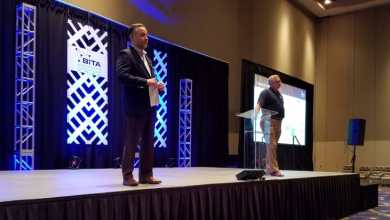
BiTA announced it would be forming Think Tanks to help identify industry pain points that blockchain could help solve. The Alliance also said the first BiTA Standards should be out before the end of 2018.
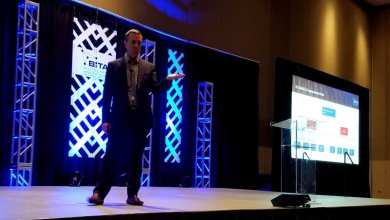
The new Blockchain in Supply Chain Alliance (BiSCA) is designed to meet the needs of supply chain participants looking for education and guidance on the development of blockchain standards.

Intelligent Audit will demonstrate Intellichain, an end-to-end payment verification and processing blockchain for the transportation and logistics industries on Tuesday at Transparency18.
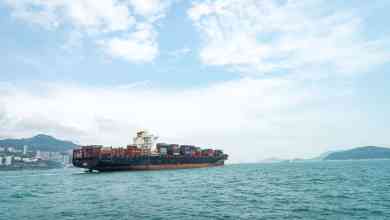
In the wake of the House Appropriations Committee allocating just $250 million for port projects, the AAPA is demanding additional funding from the government, to keep up with the spike in growth of multimodal freight.

Scroll Network announced its affiliation with the Blockchain in Transport Alliance (BiTA).