





John Kingston
Wednesday, May 27, 2020
Updated: A tale of two cities and how they’re welcoming trucking facilities
Love’s faces opposition in Arizona; ODFL likely to get tax breaks in Ohio.
Love’s faces opposition in Arizona; ODFL likely to get tax breaks in Ohio.
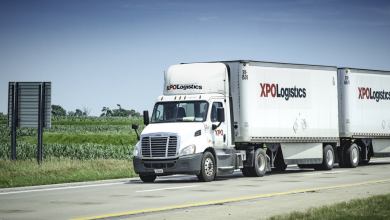
Opponents of longer and heavier trucks say they cause more damage and are less safe, and while exemption have been issued for essential goods, they fear efforts to make those exemptions permanent.

Like many of you, I have been inconvenienced by COVID-19 throughout the last several weeks. But, as you know if you have been reading any of my mostly weekly posts, I have focused on being productive during this different time.

Over the past two weeks I have seen the plans and the strategies that the “best in class” carriers are putting in place for their business during recovery. The key takeaways for me were plenty, but it starts with the phenomenal job these fleets have already done. Their main mission of keeping their workforce healthy, and the supply chain secure, should be a roadmap for all businesses when re-opening. It starts with strong leadership, open communication, and a “do it now” philosophy when deploying critical resources.

Fleet Advantage is offering to cash out a fleet’s excess trucks at book value in exchange for a lease that could lead to a new truck sale later.
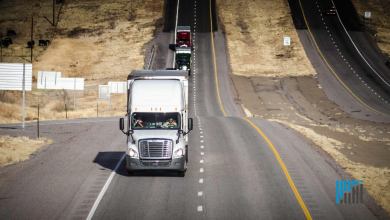
Outbound tender volumes are benefiting greatly from the reopening of the economy and a release of pent-up consumer demand, and the result is the highest level of pricing power for carriers in nearly two months.

Applications are now being accepted for TCA Scholarship Fund, which hands out financial awards to merit-based college students with ties to the trucking industry.

Funds from the Paycheck Protection Program has allowed some fleets to remain in business despite low rates, but as the program ends, some companies may not survive and capacity will tighten as a result and rates will rise.

Recently, a longtime employee of a local car dealership was terminated, allegedly due to a dispute with a co-worker and a subsequent failure to appear at work, showing once again that employers should be careful in handling employment termination decisions which effect those in a protected class.
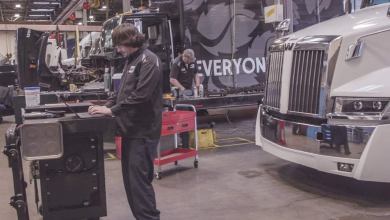
In trucking, where uptime can be the difference between making or losing money, major truck manufacturers are rolling out digital tools to speed parts ordering and improve the repair process.

The COVID-19 pandemic has led to a closure of many truck driver training schools, and that worries some in the industry as the influx of new talent dries up.

Tender volumes are racing to the upside and are tracking positive year-over-year in May, albeit off a depressed 2019 comparison, and that is some positive news for carriers.

TCA and the larger trucking industry have been anxiously waiting to see what the final hours-of-service rule would include, and the initial reaction to it is positive.

Long-awaited changes to the federal hours-of-service (HOS) rules expected to provide additional flexibility to truck drivers and fleets were announced today, receiving some industry praise and plenty of criticism from safety advocates.
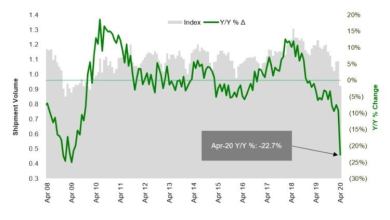
Payment management solutions provider Cass Information Systems’ freight index fell mightily in April as expected, but it may have represented the bottom of the market.

Pause of 14-hour driving window not included among changes.
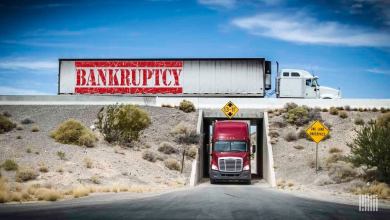
Changes to the Small Business Reorganization Act could make it easier for troubled trucking companies to seek bankruptcy protection and emerge better positioned for the future.

State, Teamsters have appealed to higher court over exempting trucking from independent contractor restrictions

The current focus on the rate war distracts from the real issue at hand: how to build a profitable trucking business and control your own future.

Recommendations include electronic invoicing, advance appointments, emergency sick leave.