




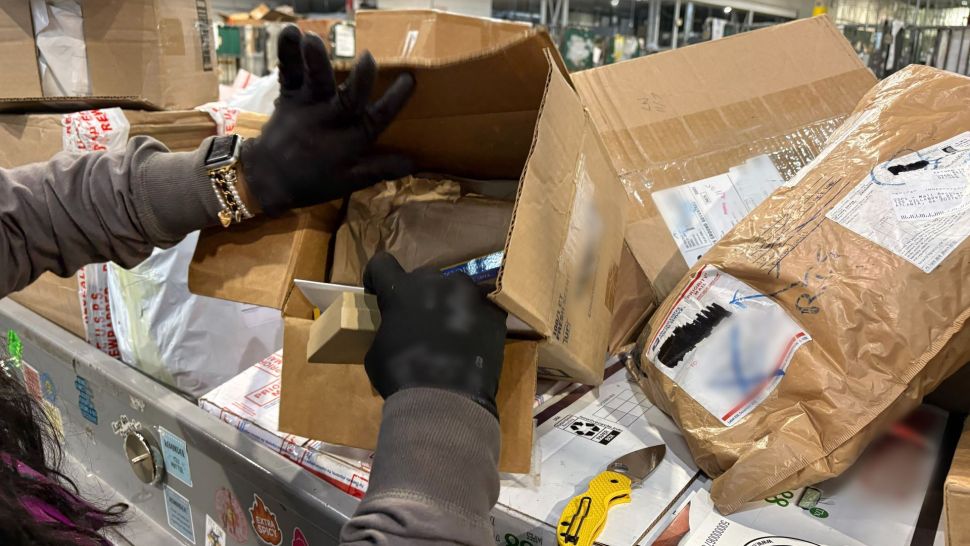
The U.S. Postal Service lost $163 million in revenue over a 12-month period because it was unable to track a surge in undeliverable packages from e-commerce shippers that treat the carrier as a free disposal service, according to an inspector general’s report published Thursday.
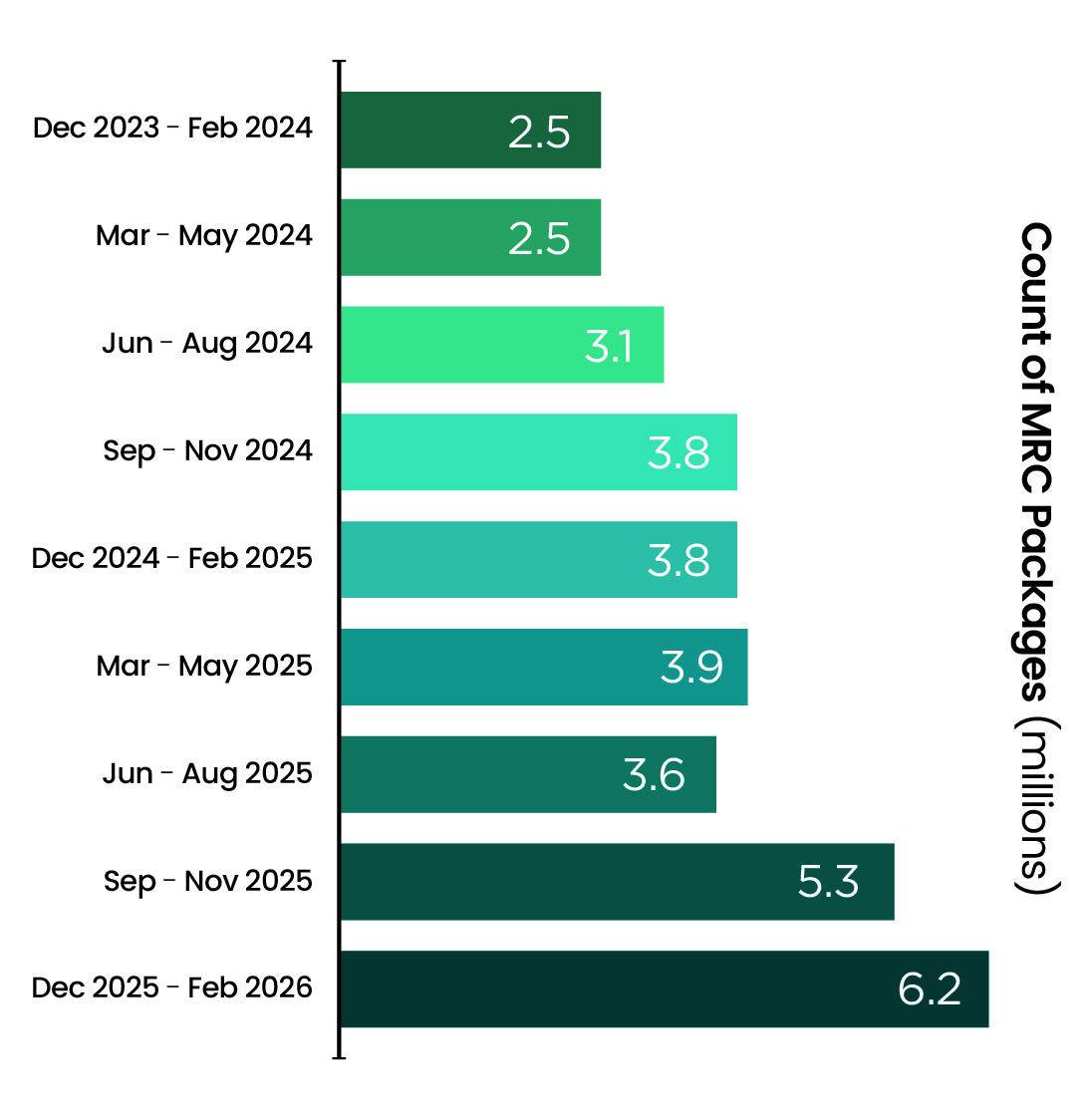
The number of packages that ended up at the Postal Service’s “lost & found” unit because they couldn’t be delivered or returned to sender increased 45% during the 12-month period ending in February, driven in large part by fulfillment centers refusing the packages, the U.S. Postal Service’s watchdog agency said in the audit.
By refusing undeliverable return-to-sender items, which typically come with postage due, e-commerce companies shifted the cost of disposal to the Postal Service. The Postal Service could increase revenue by almost $20 million over the next 13 months if it collected postage due from direct shippers and began assessing a refusal fee.
The Mail Recovery Center received four times more “dead mail” than it reported over three years and only returned less than 1% of missing packages to customers, compared to management claims it returned 39%, because of flawed methods for measuring volumes and the return rate, inspectors also found.
In fiscal year 2025, customers submitted more than 5 million complaints about missing packages. Clerks at the Mail Recovery Center attempt to match items to packages reported as missing and logged in a database. If the contents are worth more than $25 or meet several other factors, packages will be held for at least 30 days. But, the vast majority of packages are sold in lots at public auctions, discarded, recycled, or donated.
The number of packages sent to the MRC by post offices reached an estimated 19 million in the 12 months ending in February, 75% of which came from commercial shippers. Return-to-sender items that could not be delivered because the return address was invalid or the sender refused the package accounted for 62% of the incoming volume, according to the report.
Many of the return-to-sender packages were Parcel Select, a highly discounted program in which shippers presort packages and drop them close to the delivery point for the Postal Service to carry the last mile. Parcel Select doesn’t include return service, so returned packages come with postage due billed at the USPS Ground Advantage price. The fee must be paid before the addressee, typically a fulfillment center, can receive the package.
Return postage costs at least $12.63 per package and processing returns can cost the fulfillment center 20% to 65% of an item’s value. This gives fulfillment centers a strong incentive to reject returns and avoid both postage and processing costs, the report noted.
Management should identify alternatives to collect postage due for Parcel Select and charge for disposal service. The problems occurred because the Postal Service did not track sender-refused packages or how much shippers relied upon the Mail Recovery Center for disposal. Adding a “sender refused” scan option for parcels sent to the MRC would help officials understand the extent of the situation and the need to prevent revenue loss, the report said.
If the Postal Service were to automatically collect return postage from the postal consolidator working for the fulfillment center, it would ensure the Postal Service is compensated for the return-to-sender leg of the package’s journey. Fulfillment centers may also be more likely to accept the return, given that the packages would be delivered normally along with the rest of the fulfillment center’s daily mail. The inspector general recommended automating the postage due collection process in a 2025 audit, and the Postal Service is still working to implement that recommendation.
Volume mixup
The Mail Recovery Center’s undercounted total inbound packages because it collects the bulk weight and estimates total packages based on “typical package weight” rather than scanning individual pieces. Instead of sampling package-only containers, it mixed in bundles of non-package mailpieces and loose items and counted them as single heavy packages. Approximately 27 million packages were omitted from the facility’s operations records this way.
And the center overstated the portion of packages returned to customers because it used a different baseline — packages eligible to be returned — that excluded 98% of packages from its calculation. Additionally, the Excel spreadsheet the center used to track internal metrics had a long-standing formula error that double-counted some of the packages that were returned to customers, inflating the return rate. Developed in 2016, the spreadsheet error went undetected until the inspector general’s audit.
Postal officials said they would tweak the way inbound package volume is measured by April 30, 2027, but disagreed about how to calculate the rate of return, saying to include all packages in the calculation would skew results. A new measurement system for evaluating the Mail Recovery Center’s overall performance is scheduled to be implemented by Nov. 30, 2028.
Another reason most packages never get returned to customers is that post offices often don’t scan and label packages for routing to the Mail Recovery Center, and don’t stamp MRC packages as “dead mail” so they aren’t sent back the regular mailstream.
Finally, the facility that stages and dispatches dead mail trailers directly to the MRC did not implement a first-in-first-out system, per policy. The supervisor mistakenly prioritized the trailers that he thought incurred the highest daily rental fees, according to the report.
Auditors said they could not determine which of the 22 trailers in the yard had been there the longest. They could only identify how long four of the trailers had been there, including two that had been there 30 days. By not implementing its FIFO policy, the dispatching facility delayed some packages from arriving at the MRC in a timely manner, preventing the MRC from attempting package returns to the customer at the earliest opportunity. Management has since implemented the FIFO policy at the staging site, which should prevent this issue in the future, the inspector general’s office said.
Click here for more FreightWaves/American Shipper stories by Eric Kulisch.
Write to Eric Kulisch at ekulisch@freightwaves.com.
RELATED STORIES:
Dual labor shocks in 2028? UPS, West Coast port bargaining to overlap
Amazon rolls out safety tech, pay bump for delivery drivers
Drivers at DHL Express delivery vendors in Dallas join Teamsters union
Brokerage Compliance Symposium
The day before F3. Every compliance issue you face - fraud exposure, carrier liability, FMCSA rules, cargo theft, insurance gaps - navigated by attorneys and operators defining best practices in a changing industry.
F3 Awards Dinner
The night before F3. FreightTech100 companies honored. FreightTech 25 and Shipper of Choice winners revealed live. Cocktail reception into dinner and live music - 300 industry leaders in one purpose-built room.
F3: Future of Freight Festival
Industry-defining keynotes, rapid-fire technology demos, and industry leaders networking in experiences across Chattanooga - plus the inaugural F3 Awards Dinner featuring the FreightTech and Shipper of Choice reveals.
The day before F3. Every compliance issue you face - fraud exposure, carrier liability, FMCSA rules, cargo theft, insurance gaps - navigated by attorneys and operators defining best practices in a changing industry.
The Signal at Chattanooga Choo Choo • Chattanooga, TN Register NowThe night before F3. FreightTech100 companies honored. FreightTech 25 and Shipper of Choice winners revealed live. Cocktail reception into dinner and live music - 300 industry leaders in one purpose-built room.
The Signal at Chattanooga Choo Choo • Chattanooga, TN Register NowIndustry-defining keynotes, rapid-fire technology demos, and industry leaders networking in experiences across Chattanooga - plus the inaugural F3 Awards Dinner featuring the FreightTech and Shipper of Choice reveals.
The Signal at Chattanooga Choo Choo • Chattanooga, TN Register Now