
This article is contributed content. It does not reflect the views or opinions of FreightWaves or any of its subsidiaries.
In April 2024, federal prosecutors in the Southern District of New York took down what they called a “beer theft enterprise.” A crew slipped into railyards across four states, loading thousands of cases of Corona and Modelo into U-Haul box trucks for resale in the Bronx. Ten months later in Arizona, thieves stopped a moving freight train by cutting its air hoses, then hauled off nearly 2,000 pairs of unreleased Nike sneakers valued at $440,000. Their getaway vehicles? Another U-Haul box truck, plus a van.
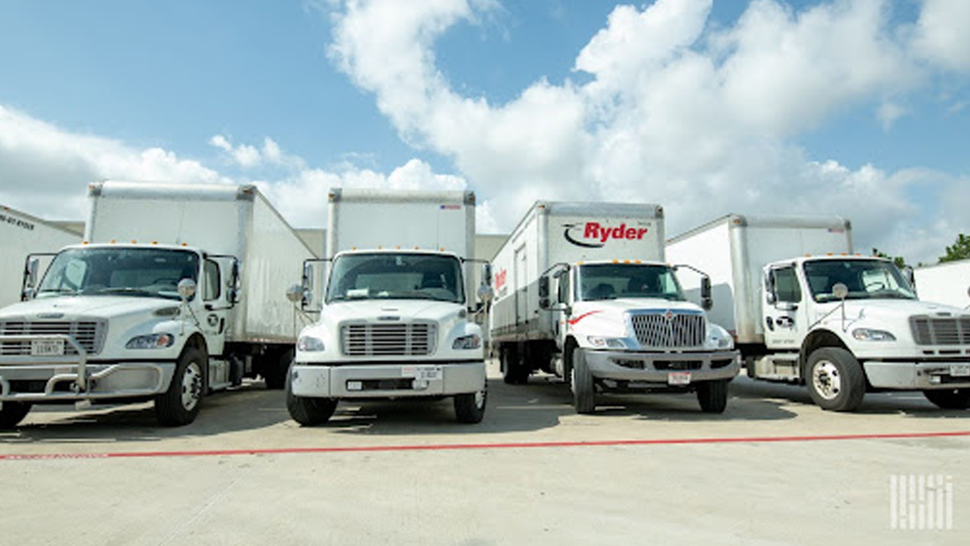
These headlines sound cinematic, but they highlight an uncomfortable truth: the box truck has become one of the most effective tools for organized freight theft. Cheap to rent, easy to disguise, and rarely questioned, these vehicles slip through security systems designed for 53-foot trailers.
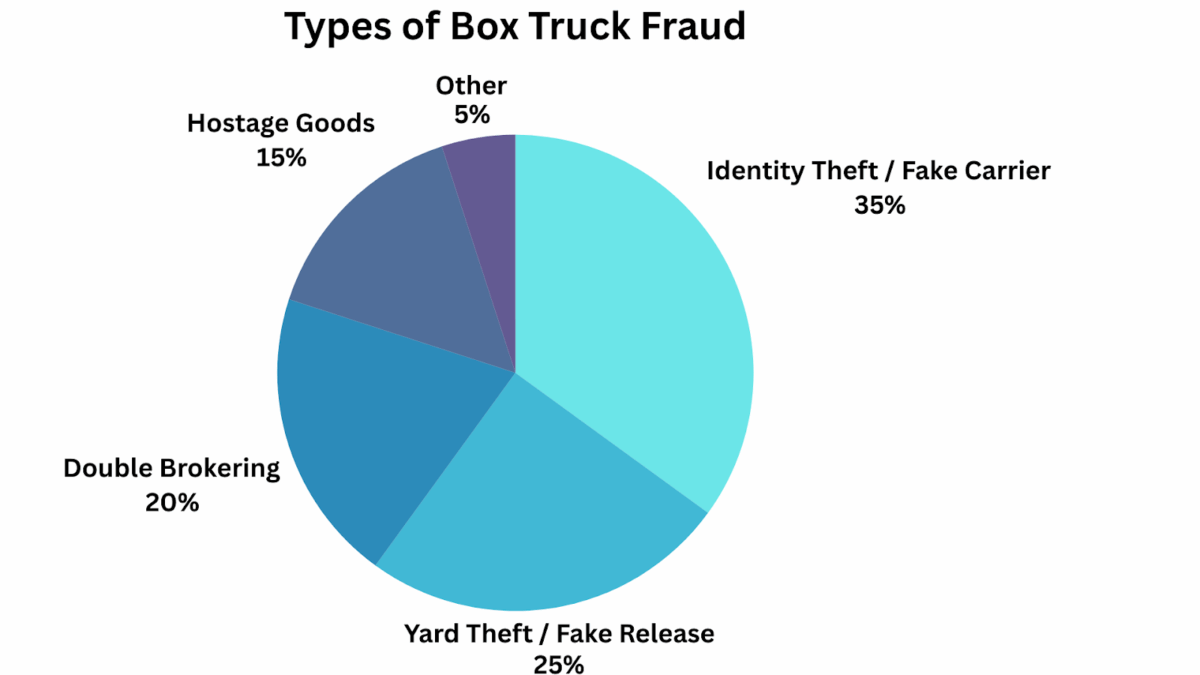
(Source: Freight Fraud Task Force Team)
Why Box Trucks Are the Perfect Blind Spot
Box trucks are cheap to rent, available on demand, and require no commercial driver’s license. They blend in everywhere from strip mall parking lots to warehouse docks. Most gate security and facility processes are built around the 53-foot trailer threat profile, so a smaller truck, especially one with a well-worn rental logo, often rolls through with minimal or no verification. The result: thieves can move fast, keep a low profile, and vanish into normal traffic before anyone realizes the load is missing.
Cases That Prove the Point
Arizona, February 2025: a freight train loaded with unreleased Nike sneakers was forced into an emergency stop after thieves cut the air hoses. In under twenty minutes, 2,000 pairs of shoes, worth $440,000, were ripped out of that train and shoved into a U-Haul and a van. A verified pickup system would have slammed the brakes on this before a single box hit the pavement.
By May 2025, Amazon Relay got hit by one of the most outrageous scams yet: a single operator fabricated 23 trucking identities and billed out more than 1,000 phantom loads. The payout was over $3 million. A carrier PIN system would have flagged every single fake and shut it down instantly.
Consumers are targets too. In December 2023, phony moving companies spread across New York, New Jersey, and Pennsylvania. They baited people with cheap rates, loaded straight trucks with personal belongings, and then jacked up the price once everything was in their possession. Families were extorted and damages topped $3 million. A verified code release would have slammed that door shut.
Even the grocery aisle is under attack. In April 2025, a fake broker stole a carrier’s identity to grab 280,000 eggs worth $100,000. The load was supposed to go from Maryland to Florida. Instead the thieves demanded ransom. With identity verification, that freight never would have left the dock.
This is not an isolated problem: CargoNet logged nearly 3,800 cargo thefts in 2024. That is a 26 percent jump in a single year. Identity-based theft has exploded from 8 percent of cases in 2020 to nearly one third of all thefts in 2024. The pattern is undeniable.
And it is also global. Coffee has been hammered from Europe to the United States. In Italy, $300,000 worth of green coffee beans vanished with fake paperwork. In the U.S., rented box trucks rolled away with stolen coffee, triggering real ripple effects in wholesale pricing. Arabica futures spiked and roasted coffee prices climbed more than 15 percent year-over-year – all because access was weak and verification was ignored.
The lesson is brutal. If criminals can manipulate identity and access, they will steal anything. Beer. Shoes. Eggs. Your family’s entire home. Everyday commodities turn into easy cash. The only real defense is to lock freight behind verified identity and enforce it everywhere.
The Technology Gap
Here is the part no one likes to admit. Our industry’s weakest link is not just the thief with bolt cutters. It is the fact that many brokers, shippers, and carriers are operating with tools that belong in another decade.
Too many companies still send contracts and load confirmations through Gmail or Yahoo. Others run their entire operations out of Excel, without a secure TMS. Some cannot even configure their own company email domain, let alone deploy two-factor authentication. It is not just a bad look, it is an open invitation to fraudsters who thrive on low barriers.
Meanwhile, modern tools like McLeod, Project44, or TriumphPay offer identity safeguards that are widely underused. Instead of implementing secure pickup codes, many facilities still rely on printed bills of lading that can be faked in under five minutes with a copy machine. Criminals know this. They plan for it. And they exploit it daily.
The gap is not just about money. It is about mindset. Adopting secure communication platforms, verified dispatch systems, and strong ID verification should be as basic as locking your front door. Yet we continue to see organizations treat it as optional. That hesitation is costing the industry billions.
Why You Don’t Hear About It More
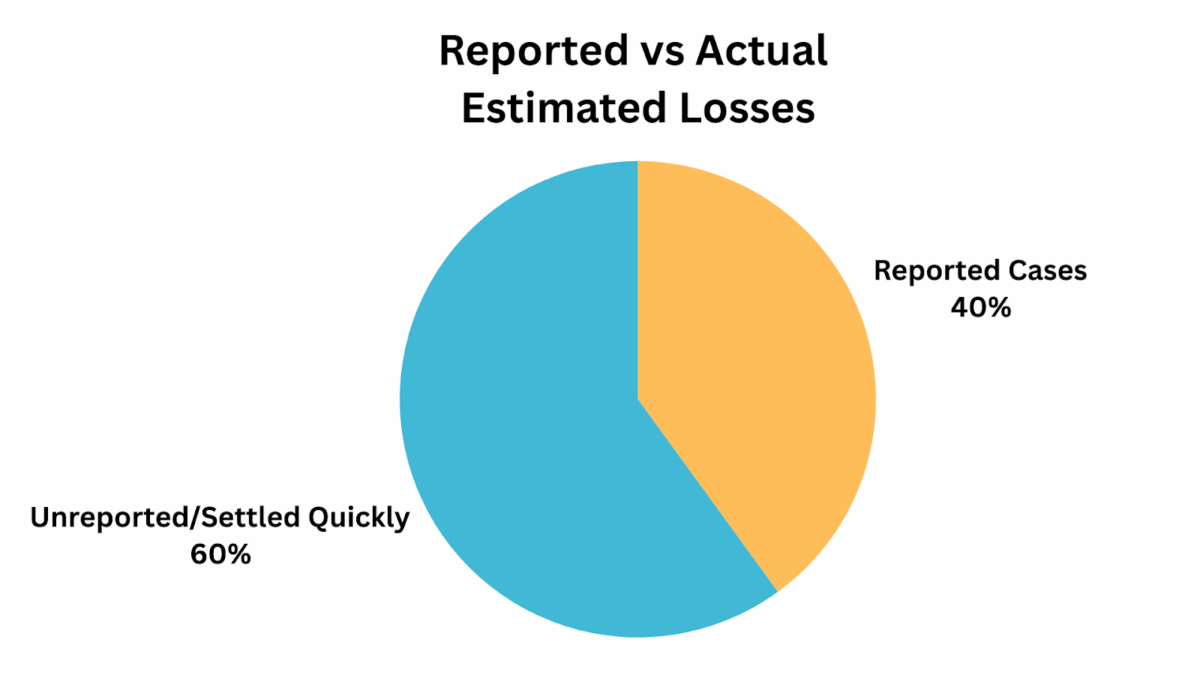
(Source: Freight Fraud Task Force Team)
The CNBC investigation on organized cargo theft (May 2025) made one thing clear: the stories that make headlines are just a sliver of what is actually happening. Companies would rather quietly patch over a loss than admit it happened; public reports raise customer doubts, and nobody wants their name tied to failure. Even the way cases are categorized helps keep them hidden. A theft involving a box truck often gets lumped under the broad label of “cargo theft,” stripping away the detail that shows how common the pattern really is. Many claims are closed quickly once insurance pays out, filed away by adjusters without ever surfacing in the industry’s collective memory. And for shippers or brokers, there is always the sales problem: admitting that a thief slipped past your processes is not exactly a pitch you want to put in front of customers.
Organized crews have learned to exploit this silence. They know that even major thefts can vanish into spreadsheets and claims paperwork, never becoming public lessons that might help others catch on. Every time a loss is buried, it makes the next box truck heist that much easier.
The Ripple Effect on Costs
Freight theft does not end with a headline or a single stolen truck. It drives up costs for everyone. After the 2024 beer theft cases, distributors reported rising insurance premiums and tighter controls that translated into higher costs per case. With the Nike train theft, analysts noted that limited edition sneaker resale values surged by nearly 40 percent because legitimate supply was disrupted. Coffee prices saw spikes of more than 15 percent year-over-year in part due to theft, layered on top of climate and supply chain issues. Egg theft may seem small by comparison, but even that created localized shortages and drove wholesale prices up by 5 to 8 percent in affected markets.
When theft becomes systemic, it is the consumer who ultimately pays. Whether it is a family in New Jersey buying groceries, a college student in Arizona trying to get a pair of sneakers, or a coffee shop in Chicago paying higher wholesale costs, the fraud is already reaching into everyday wallets.
What Solutions Work
The answer is not complicated, but it does require courage and commitment. Real change in how we prevent fraud starts with tightening the basics. PIN codes tied directly to verified carriers and drivers are one of the simplest but most effective safeguards available. By linking identity and authorization at the driver level, companies can eliminate one of the easiest entry points for fraudsters: impersonation. It’s a straightforward tool, but one that requires buy-in and consistent enforcement across the supply chain.
In addition to PIN codes, multi-factor authentication should become a non-negotiable standard for both dispatch operations and facility entry. Passwords alone no longer provide meaningful protection, and the logistics sector cannot afford to lag behind other industries in adopting stronger digital security practices. Whether it’s text-based verification, app-based approvals, or biometric authentication, adding another layer of verification closes off many of the vulnerabilities criminals currently exploit.
Equally important is the way brokers are vetted. Fraud thrives in environments where trust is assumed rather than verified. Platforms such as Carrier411, FreightValidate, and Carrier Assure exist precisely to address this gap, yet too many businesses still treat them as optional. Stronger vetting, applied consistently, gives shippers and brokers the confidence that the carrier or partner they’re working with is legitimate.
Another simple but often overlooked fix is phasing out consumer email domains for business operations. Free email accounts like Gmail, Yahoo, and Outlook are convenient, but they’re also easily spoofed or abused by bad actors. When a business relies on consumer domains, it sends a signal – whether intentional or not – that security is not a priority. Shifting to domain-based business email is not only more secure but also projects professionalism and credibility to customers and partners.
Most importantly, we must shift as an industry to place greater value on accuracy than on expediency. Speed has long been treated as the lifeblood of logistics, but speed without accuracy is an invitation to fraud. Technology can flag anomalies, but it cannot replace sound judgment. A pickup code, an identity verification tool, or a tracking system is only as strong as the person interpreting its results. If the operator is not trained to recognize warning signs, the tool becomes a checkbox instead of a safeguard. Accuracy demands discipline, training, and a willingness to slow down when something feels wrong. Until the industry shifts its culture from “move it fast” to “move it right,” thieves will continue to exploit the cracks we leave wide open.
When combined, these measures are not revolutionary; they’re practical, proven steps that simply require the industry to take them seriously. Courage comes in making the decision to move away from “business as usual.” Commitment comes in enforcing these standards consistently, even when it feels inconvenient. If companies are willing to do both, we can significantly reduce the opportunities fraudsters have to exploit the system.
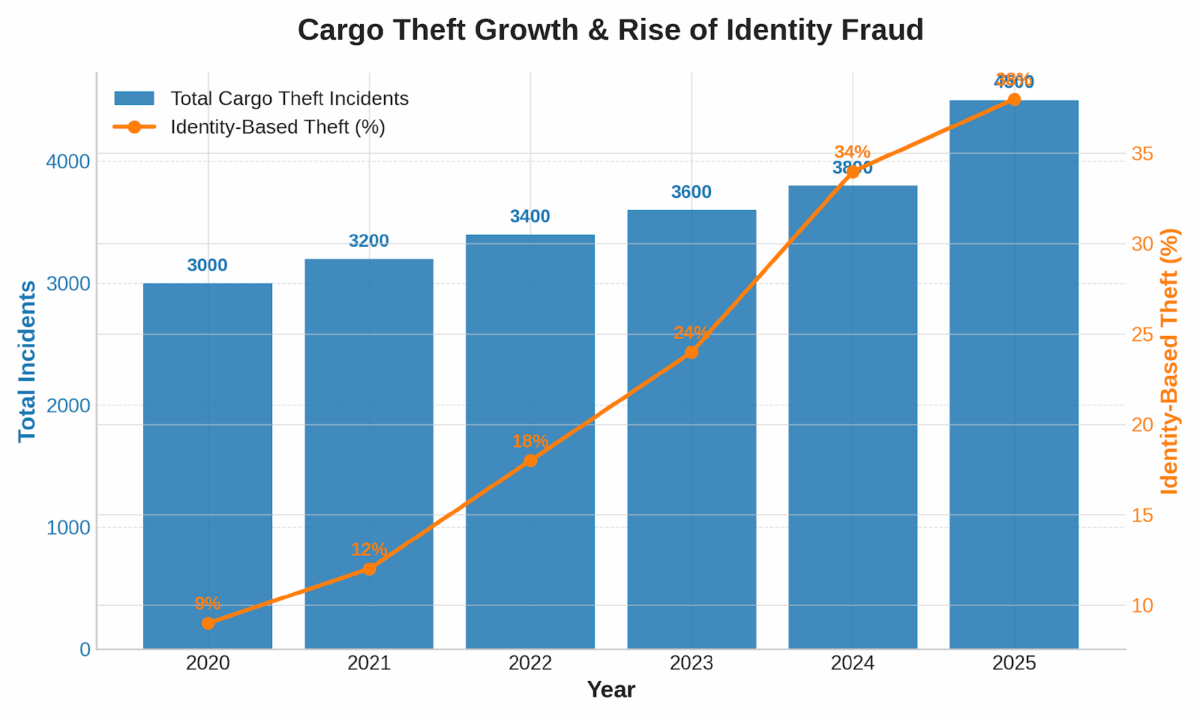
(Source: Freight Fraud Task Force Team)
Last Stop
Box trucks themselves are not the problem. They are an everyday workhorse for deliveries, moving services, and legitimate freight. The problem is that thieves have figured out how to weaponize their invisibility. Our industry cannot afford to let them keep exploiting the gaps.
If we want to stop reading headlines about beer heists, egg diversions, and disappearing sneakers, we have to close the blind spots. That means modernizing the way we handle identity, demanding more from our partners, and refusing to treat fraud as inevitable.
The humble box truck should not be a thief’s golden ticket. With the right safeguards, it will go back to being what it was always meant to be: a tool that keeps freight moving.
Brokerage Compliance Symposium
The day before F3. Every compliance issue you face - fraud exposure, carrier liability, FMCSA rules, cargo theft, insurance gaps - navigated by attorneys and operators defining best practices in a changing industry.
F3 Awards Dinner
The night before F3. FreightTech100 companies honored. FreightTech 25 and Shipper of Choice winners revealed live. Cocktail reception into dinner and live music - 300 industry leaders in one purpose-built room.
F3: Future of Freight Festival
Industry-defining keynotes, rapid-fire technology demos, and industry leaders networking in experiences across Chattanooga - plus the inaugural F3 Awards Dinner featuring the FreightTech and Shipper of Choice reveals.
The day before F3. Every compliance issue you face - fraud exposure, carrier liability, FMCSA rules, cargo theft, insurance gaps - navigated by attorneys and operators defining best practices in a changing industry.
The Signal at Chattanooga Choo Choo • Chattanooga, TN Register NowThe night before F3. FreightTech100 companies honored. FreightTech 25 and Shipper of Choice winners revealed live. Cocktail reception into dinner and live music - 300 industry leaders in one purpose-built room.
The Signal at Chattanooga Choo Choo • Chattanooga, TN Register NowIndustry-defining keynotes, rapid-fire technology demos, and industry leaders networking in experiences across Chattanooga - plus the inaugural F3 Awards Dinner featuring the FreightTech and Shipper of Choice reveals.
The Signal at Chattanooga Choo Choo • Chattanooga, TN Register Now