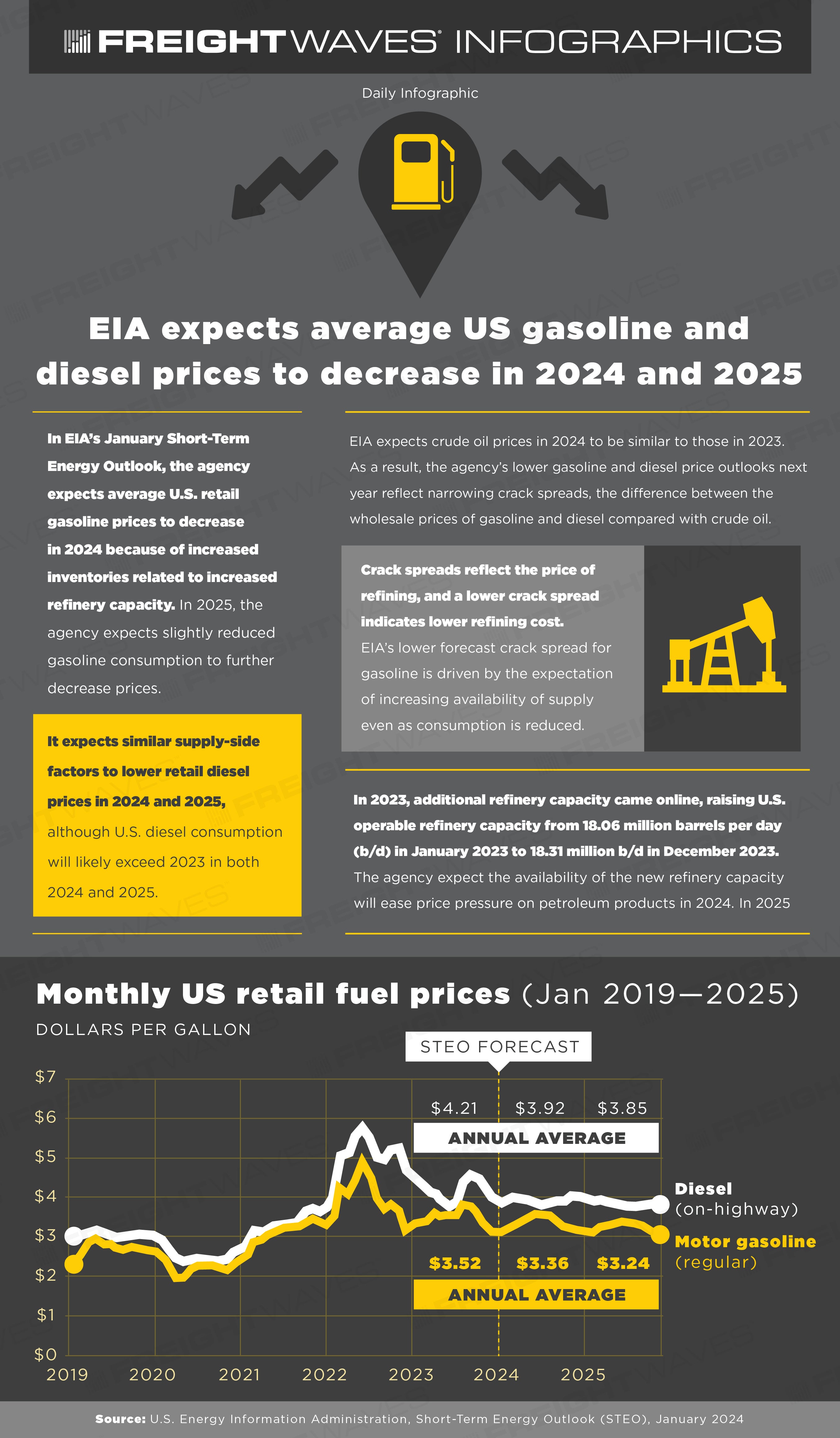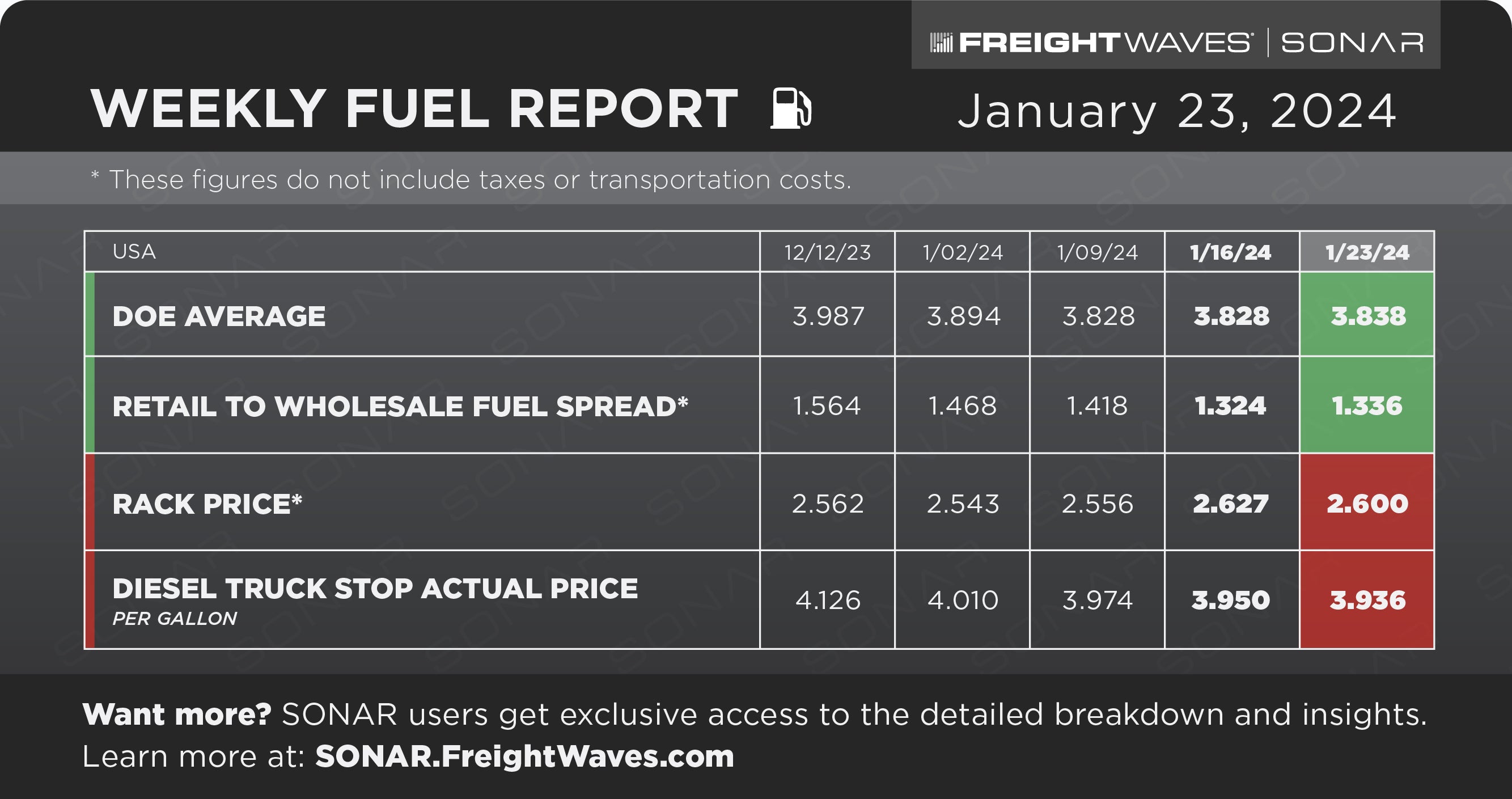
Weekly Fuel Report: January 23, 2024

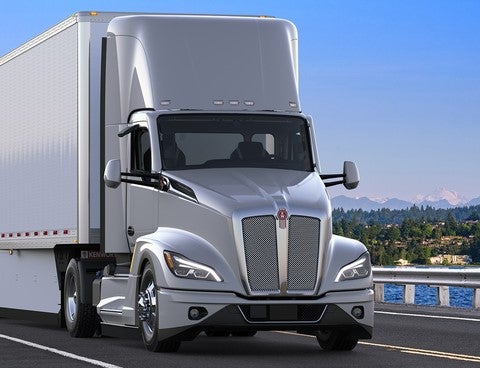
Truck maker Paccar Inc. reported record fourth-quarter revenue and net profits, racing past analyst estimates and posting its 85th consecutive year of reporting net profit.
The Bellevue, Washington-based parent of Kenworth, Peterbilt and DAF Trucks reported record consolidated revenues of $9.08 billion and record net income of $1.42 billion, or $2.70 per fully diluted share, in the October-December period.
A consensus of analysts by investor site Seeking Alpha predicted $2.21 per share on revenues of $8.3 billion. Over the last two years, Paccar has beaten EPS estimates 88% of the time and has beaten revenue estimates 100% of the time.
“Paccar is manufacturing the most impressive new truck range in its history,” CEO Preston Feight said in a news release. “These trucks deliver premium quality, excellent fuel efficiency and low operating costs. Paccar is investing in the next generation of trucks that feature clean diesel, battery-electric, hydrogen combustion or fuel cell powertrains.”
Strong sales and profits in its parts business again helped results. Paccar Parts generated $1.61 billion in revenue and pretax profit of $432.4 million. Financial services pretax income of $113 million trailed the year-ago pretax profit of $151.3 million. Fourth quarter revenues of $484.8 million eclipsed the $394.8 million reported in Q4 2022.
For the full year, Paccar reported a host of records:
The company earned $4.60 billion, or $8.76, in 2023, including a $446.4 million after-tax, non-recurring charge related to settling a 2016 price-fixing case in Europe. That compared to $3.01 billion, or $5.75, in 2022. Excluding the charge, Paccar’s adjusted net income was $5.05 billion, or $9.61, in 2023.
Paccar invested $1.11 billion in capital projects and research and development during the year. That included participating in a $2 billion to $3 billion battery-making joint venture with Cummins Inc. and rival Daimler Truck. Working with China-based EV Energy, a new plant in northern Mississippi will produce 21 gigawatt hours of batteries, creating 2,000 manufacturing jobs.
Trucking giants choose Mississippi for $2B battery joint venture
Paccar posts another blowout quarter
Paccar takes $600M charge related to European price fixing
Click for more FreightWaves articles by Alan Adler.
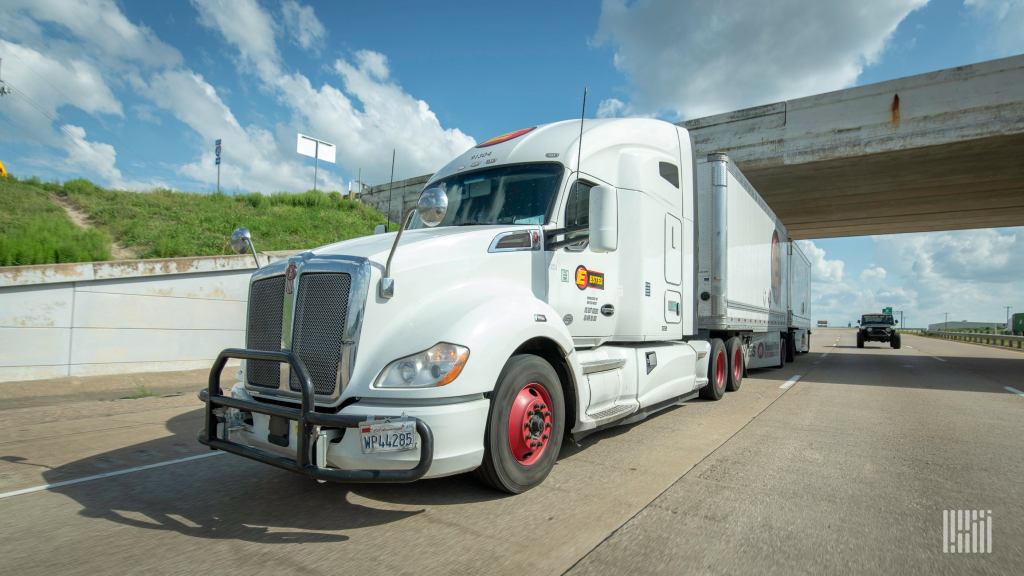
Optym, a provider of solutions for enhancing efficiency, on Tuesday announced it has secured a strategic investment from Venture 53, an industry fund. This investment will support Optym in further developing optimization tools to address the intricate challenges faced across various modes of transportation. Terms of the investment were not disclosed.
“When choosing a capital partner, it’s important to work with a team who can provide strategic advice with a deep understanding of your industry,” said Jacob Eischen, marketing manager for Optym.
“Venture 53 supports integrated technology solutions that address age-old challenges in supply chain efficiency, which aligns with Optym’s vision to optimize transportation. The investment will also provide us with strong strategic guidance as we begin to penetrate the full truckload market, following Optym’s impressive history and experience in solving the most complex challenges in other modes of transportation.”
The Optym team looks forward to working more closely with Venture 53 founder and general partner Pat Martin, who has also spent 20 years at less-than-truckload provider Estes Express Lines and currently leads as their vice president of corporate sales and strategic planning.
“Estes Express Lines has been one of our longest partners and an early adopter of our solutions and has seen the benefits of optimization on planning. Now, they’ve partnered with us to expand the solutions we offer LTL carriers with dynamic linehaul and cross-docking tools,” Eischen explained to FreightWaves.
According to Optym, the company has generated over $1 billion in savings for its clients, including 5 of the top 10 LTL carriers and several clients across modes including railroad, air freight, and full-truckload.
“Across users, we’ve seen our HaulPlan solution create an 80% decrease in planning time, a 5% reduction in empties, and a 2% reduction in linehaul miles. Additionally, our DriverPlan tool created a 75% time saved in scheduling, 5% reduction in empty miles, and 3% reduction in total scheduled miles,” Eischen said.
The company looks forward to continuing to grow its offering while working hand in hand with its transportation-focused venture partner.
“[Optym is] the clear leader in optimization in the transportation industry. Every transportation company will see immediate ROI after the implementation of their software. This is one of the smartest companies I have ever seen,” Martin said in the release.
3 things the logistics industry can learn from Brad Jacobs’ new book
Echo partners with Navix to enhance freight bill auditing
FreightTech experts: 2024 is the year for laggards to catch up
It may be more than a week until the end of January, but various market signals are starting to shout that cold weather’s potential impact on lifting diesel prices has run its course.
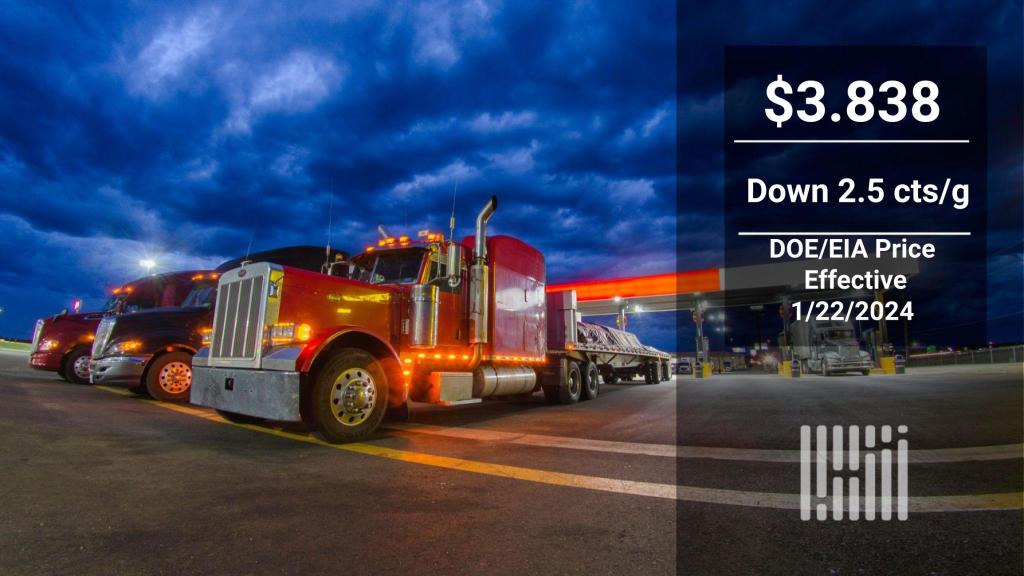
Against that bearish backdrop, the benchmark price used for most fuel surcharges declined Monday for the 14th time in 18 weeks. The Department of Energy/Energy Information Administration’s average weekly retail diesel price declined 2.5 cents a gallon to $3.838 a gallon. The price posted late Monday claws back all but one cent of the 3.5 cents a gallon increase that was posted a week earlier.
The scorecard for this huge secular decline now reads as follows: since Sept. 18, when the DOE/EIA price was posted at $4.633 a gallon, the average price of diesel according to the agency has dropped 79.5 cents, and it was down an additional cent two weeks ago for the low point in this series. The price is down 76.6 cents a gallon in the last year. Since its all-time high of $5.341 a gallon on Oct. 24, the DOE/EIA diesel benchmark has declined $1.503 a gallon.
The latest decline comes as traders, who are betting for a price rise, realize that a cold winter is not going to ride to the rescue of traders who have bet on higher prices.
This chart released Monday by the National Oceanic and Atmospheric Administration shows that warmer-than-usual temperatures are in store for much of the country over the next 10 to 14 days. By the end of that period, the heating season, at least from the perspective of oil trading, is largely done. The front-month contract for ultra low sulfur diesel on the CME commodity exchange, which serves as a proxy for heating oil, is trading March barrels.
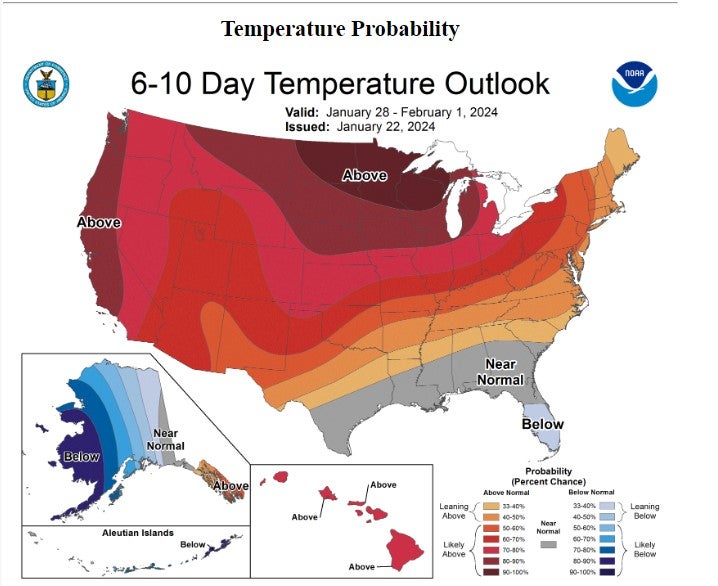
That does not mean that a sudden dip in temperatures might not make short-term heating oil — and by extension diesel — prices surge. It means that it won’t be the start of a long draw on inventories that could go on for weeks, because by the second week of February, at least in the heating oil market, spring is in sight.
The impact of that warmer weather is most visible in the price of natural gas delivered at the Henry Hub in Louisiana. Its recent peak was $3.313 per thousand cubic feet on Jan. 12. Monday, with the warmer weather forecast firmly in place, it settled at $2.419, down almost 90 cts in just five trading days.
At this point, there is one bullish factor in the market: the continued diversion of all sorts of shipping, including oil, away from the Red Sea/Suez Canal and instead around the Cape of Good Horn, whether it be eastbound or westbound. A recent chart from the energy consultancy of Energy Aspects showed how the diversion of tankers carrying middle distillates, which includes diesel, has risen.
That activity ties inventory up for longer, which is bullish for prices.
But physical diesel markets are showing signs of weakness or at least stability. Last week, when the price of ULSD was flat over the course of the four trading days, wholesale diesel prices declined, as evidenced in the ULSDR.USA data series in SONAR, a national average of wholesale diesel prices.
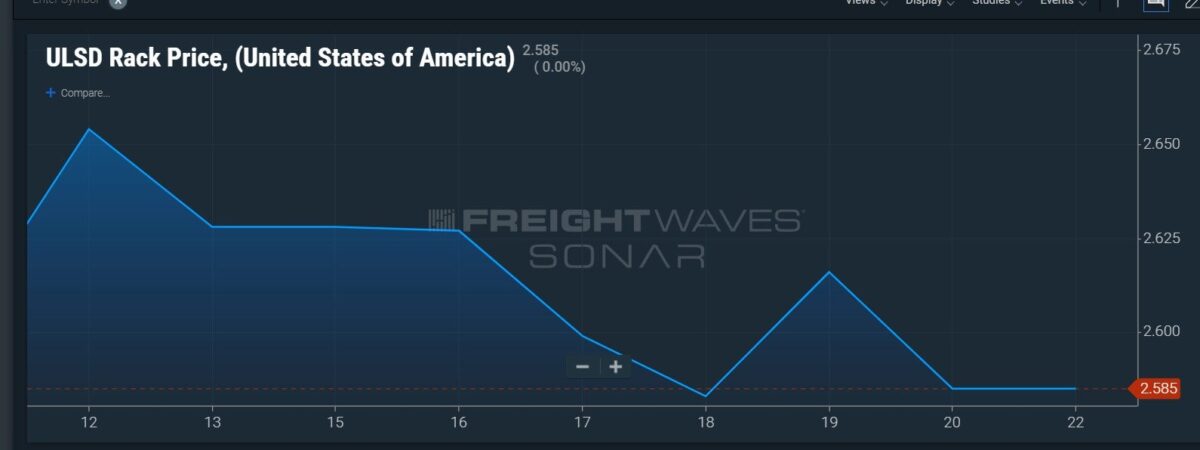
Wholesale prices are impacted by many factors, but the two biggest factors are the price of ULSD on CME and the differentials to that price posted in key trading areas for physical barrels, such as the U.S. Gulf Coast or the New York harbor.
Despite the relatively flat CME price for ULSD last week, the ULSDR.USA data series fell to $2.585 a gallon Monday from $2.654 on Jan. 12. That sort of decline would set the trend for changes at the retail level, which as the DOE/EIA price shows, is declining.
Diesel in several of those key physical markets is showing weakness. The differential between physical diesel in Chicago has weakened slightly. According to data from DTN, the differential fell Monday to minus 51 cents a gallon; it was minus 45 cents on Jan. 16. In Group 3, a Midwest region, the spread Monday was minus 44.5 cents a gallon. On Jan. 12, it was 10 cents a gallon stronger.
At minus 15 cents a gallon, prices in Los Angeles on Monday were at their widest differential since April, according to DTN data.
More articles by John Kingston
State of Freight takeaways: Impacts of the deep freeze; data looking up
Teamsters rack up late 2023 wins, stage significant strike in 2024
Supreme Court rejects review in broker liability case, leaving the issue unresolved
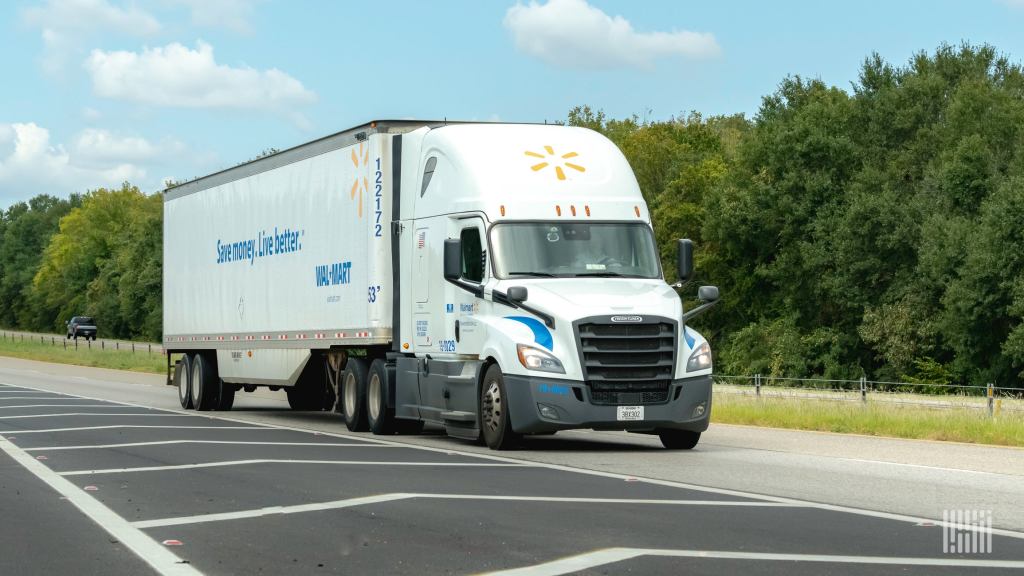
One Walmart truck driver says he has 15 years left of working, and he intends to spend them hauling loads for Walmart. “Barring a lottery win or marrying a sugar mama, I don’t see myself going anywhere,” said the Texas-based driver, who asked not to have his name included as he is not authorized to speak on behalf of the company.
Such loyalty to a single company is unusual in trucking, an industry notorious for massive turnover. And the Texas trucker isn’t alone in his dedication to Walmart. One of the best jobs you can get in trucking is at Walmart. The uber-retailer says truck drivers can make up to $110,000 in their first year at the company. That’s twice the nationwide median pay of a truck driver, and certainly above the $17.50 an hour that the average Walmart associate earns. Home time, paid vacation and good health insurance are also guaranteed for Walmart company drivers. These offerings are elusive in the trucking world.
It’s not out of the goodness of Walmart’s corporate heart that it pays truck drivers a truckload. Rather, truckers are key to Walmart’s retail dominance — and they have been from the start. Without a highly engaged trucking workforce, it’s not likely that the company would have flourished in the way it has. The Fortune 1 company prioritized supply chain long before it became a buzzword.
“At Walmart, we believe in offering our drivers a competitive compensation package to attract the best drivers in the industry,” a Walmart spokesperson told FreightWaves in an emailed statement.
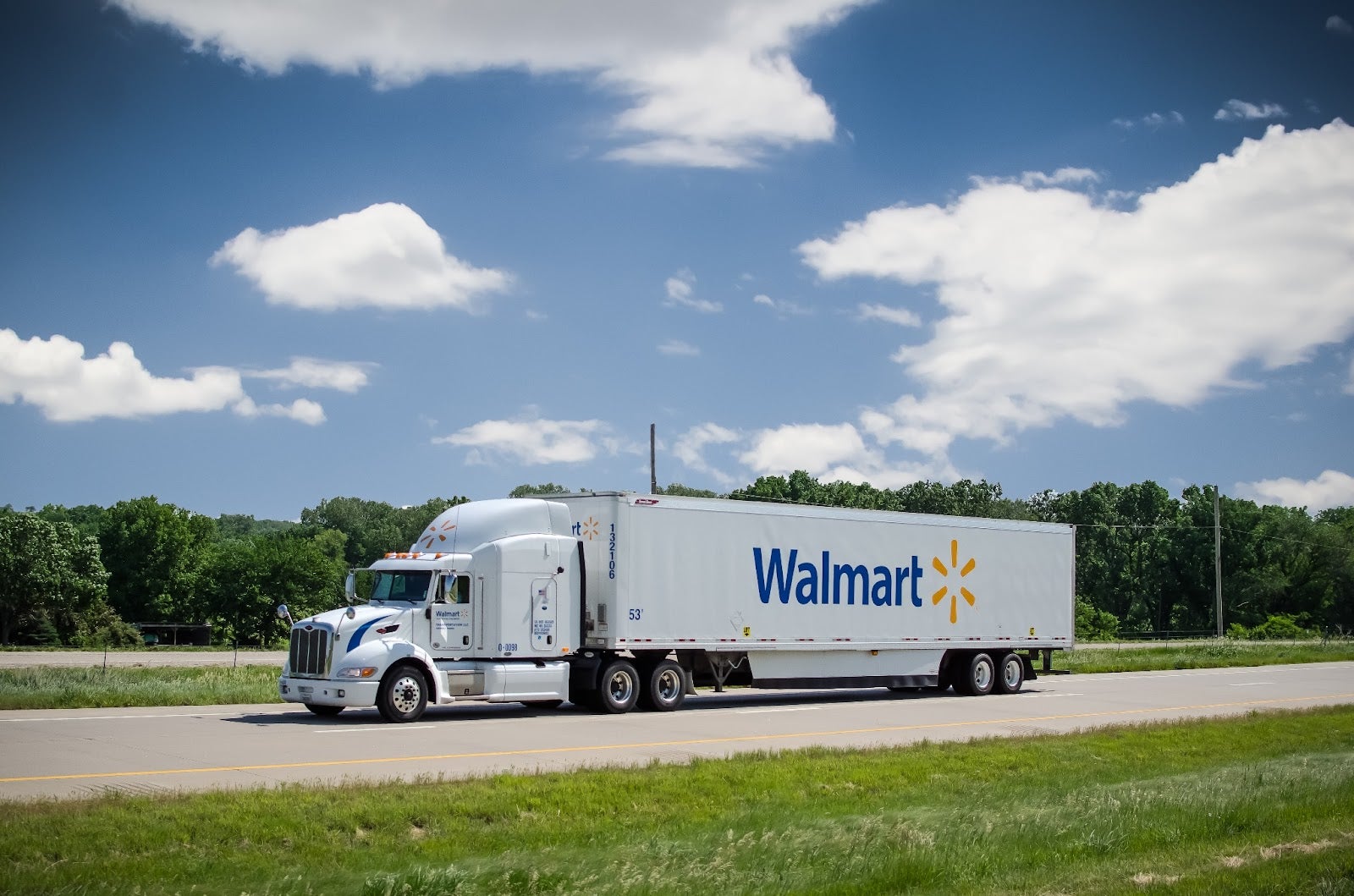
Walmart employs some 14,000 drivers, which makes it comparable to some of the largest for-hire fleets in the U.S. It’s added 5,800 drivers to the company in the past five years alone.
Recently, Walmart has shifted some of its strategies around recruiting those new drivers. In 2018, Walmart changed its truck driving recruitment program to allow more drivers to pass its program. A senior vice president at Walmart told Yahoo! Finance at the time it was because of a “shortage” of truck drivers. (Those who study the trucking industry dispute that such a shortage exists, concluding that drivers leave the industry for jobs with better pay and hours.)
Last year, Walmart announced another key pivot. The company said in January 2023, building on a pilot it launched the year before, that it would allow Walmart associates living in participating locations to apply to a 12-week CDL program. For perhaps the first time, a Walmart company driver doesn’t need years of experience to get behind the wheel of its branded 18-wheelers. It may be that Walmart’s tack on trucking is changing.
Decades before Walmart became the biggest company in the world — raking in $611 billion in revenue last year — its leadership team couldn’t find anyone to haul freight to its first stores. Walmart operated mostly in the boondocks, far from where most trucking companies wanted to go.
“We couldn’t find anybody who wanted to run their trucks 60 or 70 miles out of the way into these little towns where we were operating,” Don Sonderquist, an early Walmart executive, explained in an interview published in 1992. “We were totally ignored by the distributors and the jobbers. That’s not only how we came to build our own distribution system, it’s also how we got used to beating the heck out of everybody on prices.”
This forced founder Sam Walton to build up his own network of suppliers, too. Walmart elected to work directly with the brands it sells in-store, which still allows the company unusual control over the minutiae of the products of some very large companies, according to journalist Charles Fishman, the author of the 2006 book “The Wal-Mart Effect.”

This hyperfocus on supply chain and distribution shaped key decisions from the top to the bottom of Walmart’s operations. That’s according to two people who have closely studied Walmart: Fishman and historian Nelson Lichtenstein, author of the 2006 book “Wal-Mart: The Face of Twenty-First-Century Capitalism” and professor at the University of California, Santa Barbara.
When Walmart sought to open a new store, Fishman and Lichtenstein explained, it built the distribution center. Then, it built stores within a one-day drive of that distribution center. This might seem like an obvious strategy in 2024, but it was somewhat revolutionary in the mid-20th century. Kmart, for example, targeted the same blue-collar Americans that Walmart did. However, Kmart would simply plop stores into suburbs that had plenty of customers. Distribution was an afterthought.
“Walmart has become the largest company in human history by doing something that was already being done, better than anyone else did it,” Fishman said. “Logistics and transportation is one of the things that made Walmart, Walmart, and allowed them to outcompete.”
Kroger, Home Depot, Target and the like all operate huge supply chains and obviously manage to get their shelves robustly stocked — without the front-and-center obsession on supply chain. Walmart’s supply chain, though, is different for a few key reasons. Professor Brian Gibson, executive director of the Center for Supply Chain Innovation at Auburn University, laid it out:
“Walmart’s mission is to save people money so they can live better,” the Walmart spokesperson said in an emailed statement. “Managing our own distribution and trucking networks helps us better serve our customer and manage costs.”
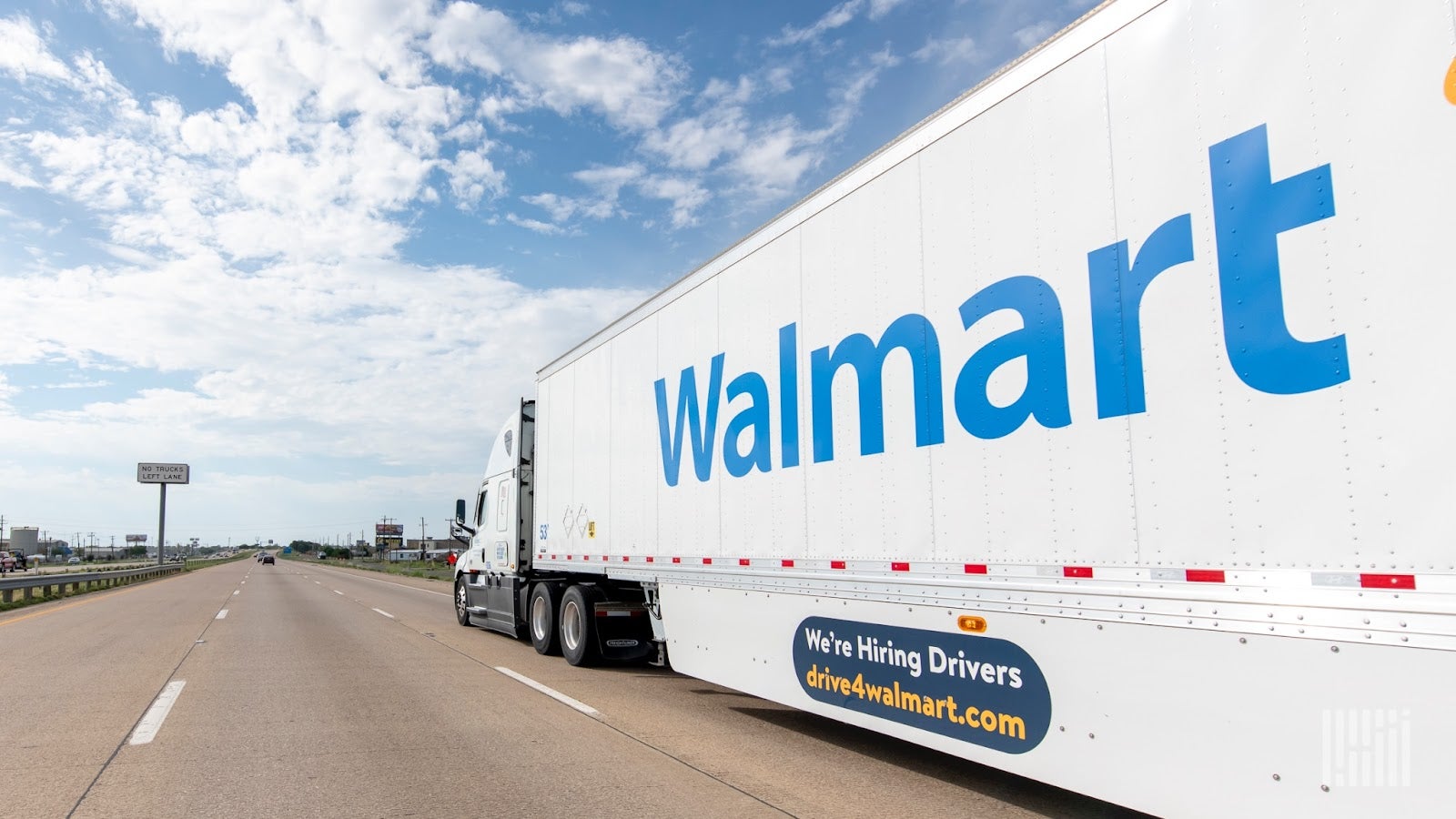
The importance of distribution is perhaps incredibly obvious. If stuff is not on the shelves, customers aren’t going to be buying that stuff. Customers would ultimately buy less during that visit and, if they get fed up by a consistent lack of stuff, eventually not at all. The stuff has to be moved safely and on time across the country. If paying top dollar makes that happen, then it’s sensible for Walmart to agree to do that.
“They wanted to pay them good money because it was the absolute core of their, of their business — to get this stuff from the distribution center to the store at precisely the right time with no screw-ups,” Lichtenstein said. “That was crucial.”
Paying truck drivers top dollar also makes sense because Walmart doesn’t employ that many of them. The company has about 14,000 truck drivers and 1.6 million associates. Each of those truck drivers holds a lot of power over the shopping experience of a Walmart store.
“One associate here or there can have a positive impact, but it’s not going to change the economics of the store,” Fishman said. “A truck driver is going to really matter. They have an outsized impact on the way the company runs.”
Paying six figures to 14,000 employees may seem reasonable enough for Walmart. “It’s not even 1% of their staff,” Fishman said.
Walmart is now changing its truck driver hiring policies. Until 2022, the company required 30 months of driver experience before one could be considered for the company driver role. That year, the company began piloting a program that allowed Walmart associates to go to a 12-week driver training program and become fleet drivers. Walmart expanded the program nationwide. (Outside applicants still need 30 months of training, and not every associate who applies is admitted to the program.)
“We started the Associate-to-Driver program because we wanted to tap into our own talent pool of incredible associates and give them opportunity to develop their career,” the Walmart spokesperson said in a written statement. “It’s been a great opportunity for our associates to continue to grow their careers without having to leave the company.”
The spokesperson said the company requires all trainees to pass the same skills assessment as external hires. Then, they’re partnered with a mentor for six weeks of continued training.
It’s a sensible move for Walmart to train from within; its current CEO, Doug McMillon, started as an hourly associate. “I think it’s a recognition that [you value] your own employees better than somebody walking in off the street,” GIbson said.
Some Walmart drivers aren’t delighted.
The Texas-based Walmart truck driver, who joined the company two years ago, said the retailer could attract more drivers by raising its pay. “Raise the driver’s pay and you’ll retain and attract [experienced drivers],” he said.
Another Texas-based truck driver, who joined Walmart seven years ago, said he fears it’s a sign that Walmart is approaching trucking in the same way as large for-hire fleets, which see typical turnover rates around 94%.
“Back in the day, you used to need a decade before you’re even looked at to get on with Walmart,” he said. (The driver asked not to have his name included as he is not authorized to speak on behalf of the company.)
Both complaints get at the heart of an ongoing debate in the trucking industry: the so-called truck driver shortage. Trucking employers maintain that they’re unable to hire drivers due to a persistent shortage — caused largely by demographic issues and the lifestyle of trucking. However, researchers (and truck drivers themselves) disagree. Studies suggest the massive turnover seen by large fleets keeps them scrambling to hire new workers; one March 2019 study published by the Bureau of Labor Statistics concluded that “price signals” would lead to a more stable trucking workforce.
A company, like Walmart, that pays six figures and offers good benefits should not struggle with turnover. On the other hand, Walmart needs to hire more drivers as the retailer expands operations and current truckers retire. Walmart has hired nearly 6,000 new drivers in the past five years.
From the perspective of these supply chain experts, it doesn’t seem like the associate-to-driver program is necessarily a way to cut costs. Gibson said Walmart has been “very aggressive” in recruiting drivers in recent years. It may have simply tapped out of the current supply of drivers.
“I think this is just the latest in the evolution of the hiring process for Walmart,” Gibson said. “Going internal has been proven to be a good strategy by other organizations.”
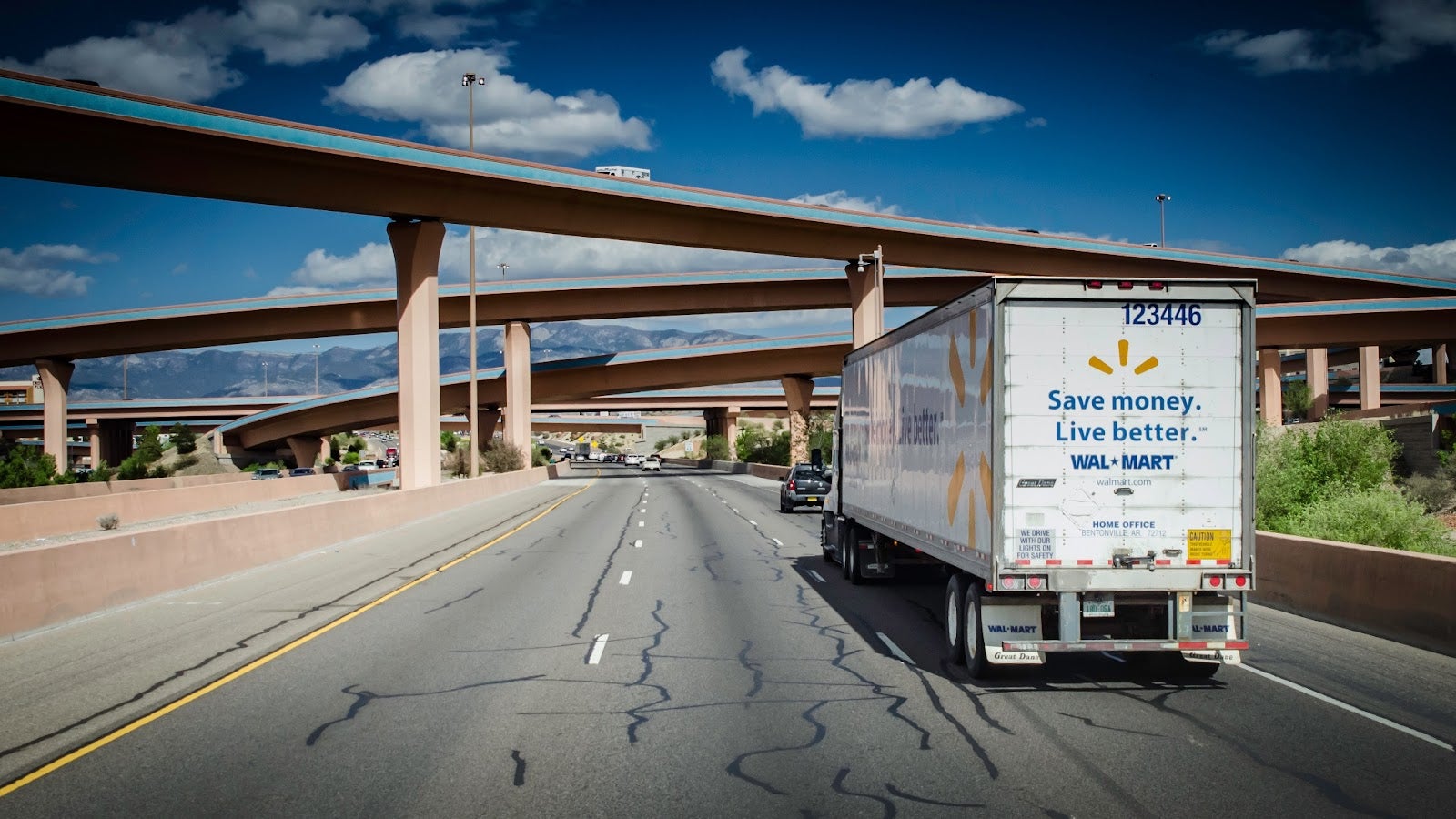
What’s more, the associate-to-driver program could be a way to better mold the Walmart truck driver.
“You take somebody who’s been with another company, they’ve developed habits, they’ve developed styles, they know certain systems – for the good and the bad,” Gibson said. “If they’ve developed any bad habits over time, you can train your new drivers the way you want, the way you need on your systems and try to focus on the skills, capabilities and safety issues that are directly of importance to your organization.”
Fishman agreed. An associate-turned-driver might not bring years of trucking experience, but they certainly get Walmart.
“It’s possible in this wave of hiring that [outside trucking hires] are diluting this Walmart culture,” Fishman said. “Truck drivers are famously independent.”
What do you think of Walmart’s trucking fleet? Email rpremack@www.freightwaves.com with your thoughts. And don’t forget to subscribe to MODES.

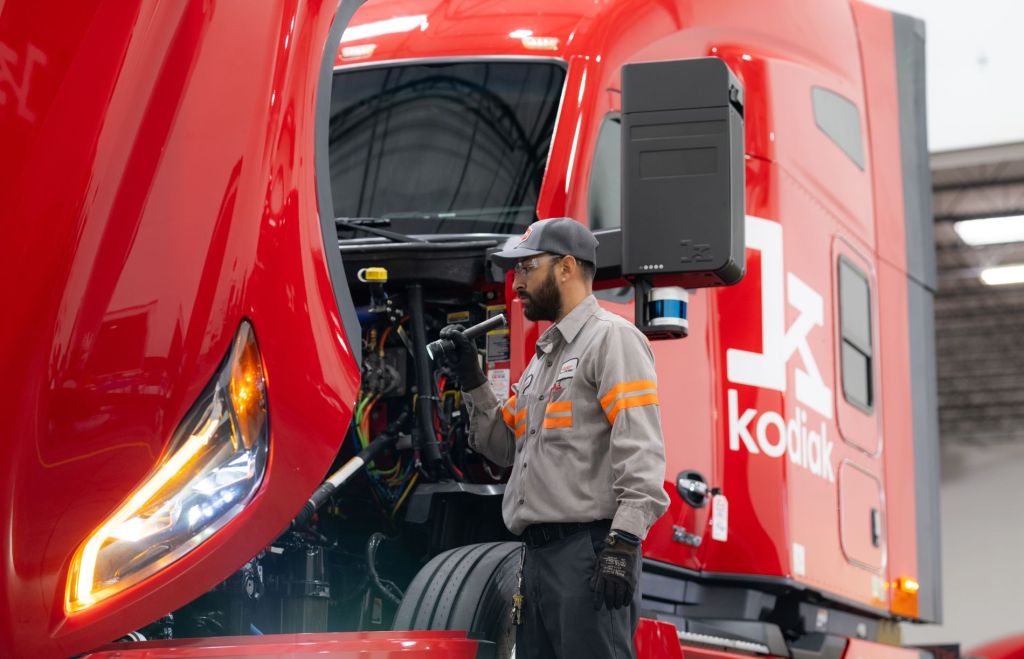
When it comes to autonomous trucks, Ryder System Inc. plays the field, forming — and sometimes ending — relationships with practically every startup contending for leadership in the medium- and heavy-duty driverless space.
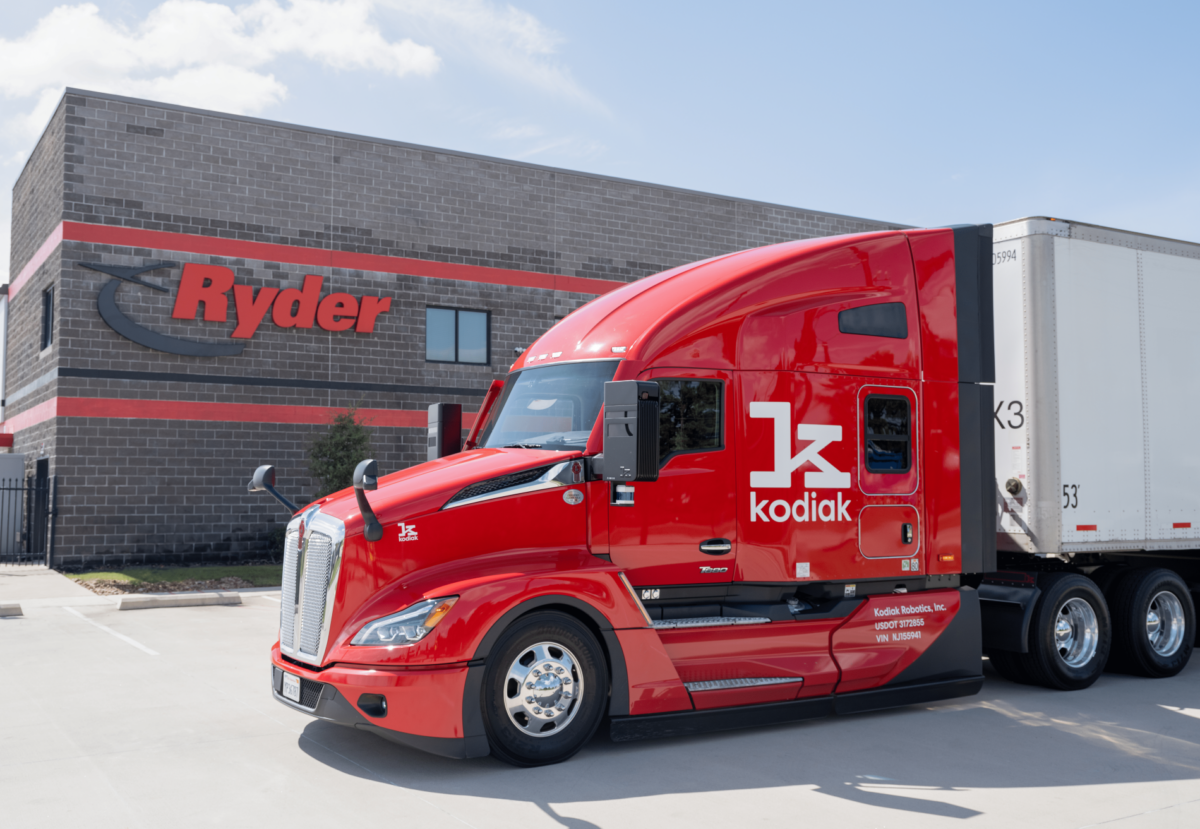
Its first commercial partner appears to be Kodiak Robotics, which is paying for space at an existing Ryder maintenance facility in Houston. The truckport opened in December and enables Kodiak to launch and land autonomous trucks and transfer freight on routes between Houston, Dallas and Oklahoma City.
The facility will be the starting point for driverless Class Kenworth T680s when Kodiak launches operations on its Dallas-Houston route along Interstate 45 later this year. The Mountain View, California-based company today operates routes with safety drivers, including its Houston-Dallas and Houston-Oklahoma City routes.
“Ryder’s industry-leading fleet services and vast footprint of service locations makes it an ideal
partner as we scale autonomous trucks,” Don Burnette, founder and CEO of Kodiak, said in a news release. “Expanding our network of truckports with Ryder will enable us to operate autonomous trucks at scale with our customers.”
Kodiak also works on truckports with the Pilot Co. The two opened a launch-and-landing facility for autonomous trucks in May in Villa Rica, Georgia, 33 miles west of Atlanta near Interstate 20. It is Kodiak’s hub for East Coast operations.
“Kodiak’s relationship with Pilot is unaffected by the collaboration with Ryder,” Burnette told FreightWaves. “Pilot is an investor in Kodiak and is on Kodiak’s board of directors. Kodiak’s capital-efficient truckport strategy is to partner with industry leaders to leverage third-party infrastructure, rather than building company-owned facilities.”
Ryder applauds Kodiak’s approach.
“It keeps them from having to invest in real estate, which is smart on their part,” Karen Jones, Ryder executive vice president, chief marketing officer and head of new product development, told FreightWaves.
Miami-based Ryder invests in Class 3-7 middle-mile autonomous startup Gatik. Ryder’s Class 8 experience amounts to a revolving door of startups.
It started in 2021 with TuSimple, at the time a leader in high-autonomy Level 4 trucking. TuSimple has shuttered U.S. operations to focus on Asia, specifically China, Japan and Australia. Waymo Via suspended most of its autonomous trucking efforts last year amid parent Alphabet Inc.’s cost cutting. Embark Trucks ran out of money before launching.
“We went to the party with a few. But that was really kind of our strategy from the very beginning,” Jones said. “It’s very important to us to make sure that we’re playing with the players that we think are going to actually have a chance at being the winners here.
“As new technology comes up, there are a lot of people that rush to it pretty quickly. I think that happened with autonomous trucking, and it’s a big expensive proposition. You’ve got to raise a lot of capital and have a lot of endurance to stay the course.”
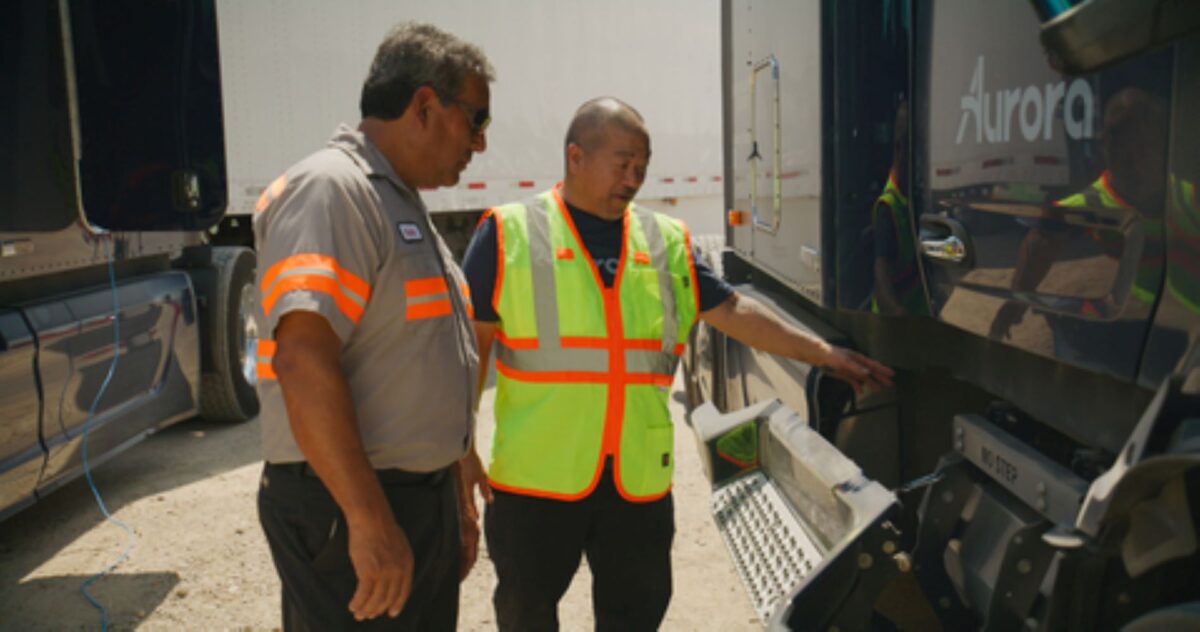
Allowing access to its facilities, training technicians on aspects of autonomous trucks — as it has with Aurora Innovation — gives Ryder an inside look at the state of a technology that could revolutionize trucking.
If safety cases prove out, robot-driven trucks exempt from hours of service regulations could run 20-24 hours a day. Fleets could see 40% savings by removing the driver in hub-to-hub operations.
“The field is starting to sort of weed itself out,” Jones said. “But I think we’re still a long way off from knowing who the ultimate winners will be.”
Aurora, Kodiak and Torc Robotics, an independent subsidiary of market leader Daimler Truck, appear to lead the race, a hierarchy Jones accepts.
“All three have developed some pretty solid technology,” she said. “The big challenge for all of them now is the operational side of executing these lanes and learning how to launch and load freight. They’re all running to get the driver out, which is the ultimate goal of autonomous trucking. All three are very strong contenders.”
Jones’ biggest surprise in autonomous trucking has been Gatik, whose emphasis on shorter, repeatable middle-mile routes, has allowed the company to pull human drivers sooner.
“It’s really paid off for them to have that focus,” she said. “The cost of the equipment, the operational execution probably adds greater benefits than trying to do the long haul.”
And Gatik’s lack of competitors?
“I’m surprised they haven’t had a lot of competition. But at the end of the day, it’s a very expensive proposition to get into this game. It’s not for the faint of heart, that’s for sure.”
It’s nothing imminent, but don’t be surprised to see Ryder create its own autonomous trucking fleet. It has 760 maintenance facilities, more than a few of which could support driverless trucks.
“We have a number of areas that we can play in from being a carrier ourselves. We have a dedicated operation” Jones said. “If we put autonomous trucks into our dedicated fleet, what would that look like?”
It might resemble what Ryder is doing with Kodiak. That’s basic maintenance for now. But it could train technicians to work on autonomous hardware and software. Kodiak’s SensorPods, for example, contain all of the Kodiak Driver’s cameras, radars and lidars. They weigh about 45 pounds and can be swapped like replacing tires in a race track pitstop.
“We have not entered into that yet in our relationship of maintaining their specific technology,” Jones said. ”There’s a level of training that they want to ensure that we have and they have to impart to us to be able to do that type of thing.”
Kodiak reveals production-ready autonomous truck at CES
Aurora opens driverless trucking route in Texas admit autonomous jitters
Landing and launching terminals for autonomous trucks getting closer
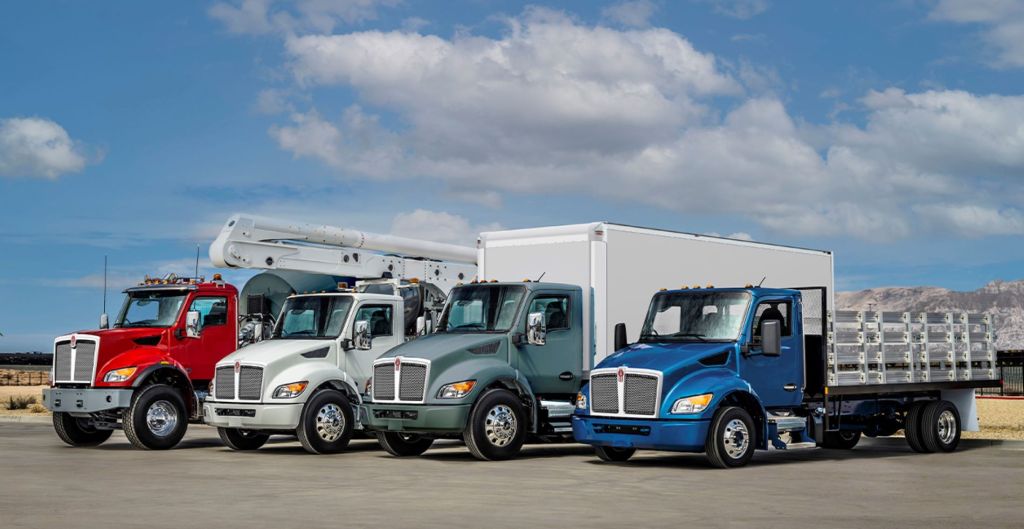
Kenworth and Peterbilt are recalling 11,053 medium-duty trucks because improperly seated glass on cab mirrors may fall.
The two Paccar Inc. brands reported no crashes, injuries or fatalities from the condition. It began investigating in August after field failures and warranty reports. The company notified the National Highway Traffic Safety Administration of a safety recall on Jan. 12. Paccar reported 181 warranty claims and 12 trucks in the field that may have experienced the condition.
Mirror glass without a fully seated lock ring may fall, causing a driver to lose use of the cab mirror. Lack of visibility may increase the risk of an accident or injury. About 1% of the recalled trucks are expected to experience the condition.
The recalled trucks include 2022-2024 Peterbilt Model 535, 536, 537 and 548 with 2.1-meter cabs built between July 28, 2021, and July 27, 2023. The recall also includes 2022-2024 Kenworth T180, T280, T380 and T480 models built in the same date range. The plant in Sainte-Thérèse, Quebec, now inspects the mirror lock ring. Vehicles built after July 28 are not involved.
Peterbilt and Kenworth dealers will inspect the mirror lock rings and tighten if necessary. Dealers and owners will be notified March 15. The NHTSA recall number is 24V-017.
The supplier, Mekra Lang North America, is reviewing a design change for a long-term solution.
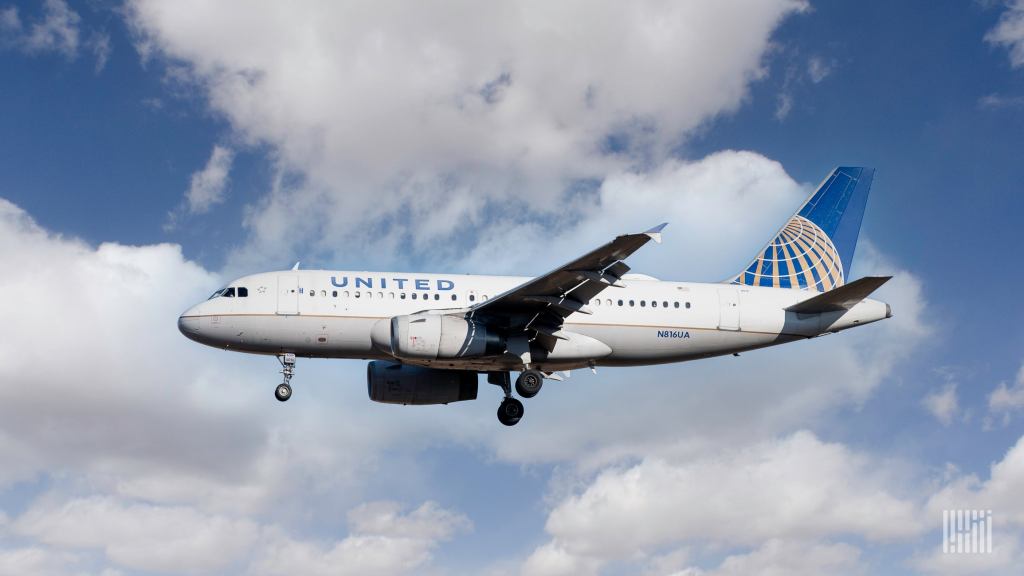
A late-season updraft in market demand slowed the decline in cargo revenue last year at United Airlines, which reported Monday that shipment sales fell 14.8% during the fourth quarter to $402 million.
United (NYSE: UAL) said full-year cargo revenue was $1.5 billion, down 31% from the prior year. In 2022 and 2021, United topped $2 billion in cargo revenue when global supply chain dislocations fueled demand for air transport.
Cargo-ton-miles, a measure of cargo traffic by distance, increased 16.9% to 894 million, indicating that lower rates hurt the top line even as United was able to fly to more destinations with the return to near-full capacity on international routes following the COVID crisis.
Economic normalization after the pandemic and Russia’s invasion of Ukraine sent the air logistics sector into an 18-month downturn that finally turned into positive year-over-year growth over the final four months of 2023. November and December were the best months of the year, with cargo volumes up 8% to 9% from the same period in 2022.
United outperformed Delta Air Lines, which saw fourth-quarter cargo revenue decrease 24% y/y to $188 million.
Overall, United recorded $13.6 billion in revenue for the quarter, up 9% from the previous year, and net income of $600 million on strong travel demand, solidly beating Wall Street estimates. Net income was down 29% from the prior year.
But the airline projected it will lose 35 cents to 85 cents per share in the first quarter of 2024 because 79 Boeing 737 MAX 9 aircraft are grounded while the Federal Aviation Administration continues to evaluate the type’s safety following the blowout of a false door section on an Alaska Airlines flight this month. United said it expects the aircraft to be out of service for the entire month of January. United’s stock was up nearly 6% in after hours trading.
Click here for more FreightWaves/American Shipper articles by Eric Kulisch.
Contact reporter: ekulisch@www.freightwaves.com
Slide in Delta Airlines’ cargo revenue decelerates in fourth quarter

The U.S. Postal Service really didn’t want battery-electric delivery trucks, but some White House pressure quelled that. Now, the first off-the-shelf Ford Transit EVs are carrying the mail.
The Postal Service also showed off its first set of electric vehicle charging stations at its South Atlanta Sorting and Delivery Center on Monday. The service plans hundreds of charging stations for what eventually will be the nation’s largest fleet of electric vehicles.
Modernizing the postal delivery fleet of aging and fire-prone Grumman LLVs comes from $3 billion in Inflation Reduction Act monies. In addition to replacing 165,000 vehicles over the next decade, alternating current chargers from Siemens, Rexel/ChargePoint and Blink
capable of overnight charging will cover 66,000 EVs.
Postmaster General Louis DeJoy initially committed to just 10% of next-generation delivery vehicles being electrified. That flew in the face of President Joe Biden’s commitment to electrifying the federal government’s vehicle fleet. In addition to the Ford E-Transits, the Postal Service plans 45,000 more battery-electric vehicles by 2028.
“We are grateful for the support of Congress and the Biden administration through Inflation Reduction Act funding,” DeJoy said in a news release.
The bulk of the new delivery trucks will come from Oshkosh Corp., a surprise winner in a protracted bidding process that began in 2015. Oshkosh beat out Workhorse Group, which planned to make all-electric vehicles and build them at a former General Motors plant in northeast Ohio.
Workhorse shares skyrocketed in anticipation of the contract, then plummeted when the company lost out to Oshkosh, which has billions of dollars in U.S. defense contracts. Cincinnati-based Workhorse initially sued to overturn the award to Oshkosh but later gave up when new leadership took over the company.
The Postal Service ordered 9,250 Ford E-Transit vans in March while Oshkosh finishes its ground-up vehicle that will make up the bulk of the revamped postal delivery fleet. Some portion of those trucks will run on gasoline. But the Postal Service is open to going fully electric if it can find the money to pay for it.
“The improvements we need to achieve in sustainability are an integral outgrowth of the broader modernization efforts we have undertaken through our 10-year Delivering for America plan,” DeJoy said.
“As we transform our operating processes and invest in new automation, new technologies, and upgraded facilities and vehicles, we will generate significant efficiencies that reduce our costs, slash our carbon footprint and minimize waste.”
The E-Transit features a 266-horsepower electric motor, rear-wheel drive and a 126-mile range. It is built in Kansas City, Missouri. The E-Transit has three times the cargo capacity of the Grumman vehicles, eliminating the need for many second trips that carriers take to deliver high volumes of packages.
The E-Transit also features air conditioning and advanced safety technology absent in the current delivery fleet.
Deployment of electric delivery trucks starts in Georgia and expands to other locations across the country throughout the year.
Lawmakers grill Postal Service on Oshkosh truck purchase
Workhorse sues Postal Service over delivery vehicle contract
Oshkosh beats Workhorse for Postal Service delivery vehicle contract