




Emily Ricks
Friday, August 14, 2020
Daily Infographic: 1H20 airline revenue overview
To read the full article, click here.
To read the full article, click here.
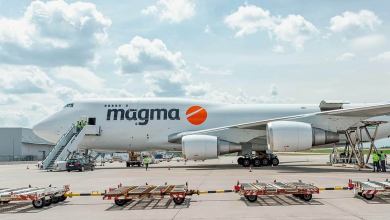
Magma has a nose for cargo. It will operate a new 747 that can open its front end to load big shipments.
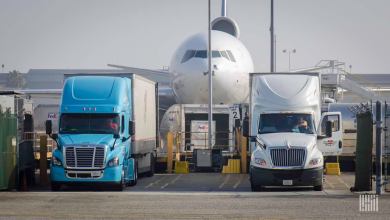
Shipping goods by air is expensive, especially on the biggest trade lines from China. Rates are much higher than normal for this time of year, but they are heading up more with no end in sight.
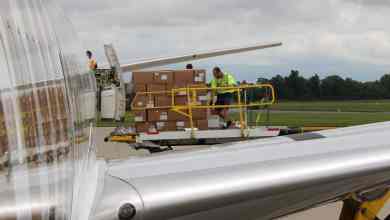
Airfreight rates from China are on the rise again. The rest of the world is more stable when it comes to air cargo. But China is driving much of the transport activity because of its export of face masks and other goods.
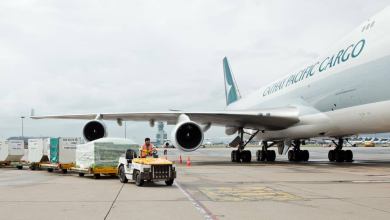
Airline industry officials are more pessimistic about a recovery after seeing a decline in consumer confidence and coronavirus surges in some countries. Cargo has more near-term upside, but June volumes were disappointing for carriers.
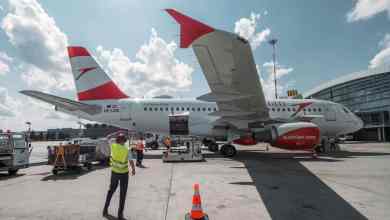
Airfreight looks like a haven for some ocean shippers that can’t find reliable, affordable transportation, but it probably won’t be that way for long because more businesses will need to move goods by air in the coming months and there aren’t enough planes.
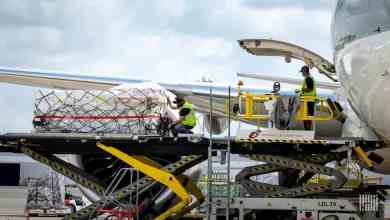
The global airfreight market contracted during the first six months of 2020, but airlines made much more money from cargo than last year, according to World ACD.
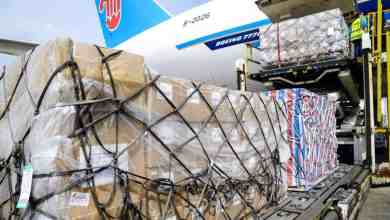
vailable cargo space on outbound aircraft from China is starting to become scarce again. Shippers better hurry to lock up reservations for the late summer and peak season.

With safety and travel logistics in mind, the annual AirCargo Conference, which draws up to 800 attendees, will take place online in 2021.
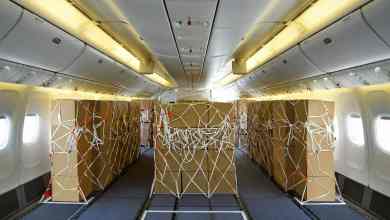
The FAA’s ruling allowing airlines to jam more cargo in the cabin by removing passenger seats may be a pyrrhic victory. The incentive to do so may have passed.
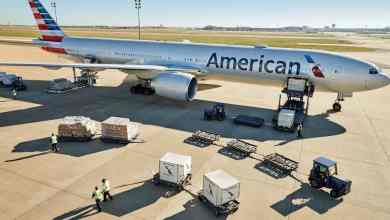
The air freight market appears saner in recent weeks, with less competition among shippers for transport services. But the shape of the recovery is anyone’s guess and a possible demand spike for face masks and surgical gowns could create a hyper-market again.
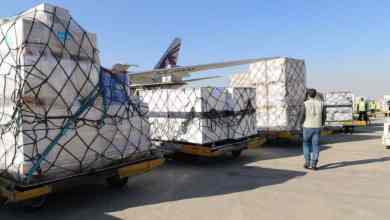
Face shields, gloves and hand sanitizer were yesterday’s hot airfreight product. Now the cool shipments that people need right away are yoga pants, bikes and hot tubs.
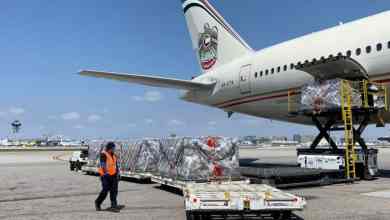
It’s still a seller’s market in airfreight, but rates are finally moderating.
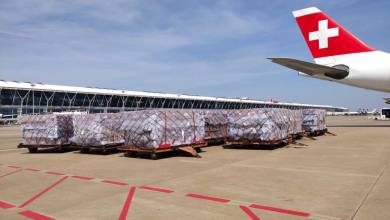
Airlines continue to send out SOS distress signals. The industry’s main trade association says profit margins will drop 20% this year, but the increased reliance on air cargo is helping companies stay alive and keep employees.
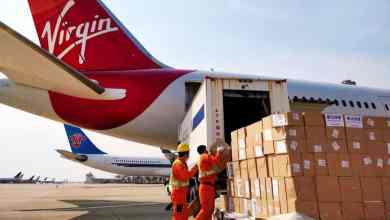
The airfreight market is a volatile conundrum. Overall, demand is down. But with few planes flying these days and everyone wanting a face mask, good luck finding affordable space for your shipment of auto parts or seafood.
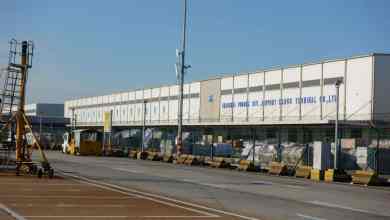
Shanghai Pudong Airport is getting crushed by heavy cargo volumes. Add to the mix a lot of red tape for export clearance and shipments are experiencing long delays and missed flights.
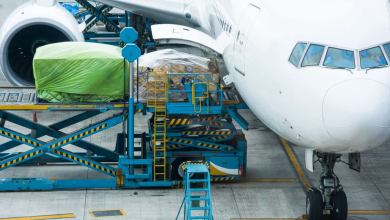
The current $61 billion set-aside for the domestic airline industry left out the forwarders.
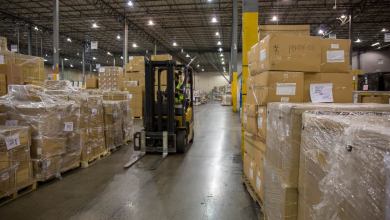
Less-than-containerload services offer forwarders and their shippers an alternative to more expensive air freight and full-container transport services, industry experts say.
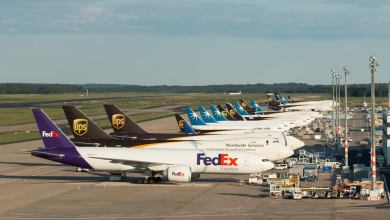
Airfreight demand from China is still lower than normal this time of year, but it is finally picking up as the coronavirus scare gradually subsides. The new dynamic is reflected in higher cargo rates.
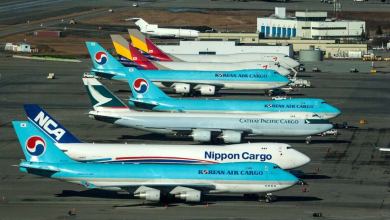
The latest statistics from airlines and airports reinforce what we already know: The air freight market is in a protracted recession. But filtering the data for seasonal fluctuations paints a slightly more optimistic picture. September marked the 11th consecutive month of year-over-year declines in freight volumes, the longest period in a decade. Freight volume, measured […]