Today’s Pickup: Companies are splurging on self-driving technology with no commercial deployment at sight
Uber spends over $1 billion every year on Waymo; Lyft is nearing its IPO; Fiat recalling 863,000 cars due to emissions issues.


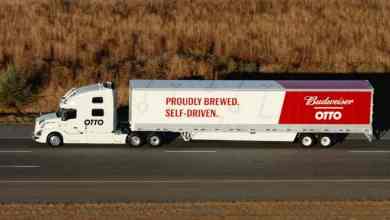
Recently uncovered case files from the Waymo vs Otto trade secret theft case, reveal Uber’s optimism with self-driving cars in 2016, which included the company envision running 75,000 self-driving vehicles across 13 cities by 2022.
VayaVision, a startup that develops perception software for autonomous vehicles, today announced that they are the recipient of a €2.45 million SME Instrument Grant from the European Innovation Council (EIC) to support its expansion into the European market.
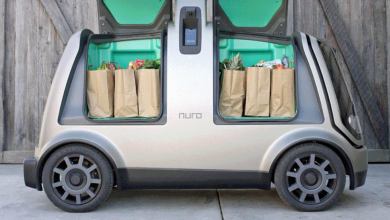
TechCrunch reports that SoftBank, a Japanese multinational holding group, has led a $940 million investment in autonomous delivery startup Nuro.
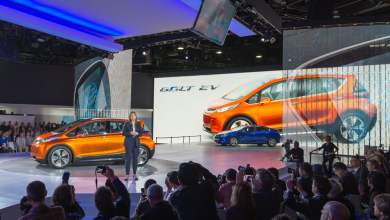
If staying healthy in the car manufacturing industry and supply chain labor force wasn’t complicated enough, there is still the matter of the $51 billion bailout that the American taxpayer paid to save GM a decade ago.
Computer vision startup Netradyne has recorded 100 million hours of driving data which would be analyzed by its AI deep learning tool to help drivers improve driving behavior and avoid incidents on the road.
GuardKnox, an Israeli vehicle cybersecurity startup is bringing in technology from the defense sector to make sure vehicles stay safe from data breach and cyberattacks.
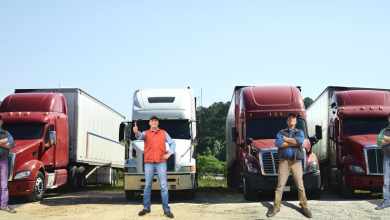
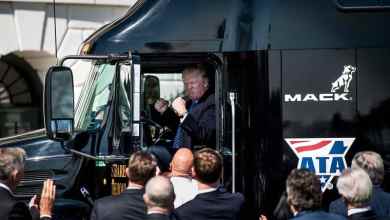
Discussions around the topic of autonomous trucks would not be complete without it addressing three main concerns – job security of drivers, data privacy, and liability issues.
In partnership with Reliance Partners …The idea that technology will save lives is exciting on the one hand. On the other, just how seamless will the technology be? Will it be optional or mandatory?
Electric vehicle technology and autonomous. So much excitement; so much investment. Here are the three essential takeaways the report offers for industry stakeholders.
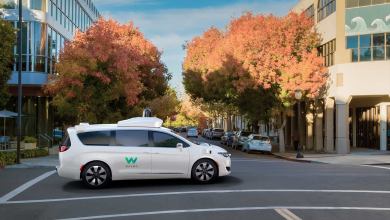
Waymo is partnering with Valley Metro, a public transportation authority in Arizona, to shuttle people to and from public transportation stops via autonomous cars – thus planting its feet firmly in the race to put self-driving vehicles on the road.
Autonomous vehicles are the future, but how does the path to automation look like?
As parking spaces take up most of the available land in the central districts of cities, it is time to rethink the way people transit in the cities of the future.
John Kasich signed an executive order in May that will allow companies to test autonomous vehicles on all public roads in Ohio.
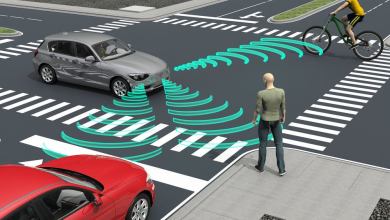
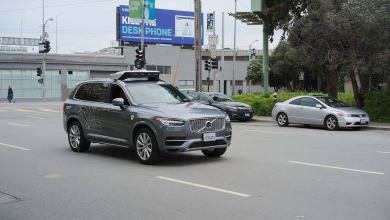
An Uber self-driving SUV struck and killed a pedestrian in Tempe, Arizona, the first known time a pedestrian has been killed by an autonomous vehicle.
The U.S. has been particularly bad over the last few decades at helping people who’ve lost out during periods of technological change. Is there a new emerging story?
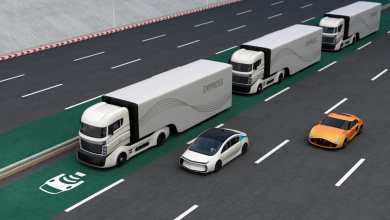
Even with lower levels of automation, trucks could essentially work around the clock, but what will regulators do about the ELD hours-of-service rule?
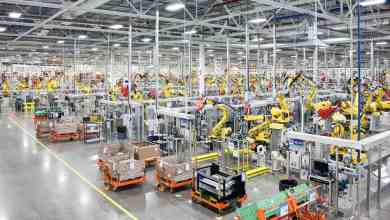
Manufacturers surveyed by PricewaterhouseCoopers have been slow to implement autonomous, mobile robotics in their operations–they’re waiting for proven ROI. But they may be too focused on driverless trucks, overlooking other technologies that are closer to commercial viability.
How rapidly the autonomous truck becomes a common sight on local roads and interstate highways – both in the U.S. and abroad – depends on numerous factors. Maybe we should check ourselves at the propaganda and hype-machine door.
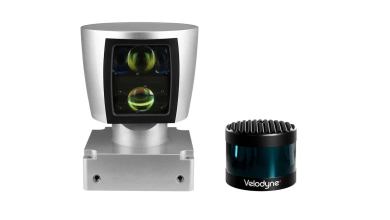
Velodyne LiDAR in San Jose, CA, announced this morning the release of its ground-breaking new sensor for autonomous vehicles, the VLS-128, which offers double the range and 10x the resolution of its previous industry-leading sensor.