Cybersecurity experts raise increasing concern over autonomous trucks
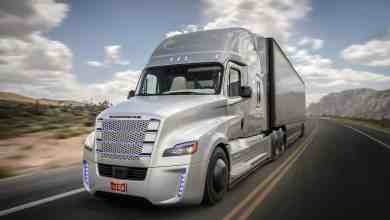
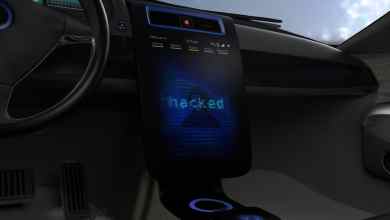
With the evolution of trucks into computers on wheels, cybersecurity becomes more of an issue. Autonomous trucks are especially an attractive target for the hacking community.

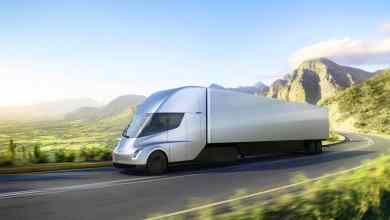
Anheuser-Busch’s private fleet is among the leaders in the country when it comes to efforts to cut carbon emissions through alternative fuel use. The company is taking another step, announcing it has reserved 40 Tesla Semi electric tractors.
TuSimple, a Chinese autonomous truck technology startup that is backed by Nvidia with offices in San Diego, has raised an additional $55 million in venture capital.
Following a Thanksgiving week that saw loads depressed, but not rates, the spot freight market was going full steam ahead last week with loads climbing 64% on the DAT network of load boards.
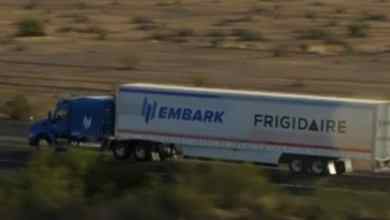
Embark, Ryder and Frigidaire are testing Embark’s semi-autonomous trucks on routes running from Texas to California.
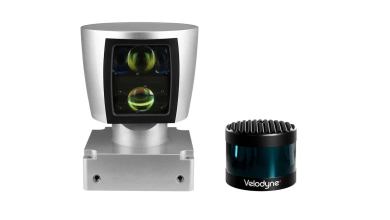
Velodyne LiDAR in San Jose, CA, announced this morning the release of its ground-breaking new sensor for autonomous vehicles, the VLS-128, which offers double the range and 10x the resolution of its previous industry-leading sensor.
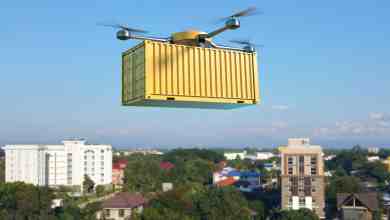
What’s technology is next in line to become the new normal? Blockchain technology? Drones delivering anything under five pounds within hours or minutes? Maybe. Just as likely, and maybe even sooner: self-driving cars and, especially, self-driving trucks.
Automation and digitization continue to infiltrate the shipper and 3PL markets, even as those industries lag in investment, according to a study conducted by Infosys Consulting and presented during a Stifel conference call on Tuesday.
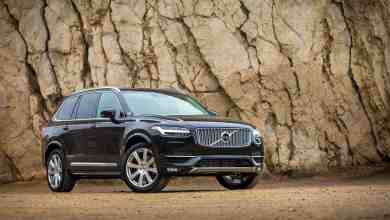
On Monday Uber announced its agreement to purchase 24,000 self-driving Volvo XC90 SUVs for $1.4B, accelerating the auto industry’s shift to shared, autonomous transportation-as-a-service.
The push for autonomous vehicles is gaining more traction as it is provides an easy solution to the worsening driver shortage. Greg Nichols, writing for ZDNet, says the obvious reason is that “millennials don’t want to drive trucks.”
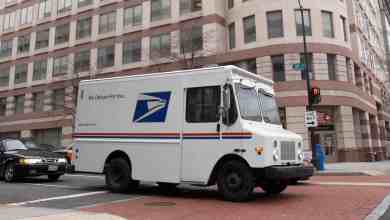
The U.S. Postal Service could deploy autonomous vehicles as soon as 2025, according to a paper prepared by the Postal Service to explore possible use cases for autonomous technologies. USPS and the University of Michigan are working on a self-driving mail delivery truck, the Autonomous Rural Delivery Vehicle (ARDV), the paper said.
The supply chain stands at the crossroads of innovation, with the impact of technology felt in different micro-niches. Here is a look at some of the technologies that are showing considerable potential and looking to change the facade of freight hauling forever.
The concept of driverless trucks has recently jostled the transportation industry. However, truck drivers everywhere may be relieved to discover that world-renowned business tycoon, Warren Buffett, is betting a fortune on their livelihoods, and sees no need to worry about an impending AI driver revolution.
In the rush to develop autonomous, long-haul trucks (and trains) that could double productivity – driving for 24 hours a day with no need for rest – it may turn out that the competition for freight may really be in the sky.
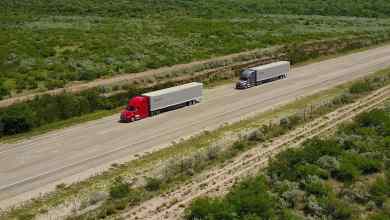
Daimler has been given permission by the Oregon Department of Transportation to test truck platooning on the roads of Oregon following successful trials in Madras, OR. The company has said it will first test the platooning technology on two connected heavy-duty Cascadias in the first step called “pairing.”
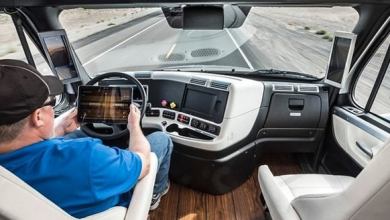
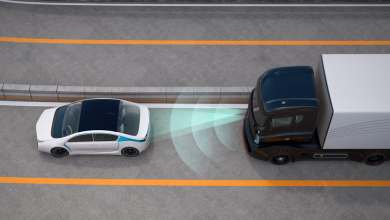
An entirely new generation of technological change is now occurring in the transportation industry, and it’s called the autonomous truck, or what design specialists refer to as “intelligent engineering.” But what are some of the benefits, and risks, associated with the technology?
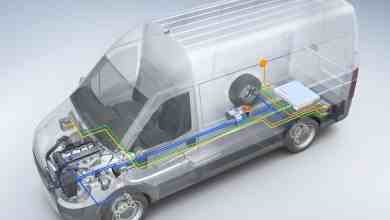
Bosch may be well known for its automotive technology, but it is less known for its commercial vehicle technologies here in the United States. That is starting to change as Bosch is investing in technologies that will be part of the electric and autonomous future many are predicting for the industry.
Self-driving technology puts truck driver jobs at risk, however, the potential benefits are rewarding. And that is making it a hot topic in Washington, where legislators are trying to determine how involved the government should be.
As the Congress works on developing legislation aimed at regulating self-driving vehicles, Transportation Secretary Elaine Chao is looking to guide that legislation with less of a regulatory hand, according to Bloomberg.
No need for those extra extension cords just yet; electric vehicles are not about to take over the world. That is one of the points that Lars Stengvist, CTO of the Volvo Group and EVP of Volvo Group Truck Technology, made to a select group of reporters during a roundtable discussion on truck technologies