




Phil Brink
Friday, May 1, 2026
The FBI is late to cargo theft, the industry isn’t
FBI warns of rising cyber cargo theft, as cybercriminals increasingly target freight industry operations
FBI warns of rising cyber cargo theft, as cybercriminals increasingly target freight industry operations
More than 300,000 carriers operate in a system that cannot fully verify who is behind each authority. With limited enforcement and disconnected data, fraud continues to enter through the front door. This May, industry leaders are heading to Washington, DC to address the problem at its source.

The rate is the rating. When the cheapest available carrier becomes the default selection criterion, the safety rating nobody actually checks becomes irrelevant anyway. The Supreme Court will decide by June whether brokers face any liability for that calculus at all.

A Florida man has been charged in a federal case involving more than $600,000 in stolen onions and potatoes. Prosecutors say the scheme relied on posing as a legitimate business to secure and redirect shipments.

The driver isn’t always taking the load. They’re creating the moment where it can be taken.

Fraud is no longer obvious. It hides inside companies that look legitimate but have not been verified.
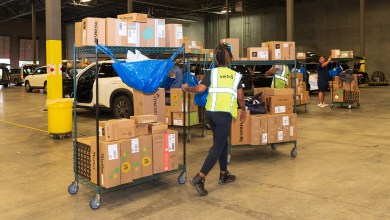
By the time the product was found, it was already positioned to move through resale channels. That’s not a recovery story. It’s a reminder that most losses start long before a load is ever picked up.
From the US to the UK to Europe, the pattern is the same. Control shifts early, and by the time it’s noticed, the freight is already gone.

Cargo theft persists even with all checks passed, revealing gaps in freight verification.

This week: Verified Carrier discusses its unique way of vetting carriers, Vecna Robotics closes its Series C, Truckstop vets industry pets and Nvidia has a new offering for industry tech providers.