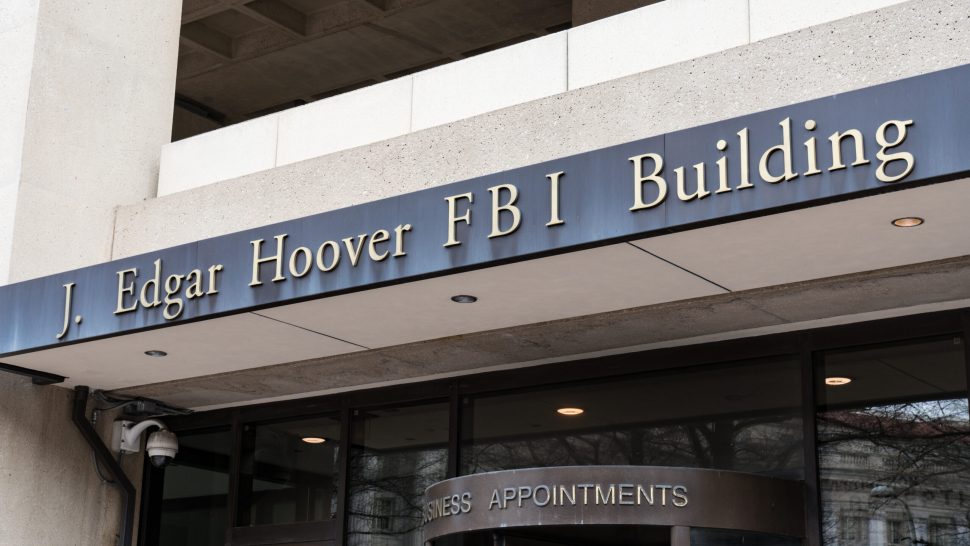
The FBI is now warning about a surge in cargo theft tied to cybercriminals. The concern is valid. The timing is behind. For much of the freight industry, this is not new information. It is confirmation of a shift that has already taken hold.
The change began around 2021. That is when fraud moved into the transaction itself. Loads were no longer being taken from yards or truck stops. They were being redirected before pickup ever happened. Identities were copied. Emails were manipulated. Legitimate companies were used as cover. The freight still moved, but control changed hands early.
This was not caused by a single tactic. It came from a system built for speed. Digital onboarding increased. Remote communication replaced in-person checks calls. Processes stayed the same while exposure increased. When the market slowed, the pressure to move quickly remained. That imbalance created an opening that continues to be exploited.
this started years ago, not weeks ago
What we are seeing now is not a new wave. It is the result of steady expansion. Early cases showed what was possible. Over time, those methods were repeated, tested, and refined. The activity spread across lanes, commodities, and regions without needing to change much at the surface level.
Groups behind these thefts are not relying on force. They are relying on consistency. The same patterns continue to work because they fit inside normal workflows. That is what makes them effective. They do not disrupt operations. They blend into them.
By the time attention reaches a national level, these methods are established. They have moved volume, created losses, and done most of the damage before they are formally recognized.
the risk is no longer physical
The supply chain was designed to keep freight moving with minimal friction. That design does not account for someone entering the process under false identity. Once access is gained, the rest of the system functions as expected. That is where control is lost.
This type of exposure does not show up the way traditional theft does. There is no immediate signal that something is wrong. The issue is only visible after the handoff has already taken place. At that point, options are limited and recovery becomes unlikely.
Parts of the industry have already adjusted to this reality. Verification is being applied at more than one point in the shipment. Identity is being confirmed closer to execution, not just at onboarding. The focus has shifted from appearance to proof.
The FBI raising concern brings attention, but it does not change the timeline. This has already been in motion. The gap is between when the problem began and when it became widely acknowledged.
Closing that gap is what matters now.
Click here for more articles on cargo theft and freight fraud by Phillip Brink.
Brokerage Compliance Symposium
The day before F3. Every compliance issue you face - fraud exposure, carrier liability, FMCSA rules, cargo theft, insurance gaps - navigated by attorneys and operators defining best practices in a changing industry.
F3 Awards Dinner
The night before F3. FreightTech100 companies honored. FreightTech 25 and Shipper of Choice winners revealed live. Cocktail reception into dinner and live music - 300 industry leaders in one purpose-built room.
F3: Future of Freight Festival
Industry-defining keynotes, rapid-fire technology demos, and industry leaders networking in experiences across Chattanooga - plus the inaugural F3 Awards Dinner featuring the FreightTech and Shipper of Choice reveals.
The day before F3. Every compliance issue you face - fraud exposure, carrier liability, FMCSA rules, cargo theft, insurance gaps - navigated by attorneys and operators defining best practices in a changing industry.
The Signal at Chattanooga Choo Choo • Chattanooga, TN Register NowThe night before F3. FreightTech100 companies honored. FreightTech 25 and Shipper of Choice winners revealed live. Cocktail reception into dinner and live music - 300 industry leaders in one purpose-built room.
The Signal at Chattanooga Choo Choo • Chattanooga, TN Register NowIndustry-defining keynotes, rapid-fire technology demos, and industry leaders networking in experiences across Chattanooga - plus the inaugural F3 Awards Dinner featuring the FreightTech and Shipper of Choice reveals.
The Signal at Chattanooga Choo Choo • Chattanooga, TN Register Now