The market is shifting; shippers and carriers should prepare
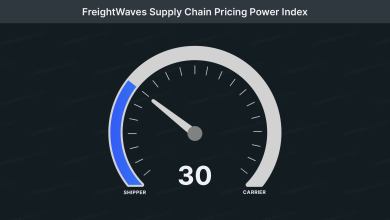
As many are predicting another shift in the second half of the year, the co-founder of Sifted has advice for both carriers and shippers moving into 2024.
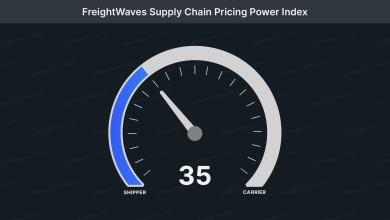
The sustained imbalance between supply and demand has yet to be corrected, such that only an unprecedented tidal wave of demand could satisfy the current amount of capacity in the national freight economy.
Spot rates did eventually see a boost at the start of the new year, albeit one that was unable to meet our prior forecasts.
Tender volumes began to outpace 2020 earlier this week and are now marching toward favorable comparisons with 2021.
Volumes are leveling out at the start of December, delaying the seasonal dip that ordinarily occurs at this time of the year.
Tender volumes were outpacing 2022 levels before the holiday and came within spitting distance of 2020 — freight demand’s second-best year on record.
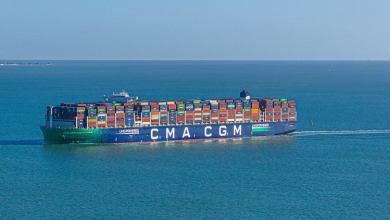
CMA CGM, like many other carriers, is reporting serious revenue loss. The North America president and CEO goes into detail with American Shipper and explains why the company is investing in more physical infrastructure.
This week, freight markets underwent a surprising rally that saw a wave of volumes sweep across the country.
Domestic manufacturers fail to inspire optimism, since they foresee major headwinds on output in the first half of 2024.
The upcoming months are littered with major holidays during which carriers can leverage seasonal constraints on capacity for higher spot rates.
Freight broker and carrier agents at PFQ Companies — carriers Pioneer Transport, Falcon Transport, Quaker Transport and brokerage Quaker Transportation — are thriving, having built businesses able to withstand market highs and lows.
Outside of the holiday rush periods, the fundamental lack of freight demand will continue to expose the lingering overcapacity in the market.
The impacts of double brokering are felt by carriers and brokers alike, disrupting operations and causing financial and liability risks for everyone involved.
Given the surplus of available capacity, shippers are more confident in switching to “just-in-time” freight strategies as consumer resilience remains an open question.
The nature of lithium-ion batteries — and the gasses they produce while burning — make it difficult for even the most prepared fire departments to extinguish these fires.
By next week, it is likely that actual freight flow will have finally risen on a yearly basis for the first time since May 2022.
While volatile markets are inherently difficult to navigate, they also provide an opportunity for enhanced relationship building between shippers and their transportation partners.
Consumer demand during the holiday season is expected to be relatively soft, which should temper expectations for a red-hot peak season in truckload markets.
Perhaps the most pressing question for both freight markets and the broader economy is how the consumer will fare in the coming months.
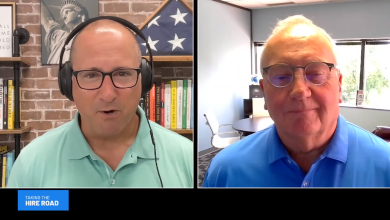
Gary Langston, president of the Indiana Motor Truck Association, joins Taking The Hire Road to discuss advocacy and the next generation of leaders in the industry.