Unpacking political action committees: Why are transportation PACs important?
Transportation PACs offer a way for trade associations — and the smaller companies they represent — to have a political voice, proponents say.
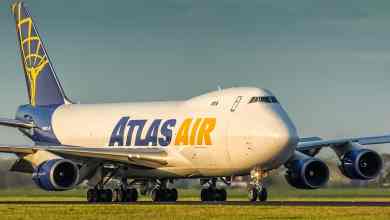
Atlas Air says it faced hardships during the coronavirus pandemic, making it eligible for emergency airline aid from Congress despite a massive growth in business.
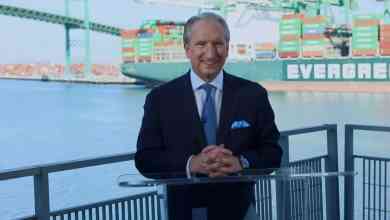
Gene Seroka says the “disruption and breakdown of the global medical supply chain” during the COVID-19 pandemic highlighted the need for change in the maritime sector.
The Freight RAILCAR Act would provide a tax credit incentive for railcar owners to upgrade or replace railcars to more fuel-efficient models.
The bipartisan bill seeks to streamline the application process and lower the application costs for a loan program for short line and passenger railroads.
As Congress and the White House consider short- and longer-term funding infrastructure needs, the railroads want to ensure that the rail sector is part of the discussion.
The current $61 billion set-aside for the domestic airline industry left out the forwarders.
Amazon is placing new grocery delivery customers onto wait lists as it seeks to shore up orders and deliveries for existing customers. Plus, traffic declines could jeopardize road projects, just-in-time delivery impacts resupply efforts and retail sales face a long slog back to growth.
Airlines were among the big industry winners when the smoke lifted and Congress finalized a $2 trillion economic stimulus package to deal with economic fallout from the coronavirus.
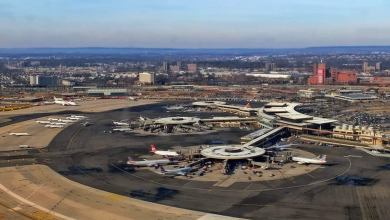
Airlines and airports have a symbiotic relationship, but there is tension over airlines’ interest in waiving airport charges and taxes during the pandemic recession.
Tariff Reform Coalition members want the Senate Finance Committee and House Ways and Means Committee to “exercise greater oversight and control” over President Trump’s tariff authority.
After 35 years representing the National Customs Brokers and Forwarders Association of America on Capitol Hill, Jon Kent has decided it is time to retire.
The State, Treasury and Commerce departments are ramping up to implement an Aug. 1 executive order from President Donald Trump that imposes a second round of sanctions against Russia.
A bipartisan deal on the table. Amazon and GM consider investing in electric pickup maker, Rivian. The volatility of spring markets. All this and more in today’s pickup.
Financial transactions within the U.S. maritime sector – including vessel loans and project eligibility – are on hold waiting for an end to the government shutdown.
FMCSA Administrator Raymond Martinez wanted to “fast track” the HOS rules changes – but the government shutdown is in the way.
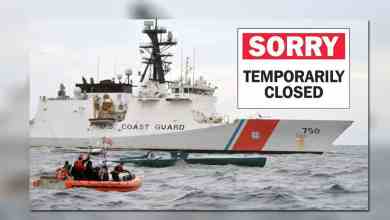
The government shutdown is forcing the U.S. Coast Guard to work without pay which could begin affecting freight operations.
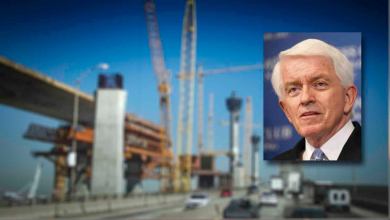
U.S. Chamber of Commerce president Tom Donohue threw down $25,000 for ideas on how to pay for infrastructure. And told Washington to open back up.
The Teamsters Union is relying on the new Congress to help stave off insolvency of its Central States Pension Fund.
Freight lobbyists are banking on leadership changes in the 116th Congress to pave the way for infrastructure financing that stalled during the first half of Trump’s administration.