




FBX Report: June 02, 2022
The Freightos Baltic Index (FBX) is the world’s leading—and most accurate—index of market rates for 40′ containers.
The Freightos Baltic Index (FBX) is the world’s leading—and most accurate—index of market rates for 40′ containers.

The number of container ships waiting off Los Angeles/Long Beach recently sank to 25, the lowest tally since July 2021.

Freightos, a backed by FedEx, is raising capital through a special purpose acquisition company and IPO.
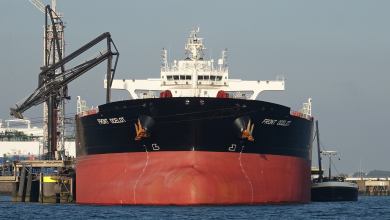
Without sanctions, tankers will keep loading Russian oil. ‘We’re not taking a moral high ground,’ says Frontline’s CEO.

Safety stats show resilience despite aging ships, cut corners on maintenance and rising pressure on seafarers.

It has been a terrible year for the stock market, a great one (so far) for product tanker and dry bulk shipping stocks.
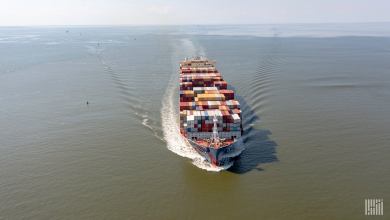
Megaships are helping cause our current supply chain chaos. Big container boats have hampered competition and clogged up ports.
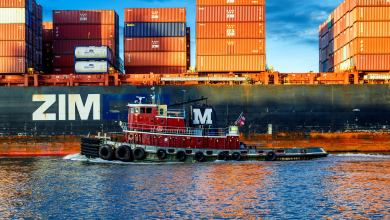
Zim continues to outpace growth rates of rival container shipping lines, but investor demand fears are on the rise.

Container shipping spot rates are easing, at least temporarily, and far fewer ships are stuck waiting off U.S. ports.

The Freightos Baltic Index (FBX) is the world’s leading—and most accurate—index of market rates for 40′ containers.
Ocean carrier Hapag-Lloyd sees consumer demand and spot rates slipping, with market highs in the rearview mirror.
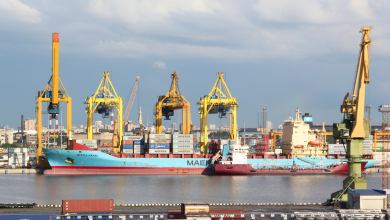
First came a pause in cargo bookings to Russia. Now, ocean carriers have halted almost all of their Russian port calls.

Shares of ocean shipping companies have given back much of their 2022 gains after another big sell-off.

‘Right now, we don’t see a huge buildup of volumes because of the closedown in Shanghai,’ reports Maersk CEO Soren Skou.
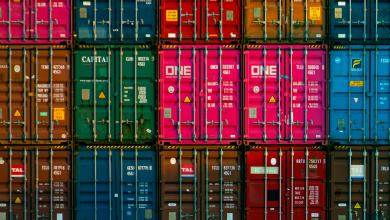
New container prices, new production, lease rates, lease durations and used container prices are all down.

The Freightos Baltic Index (FBX) is the world’s leading—and most accurate—index of market rates for 40′ containers.
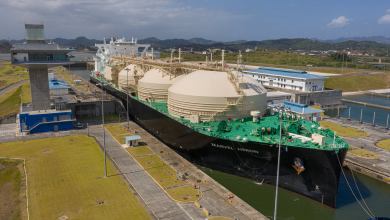
Container-ship transits of the Panama Canal are up as liners favor the East Coast. LNG transits are down as U.S. gas heads to Europe.

Craig Fuller explains the impact of higher diesel prices on the U.S. economy and consumers.
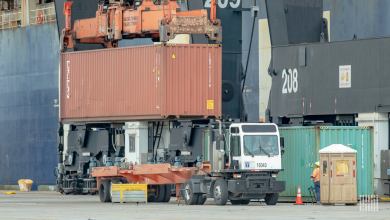
Gulf Coast ports got a boost in March from imports of steel and plywood, and exports of petroleum and crude oil.

New reports from Maersk, Kuehne+Nagel and Drewry point to an ongoing boom for container shipping lines.