




Daily Infographic: Steer Clear of Hiring Unqualified CDL Drivers!
Learn about how to make sure you’re hiring qualified drivers
Learn about how to make sure you’re hiring qualified drivers

Getting shippers to pay for drivers’ wait time could boost driver retention and improve safety, according to a trucking economics expert.

The order says tired drivers can’t be forced to work, but the definitions are vague.

The current rule can get a person qualified in a year; the ATA proposal has no firm time span.
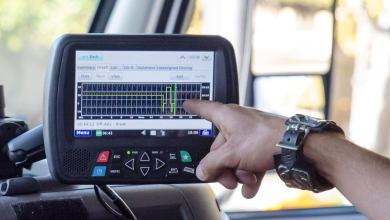
Owner-operators see a downside to keeping FMCSA’s emergency hours-of-service order in place.
The FMCSA has agreed to make changes to improve its oversight of state driver’s license agencies.
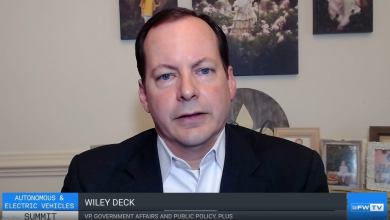
A patchwork of autonomous driving regulations at the state level are ready to move to a more coordinated effort at federal agencies, according to Plus’ Wiley Deck.

Federal regulators push for more data as automated trucking rolls from testing to reality.

FMCSA is proposing to revise rules for advanced driver-assist cameras.
The number of drivers prohibited from driving due to drugs matches an estimated shortfall of drivers needed to keep up with freight demand.
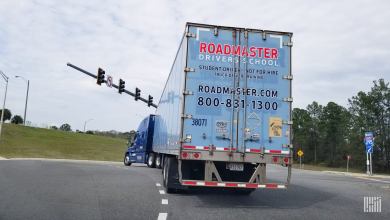
Trucking regulator responds to commenters seeking stronger interaction with industry before the entry-level driver training compliance date starts in February 2022.


The United States Cattlemen’s Association warns JBS hack could disrupt the meat supply chain without emergency work-hour changes.

President Joe Biden’s regulatory policy shift has wide-ranging implications for shippers and carriers.

President Joe Biden’s 2022 funding request of $676 million for FMCSA safety programs dropped 10% from 2021 levels.

Bipartisan legislation would limit truck speeds to no more than 70 mph.

FMCSA clearinghouse data reveals violations per number of employers within states.

The Biden administration is considering waiving the Jones Act in the wake of the Colonial Pipeline shutdown.

Independent truck dispatchers are pushing back on potential regulatory changes that could restrict their services.

Exemption applies to 17 states and District of Columbia