Sanctions are about to slam Russia’s still-booming oil export trade
The “shadow fleet” is not large enough to save Russian oil exports from Western sanctions, according to multiple analysts.


Rolf Habben Jansen, CEO of ocean carrier Hapag-Lloyd, gives his take on the “bullwhip effect,” rates and global trade.
Shipping lines face a minefield of surging capacity and sinking demand, but there is a path to safety, claims one industry expert.
Southern California ports are being hit by double-digit import drops as the COVID-19 cargo boom winds down.
As container shipping stocks get battered by collapsing rates, tanker shares could be poised for a long bull run.
Supply chain planners will walk a precarious path in 2023, according to S&P Global transportation expert Paul Bingham.
New disclosures by Asian ocean carriers confirm that container shipping lines remain extraordinarily profitable.
Demand for Asian goods began dropping earlier this year. This is now having a delayed — and highly negative — effect on U.S. imports.
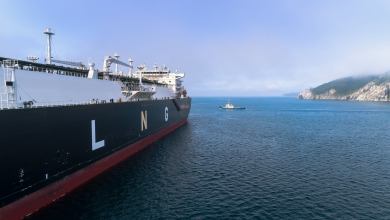
With war raging and pipelines sabotaged, shippers are paying astronomical sums to transport LNG across the oceans.
Measures of supply chain bottlenecks, cargo transit times, bookings and spot rates are all down, yet inflation remains historically high.
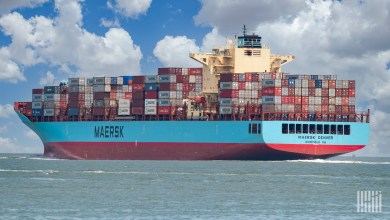
Supply-demand dynamics that supercharged pandemic-era rates are now “exactly the opposite,” says Maersk CEO Soren Skou.
The EU is going to ban imports of Russian crude and petroleum products. It still has a long way to go to find replacement supplies.
The G-7 plan to squeeze Russia’s oil profits hinges on the EU revising its own sanctions. Those revisions face opposition.
East and Gulf coast ports handled more volume than ever before in August, pulling far ahead of West Coast rivals.
Container lines are pulling back fast from the ship-leasing market, signaling less confidence in future freight income.
Container shipping rates — particularly from Asia to the U.S. — are still falling hard and show no sign of finding a floor.
U.S. containerized imports are still near record highs, but not in Los Angeles, where they’ve fallen sharply.
“Right now, shipping companies around the world are looking at this and scratching their heads,” says sanctions expert Bruce Paulsen.
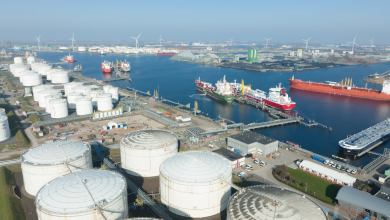
Tanker stocks are proving to be a shelter from the Wall Street storm as demand grows for ships that transport oil and natural gas.
Spot container rates for U.S.-bound cargoes are falling fast, yet import numbers at U.S. ports remain near their peak.