




Greg Miller
Wednesday, August 16, 2023
Shipping line Zim bets big on spot market as losses mount
Zim lost $213 million in the second quarter. Will rising trans-Pacific spot rates help it reverse course in the third?
Zim lost $213 million in the second quarter. Will rising trans-Pacific spot rates help it reverse course in the third?
Price caps have been breached, discounts on Russian exports are dwindling, and more money is flowing to Russian coffers.
Containerized imports are rising seasonally, as expected. This year is on track to top pre-pandemic volumes by low single digits.

Investors in Danaos thought they were buying a container shipping stock. Now they’re invested in dry bulk, too.
After double-digit gains since June, trans-Pacific spot rates have just surpassed contract rates, according to Xeneta data.
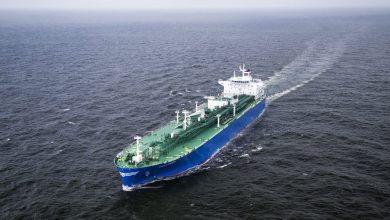
Asian demand for propane continues to build, as does US supply, equating to booming business for LPG tanker owners in the middle.
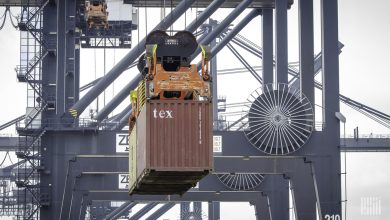
Shipping lines are seeing higher cargo volumes and successfully integrating newly built vessels into their fleets, says Textainer’s CEO.
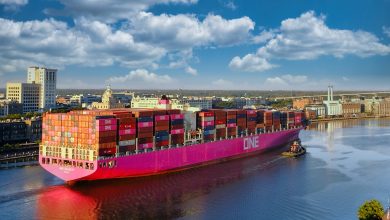
“It is extremely difficult to announce a reasonable business forecast at this time,” said ONE, citing container shipping market uncertainties.
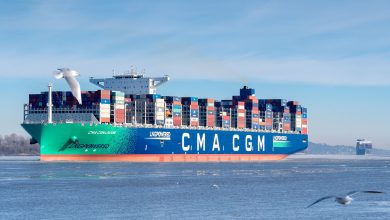
Because container liner profits plummeted off an extraordinarily high peak, some carriers are still posting hefty profits despite huge declines.

Despite ongoing controversy over shareholder treatment, analyst Michael Webber says shipping is doing a better job.

After rapidly expanding its fleet during the boom, ocean carrier Zim is backpedaling and shedding ships.
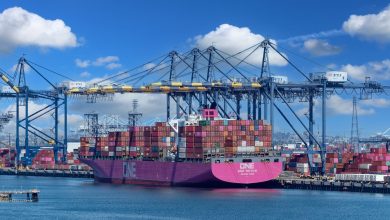
Container lines did not manage post-boom vessel capacity as well as expected. In the trans-Pacific, they may be belatedly getting the hang of it.
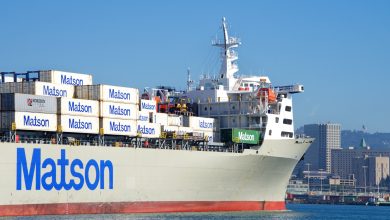
Expectations for peak season have waned, but container lines may have bounced off the bottom.

Spreads between high- and low-sulfur fuels are down to pandemic levels and LNG has become much more economical.
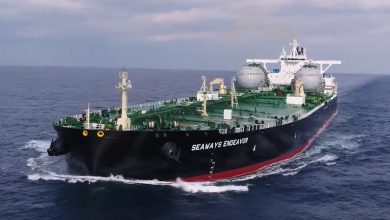
Shipowners have invested billions in the LNG fuel option in the belief that it will benefit regulatory compliance and the environment.
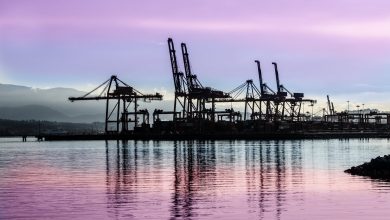
U.S. rail imports from Vancouver and Prince Rupert are imperiled again. ILWU Canada has rejected the proposed dockworkers contract.

Shipping stocks in sectors with high deliveries of new ships are doing better than those with low orderbooks.
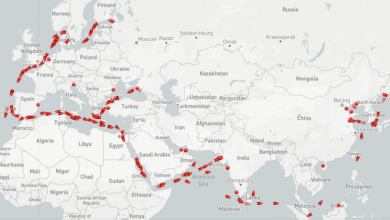
Tanker shipping sanctions compliance is getting a lot more complicated as the price of Russian crude oil rises.
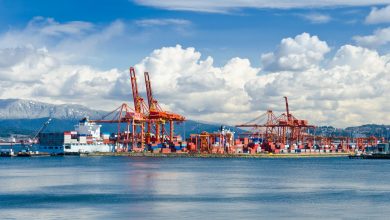
The extended strike in western Canada was beginning to affect U.S. supply chains. Its resolution limits the fallout.

Sulfur pollution addressed by IMO 2020 created a health risk, but that pollution had a cooling effect, which has now been reduced.