





Greg Miller
Monday, March 9, 2020
What crude price collapse means to ocean shipping
Here’s why tanker stocks are rising as the rest of the U.S. stock market is crashing.
Here’s why tanker stocks are rising as the rest of the U.S. stock market is crashing.
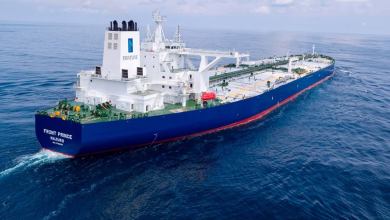
It has been a particularly rough start of the year for tanker stocks despite exceptionally strong results.
Chinese epidemic could curb ocean shipping demand.
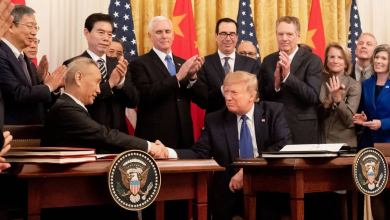
New pact is a plus for tankers, bulkers and box ships, but less so for equities.
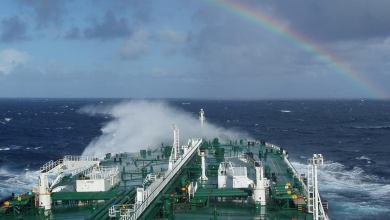
Tanker rates haven’t shot up further on new Iran tensions, yet they remain extremely high.

An exclusive interview with Scorpio President Robert Bugbee on shipping stocks and what lies ahead.
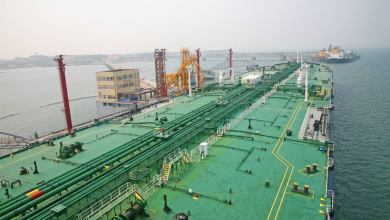
Crude-tanker rates are staying lofty for a prolonged period, proving that the October spike was no “one off.”

Improved shipping stock prices and heightened time pressure on private equity ship owners should spur more consolidation.
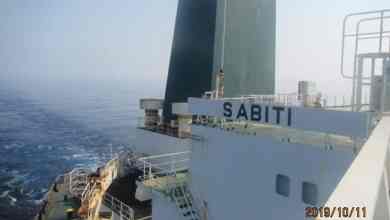
VLCC rates are reaching epic levels in the wake of an attack in the Red Sea on an Iranian Suezmax tanker.
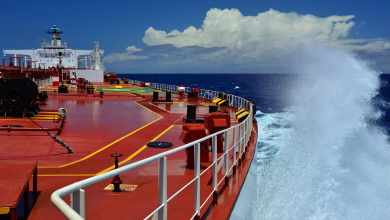
Crude-tanker rates have now reached levels not seen since before the global financial crisis.
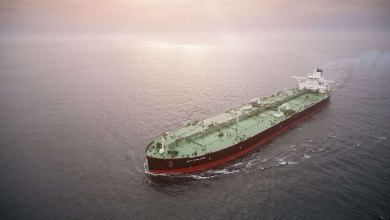
VLCC rates are now at or near $100,000 per day, courtesy of U.S. sanctions targeting China’s COSCO.
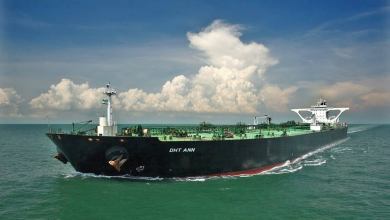
Crude tanker rates continue to surge, driven by geopolitical tensions. Meanwhile, container rates remain weak.
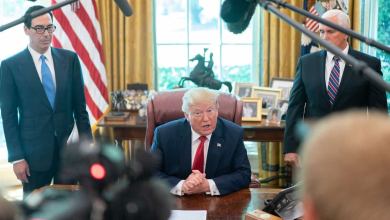
U.S. sanctions targeting a subsidiary of China’s COSCO Shipping could have far-reaching consequences.
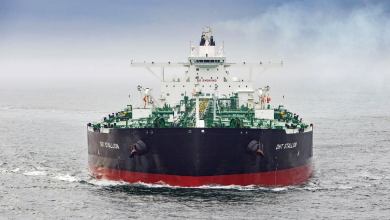
This week, VLCC tanker rates are rising, whereas both trans-Pacific box rates and Capesize bulker rates are slipping.
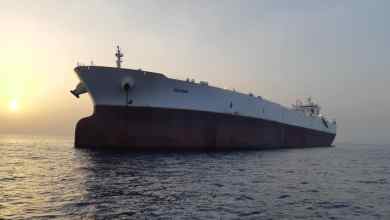
Tanker major Euronav has revealed new details on its strategy to counter IMO 2020 risks.
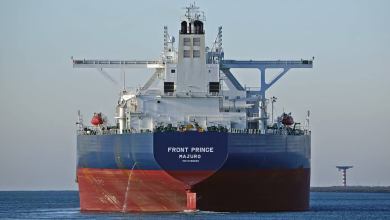
John Fredriksen’s shipping companies are increasing their exposure to IMO 2020 market effects.
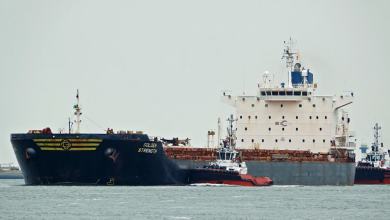
Golden Ocean could be a trendsetter, buying a stake in a marine-fuel operation to offset IMO 2020 price and availability risks.

Can listed shipping shares break out of their slump before the U.S.-China trade dispute is resolved?

Geopolitical risks are escalating, increasing the risk for petroleum shipments transiting the Strait of Hormuz.
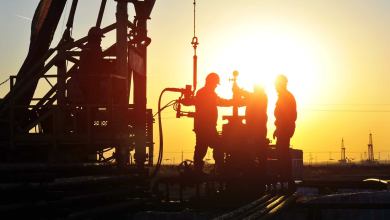
If U.S. crude output were to lose momentum, it would be felt by tanker owners much more so than before.