Charter rates for larger box ships outpace smaller classes
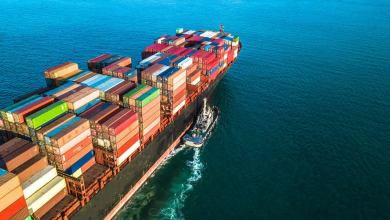
Large ships may provide liner operators with economies of scale, but they are proving more expensive in the chartering market.

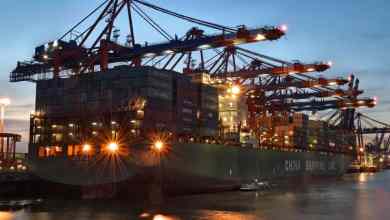
NYSE-listed Diamond S Shipping brings an experienced management team back into the public arena.
Danaos CEO does not believe trade dispute will cut box-ship ton-mile demand.
China’s new list more than doubles the tariff on LNG, but it’s the dry bulk stocks that are feeling the pain.
In its first full quarter since repurchasing its spin-off, Navios Acquisition moved to lower its fleet age.
Shipping’s ‘trade war’ equation is not measured in tons at sea, it’s measured in tons times miles at sea.
There are reasons to be optimistic about rates in both the crude and product tanker sectors – and INSW’s fleet spans both categories.
Crude tanker owner DHT Holdings believes the stage is now set for a pronounced upswing in rates.
It’s rough out there in the dry bulk ocean shipping business. New York-headquartered Genco Shipping & Trading (NYSE: GNK) posted a net loss of $7.8 million in the first quarter of 2019, compared to a net loss of $55.8 million in the same period last year, when losses were driven by a non-cash impairment charge. […]
IMO 2020 is will increase demand for distillates and put upward pressure on diesel. How should truckers prepare?
NASDAQ-listed Eagle Bulk believes its ‘owner-operator’ model allows it earn more than ‘pure owner’ competitors.
NYSE-listed Global Ship Lease is reporting improved conditions in the container ship chartering market.
Stocks of publicly listed ship owners, particularly in the dry bulk sector, are feeling the fallout of trade tensions.
Public ship owners like Navios Partners saw rates fall due to cuts in Brazilian iron-ore exports.
Executives at GasLog Ltd. believe the LNG shipping spot market is set to rebound. Others are not so sure.
According to Seaspan Corporation, the largest U.S.-listed container-ship lessor, liner companies are pulling vessels from service to install scrubbers, which is increasing demand for new charters.
Momentum is building to limit the speed of ocean-going vessels to curtail harmful emissions. The debate will focus on how this could impact charter rates, and whether it could have the unintended consequence of creating even more emissions-generating ship capacity.
NYSE-listed Scorpio Tankers has returned to profitability and its scrubber-installation program should position it to take advantage of the looming IMO 2020 rule.
So far this year, there has been heightened refinery downtime for maintenance and upgrades, but the tide is expected to turn in the second half, to the benefit of product-tanker rates.
Tanker companies like Euronav expect to see financial benefits from impending environmental regulations, which will change the type of fuel burned at sea and could eventually limit how fast ships can go.