




Greg Miller
Tuesday, April 4, 2023
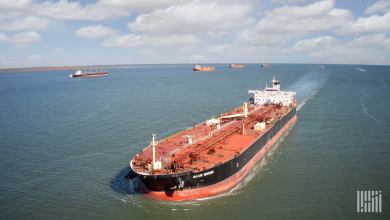
OPEC+ throws tanker shipping a curveball, shaking confidence
Crude production cuts are inherently bad for tanker shipping, but analysts are downplaying the fallout.
Crude production cuts are inherently bad for tanker shipping, but analysts are downplaying the fallout.
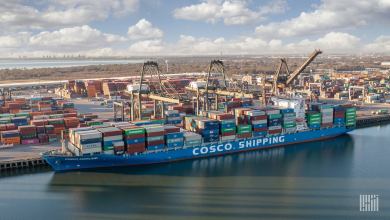
The trend in container shipping is summed up by the adage, “The higher you climb, the further you have to fall.”
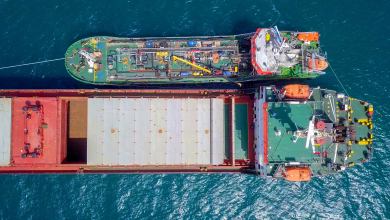
Surging costs after Russia’s invasion of Ukraine could be a taste of things to come as shipping transitions to more expensive “green” fuels.

The lineup of shipping stocks is in flux. There are multiple new listings as well as notable departures.
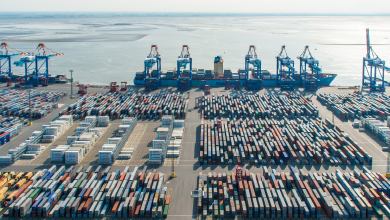
A fifth of U.S. containerized imports come from Europe. Shipping on this route remains much more expensive than it used to be.
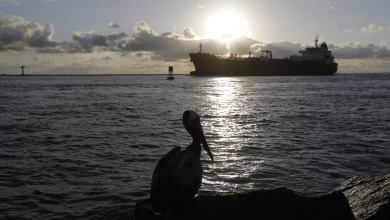
Container shipping just experienced a record boom. Some believe crude and product tankers are poised to follow suit.
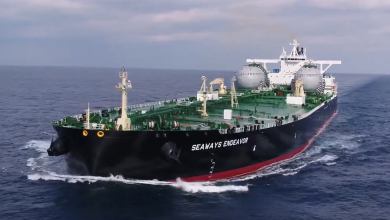
Shipowners say they won’t order expensive new dual-fuel tankers without charters. They’re not getting charters, so they’re not ordering.

Flexport projects trans-Pacific contract rates will decline around 70% from 2022 levels but still be around 30% above current spot rates.

U.S. importers have forsaken their traditional gateway in Southern California. Many may be gone for good.
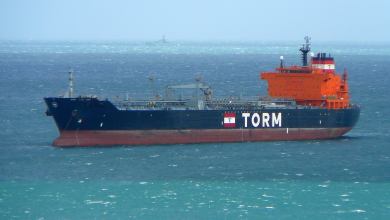
Tanker capacity for diesel is already tight amid war fallout. With very few ships on order, future transport capacity could fall short.

Quarterly net losses could be around the corner for container lines, but EBITDA will stay high even if carriers dip into the red.
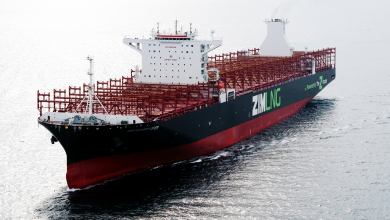
Shipping line Zim could face net losses in the quarters ahead, yet it has a hefty cash cushion to soften the blow.
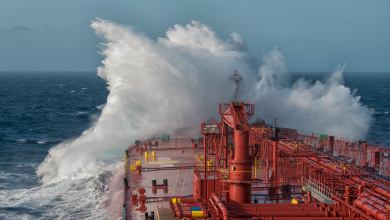
With virtually no new ships on order and demand strengthening, the tanker business seems poised for a bull run.
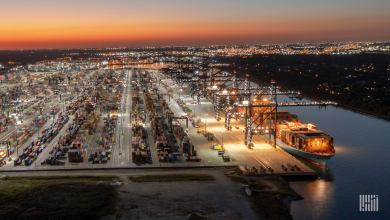
U.S. businesses overshot in 2022, importing way more than they needed. The hangover is in full swing, depressing 2023 imports.
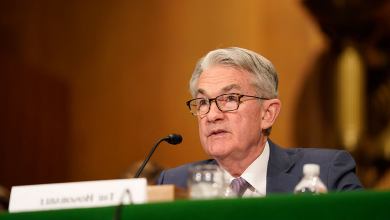
Supply chain issues are in the rearview mirror for Fed inflation policy, but for importers, there’s still room for improvement.

Container lines are unable to prop up rates because they haven’t culled enough capacity to compensate for weak demand.
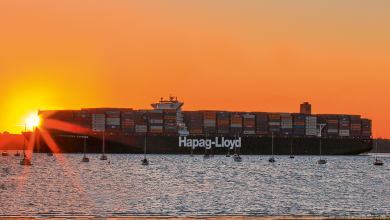
Shipping lines like Hapag-Lloyd have suffered sharp rate falls from the peak, but they’re nowhere near financial distress.
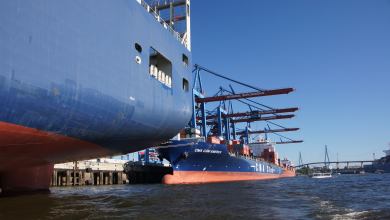
Charter rates are far below the peak but higher than pre-COVID as liners continue to sign new container-ship leases.
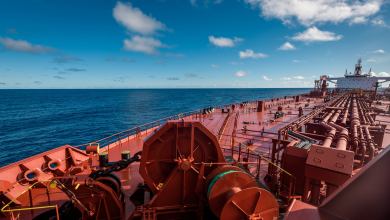
Larger crude tankers are moving more U.S. exports on shorter voyages to Europe as long-haul volumes to China stagnate.

After a year of sanctions and “self sanctions,” shipping cargoes caught in the crossfire continue to find their way to buyers.