




Kaylee Nix
Wednesday, August 11, 2021
Hyundai’s COVID strategy — Transmission
How did Hyundai survive and advance through the pandemic? Find out on this episode of Transmission.
How did Hyundai survive and advance through the pandemic? Find out on this episode of Transmission.

Lyft riders in Miami will be able to choose a self-driving car later this year through an agreement with Ford and autonomous-tech company Argo AI.

After a slow start, Morgan Stanley sees the urban air mobility market quickly accelerating after the year 2040, growing from a $1.5 trillion market size to more than $9 trillion in 10 years.
The semiconductor chip shortage continues to be the dominant news item in the automotive supply chain world. Not that anyone is surprised by this anymore. The NTEA, the association for the work truck industry, said in its May 2021 edition of NTEA News that it expects the semiconductor chip issue to cause some sort of […]
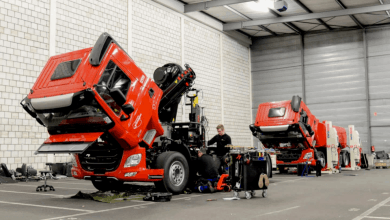
Hyzon Motors plans to deliver the first of 15 hydrogen-powered fuel cell trucks in the Netherlands in Q3, further establishing Europe leadership.
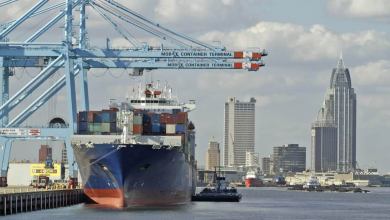
More and more beneficial cargo owners (BCOs) are moving manufacturing and warehousing to Alabama.

Tesla has shut down production of its California assembly plant for two weeks due to a variety of supply chain problems. Should there be concerns over the true demand for Tesla vehicles?

A ransomware gang has leaked data related to Hyundai Motor America’s logistics operations after an apparent ransomware attack on the automaker and subsidiary Kia Motors America.
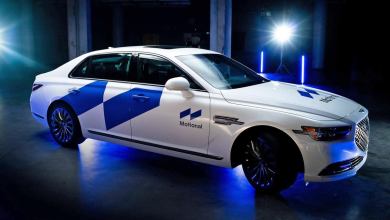
Motional, the Hyundai-backed autonomous vehicle developer, announced that it is now testing vehicles with no driver in the seat.
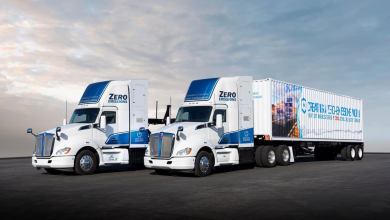
Hydrogen-powered fuel cells always seem to be five or 10 years from a meaningful presence on the transportation stage. That may finally be changing.

It’s a difficult task selling new vehicles when lot inventories are thin. However, with the right strategy, dealers can overcome disruptions in the automotive supply chain.

As rideshare has plummeted because of the COVID-19 pandemic, Lyft has had to chart a new path forward in the next decade. That path features a reliance on autonomous vehicles and e-commerce deliveries.
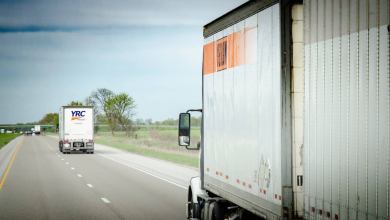
In today’s edition of The Daily Dash, a pension bailout bill that would affect Yellow and ABF Freight drivers could be near in Congress. Plus, XPO posts a record quarter and Uber Freight’s growth continues.
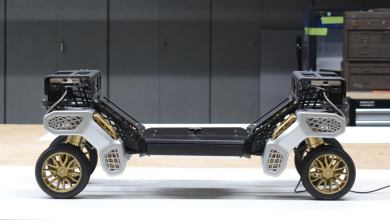
Hyundai’s concept vehicle TIGER represents the automaker’s vision of last-mile delivery in both urban and remote environments.
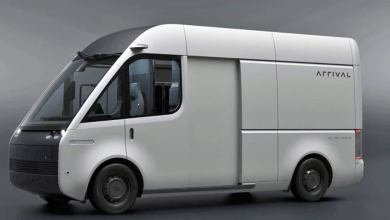
U.K.-based Arrival picks Charlotte, North Carolina, as its North American headquarters. It’s a 30-minute drive from its planned microfactory in South Carolina and close to UPS, a major customer for its electric vans.

While critics who oppose the USMCA believe this deal will ultimately disincentivize automotive companies to keep manufacturing facilities in North America due to an increase in production costs, there are strong country-of-origin protections in place that we believe will intensify North American automotive production.
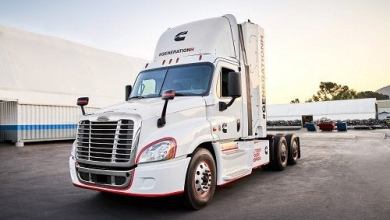
From trains to trucks to data centers, Cummins Inc. sees $400 million in revenue from hydrogen-making electrolyzers in 2025 as it pursues green hydrogen from renewable sources like solar and wind instead of gray hydrogen made from natural gas.
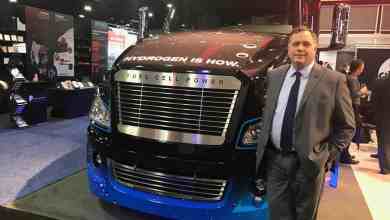
Engine maker Cummins is working with Navistar to develop a Class 8 hydrogen fuel cell truck that carrier Werner Enterprises will put through its paces as fuel cells continue to find favor in the future of long-haul trucking.

A look at how college English major Amy Davis navigates hydrogen fuel cells and other alternative energies at Cummins, the trucking industry’s top engine maker.
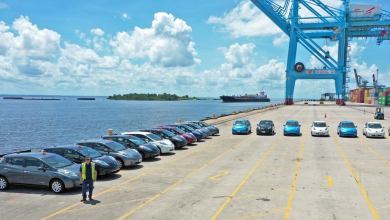
Two logistics parks are in operation nearby and more are to come in Alabama.