




IMO
FreightWaves Staff
Wednesday, October 2, 2019
Liner customers “bewildered” by new low-sulfur fuel charges
From Oct. 1 new low-sulfur fuel charges are being levied by some container lines with more to follow through Q4. Use of the fuels is not mandatory until January 1, 2020.
FreightWaves Staff
Friday, September 13, 2019
Zero-carbon shipping will double freight rates
Higher transport costs are a price worth paying to cut carbon emissions, says a U.K. government energy czar. Ship owners beg to differ.
FreightWaves Staff
Wednesday, September 11, 2019
Shipping coalition takes aim at IMO 2020 fuel preparations
BIMCO, ICS, INTERCARGO and INTERTANKO call on charterers, bunker suppliers and nation states to “double their efforts” to ensure a smooth transition to low-sulfur fuel.

Chris Dupin
Wednesday, August 7, 2019
Seaspan: Containership demand cushioning trade war impact
Seaspan says high demand for containerships has shielded it from the U.S.-China trade war.

FreightWaves Staff
Tuesday, June 11, 2019
Port Report: Maritime firms ask where they fit with robotic ships
Autonomous shipping is slowly gaining greater attention in the maritime industry, prompting more industry players to figure out where they will fit in what may be the future of ocean freight. As FreightWaves reported, Norwegian fertilizer manufacturer Yara International is still about a year away from testing and operating a fully autonomous container ship, the […]

FreightWaves Staff
Thursday, June 6, 2019
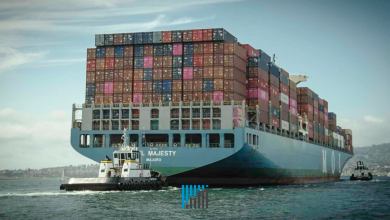
Revolution for inland shipping depends on the success of the Yara Birkeland
The autonomous ship, the Yara Birkeland, will provide the blueprint for the operation of autonomous vessels on European and U.S. inland waterways.
FreightWaves Staff
Wednesday, May 29, 2019
Box shipping faces costly challenges and margins could slump as a result
IMO 2020, the scrapping of the shipping lines’ block exemption on alliances and new players in the market could see major changes to the container shipping market over the coming 10 years.

FreightWaves Staff
Wednesday, May 22, 2019
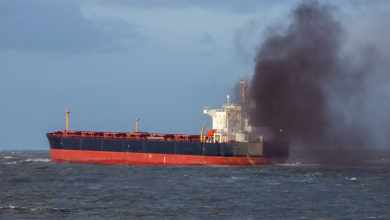
IMO’s Feng Shui cannot hide the paucity of its climate response
Current International Maritime Organization policies are not sufficiently stringent to meet mounting climate change concerns.
FreightWaves Staff
Monday, May 20, 2019
IMO sets new GHG targets and sets scene for sulfur cap implementation
The Sulfur Cap and a reduction in carbon emissions are high on the agenda for the International Maritime Organization in 2019.

FreightWaves Staff
Monday, May 13, 2019
IMO 2020 debate starts with heated exchange on testing regime for new regulation
Delegates at the International Maritime Organization’s meeting on the marine environment have started their week long meeting that includes discussions on the implementation of the IMO 2020 sulfur cap, with a lengthy debate on process following interventions that sought to maintain a second test on marine fuel to ensure that it meets the new sulfur […]

Greg Miller
Thursday, May 2, 2019
Would shipping speed limit spur emission cuts, ‘haywire’ markets or both?
Momentum is building to limit the speed of ocean-going vessels to curtail harmful emissions. The debate will focus on how this could impact charter rates, and whether it could have the unintended consequence of creating even more emissions-generating ship capacity.

Greg Miller
Tuesday, April 30, 2019
Euronav sees tanker rate upside from IMO 2020 and ‘speed limit’ plan
Tanker companies like Euronav expect to see financial benefits from impending environmental regulations, which will change the type of fuel burned at sea and could eventually limit how fast ships can go.

John Gallagher
Monday, April 1, 2019
IMO 2020 “cheating” still a wildcard for bunker fuel prices
EIA still sees no uniform international policy on how the IMO 2020 regulation will be enforced.

FreightWaves Staff
Wednesday, March 6, 2019
BLOC pioneers blockchain-based biofuel supply chain tracking for the maritime industry
BLOC recently collaborated with mining company BHP, Japanese shipping company NYK, and biofuel company GoodFuels, to deliver sustainable biofuel to the BHP-chartered, NYK-owned bulk carrier – all via BLOC’s blockchain fuels assurance platform.
FreightWaves Staff
Wednesday, February 20, 2019
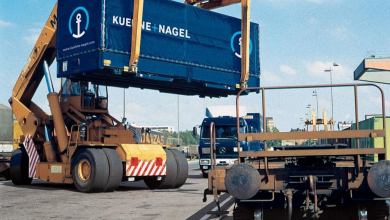
Port Report: Kuehne + Nagel looking to offset shippers’ risk from IMO 2020 switchover
Largest ocean freight forwarder sees fuel bills increasing as much as 50 percent based on current price spreads.

FreightWaves Staff
Wednesday, February 13, 2019
Schulte Group acquires majority stake in TecHullClean Limited
The Schulte Group has acquired a majority stake in TecHullClean Ltd. (THC). Schulte said in a press release that the acquisition will expand the range of its underwater ship inspection, repair and maintenance (IRM) solutions.
FreightWaves Staff
Wednesday, January 23, 2019
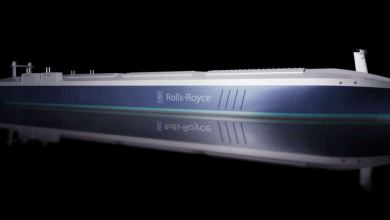
Shipping innovation is moving faster than regulation
Autonomous shipping is moving faster than regulators can regulate with the expectation that the first fully autonomous container ship will start operations in Norwegian waters by 2020.

FreightWaves Staff
Tuesday, January 8, 2019
New Shipping Regs Pave the Way for Low Sulphur Fuel Regulation in 2020
Costs for transporting cargo by sea could increase substantially with the introduction of emission control regulations on 1 January 2020. Precursor rules are already being enforced from this January. Regulations could push the cost of fuel and the costs associated with complex new technology significantly higher that could be passed on to shippers.
John Kingston
Tuesday, September 25, 2018
Create some safety valves for the new clean fuels rule on ships, or watch Trump erupt: energy economist
The scenario laid out by a leading energy economist is that the market needs a way to soften the blow of higher oil prices that would be spurred by the new environment rule.