Air cargo picked up in May, demand still weak
Glass half empty – cargo business and finances are bad for the airlines. Glass half full – they’re not as bad as they were two months ago.
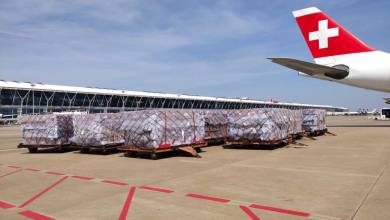
Winter is a cold period for airlines’ bottom lines. Throw in COVID-19 challenges and airlines face a difficult road to next year. That is why they are knocking on doors for help.
Airlines continue to send out SOS distress signals. The industry’s main trade association says profit margins will drop 20% this year, but the increased reliance on air cargo is helping companies stay alive and keep employees.
The airfreight market is a volatile conundrum. Overall, demand is down. But with few planes flying these days and everyone wanting a face mask, good luck finding affordable space for your shipment of auto parts or seafood.
Airlines are in a no-win situation. They need money now to keep from going under but know that debt payments will make it more difficult to make ends meet in the years to come.
“We remain committed to achieving our aggressive climate and sustainability goals,” said Nancy Young, Airlines for America’s vice president of environmental affairs.
The Chinese government is using the reason “Acts of God” to void many contracts due to coronavirus. Darren Prokop explores whether that is hurting current trade and will impact trade in the future.
Advocates for rules exemptions characterize freighters as mission-critical for delivering medical supplies and feeding the public.
Charters between Germany and China rise as logistics provider readies for “whatever happens” in coming weeks.
The travel and hospitality industries are getting battered by falling demand for their services as the coronavirus spreads. Less economic activity and aircraft capacity hurts shippers too, who can’t sell or ship as many goods.
Airlines are at the mercy of the coronavirus. About the only thing they can do is try to reduce operating costs and preserve cash flow until people are willing to start traveling again.
2020 is shaping up to be a difficult year for the airline industry because of the coronavirus and uncertainty over when demand for China travel will pick up once the outbreak has subsided.
E-commerce is putting pressure on airlines, postal services and customs administrations to move large volumes of letters and packages, while also trying to catch counterfeit goods and ensure security.
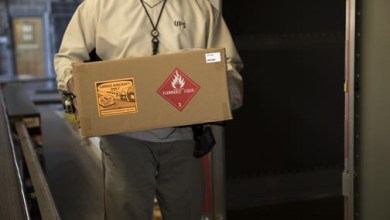
The FAA says UPS didn’t comply with hazmat rules for air transport when it didn’t make sure a shipment it received was safe to fly.
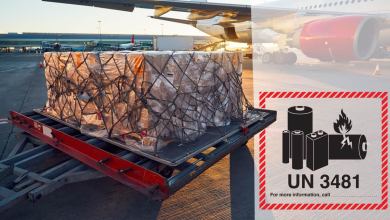
Misdeclared cargo is a big problem for air carriers when it comes to dangerous goods like lithium batteries. Regulators are too complacent when it comes to enforcement, airfreight industry groups claim.
Temperature-sensitive cargo like meat can be exposed to warm air and other environmental conditions during transfers and storage without good logistics management procedures.
Peak season is more like a mini-peak this year for air cargo.
Zoos and aquariums rely on the expertise of logistics professionals to safely and humanely relocate live animals
A hard departure from the European Union will hit availability of fresh foods and increase costs as British supply chains contend with port delays and backlogs, industry group says.
While the passenger side has been experiencing growing demand, the industry’s overall profitability is still being dragged down by the smaller cargo side.