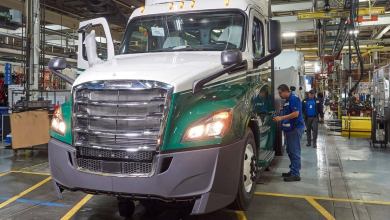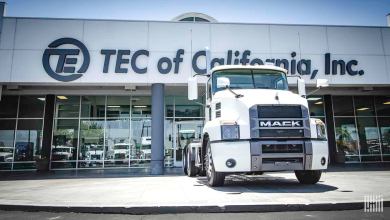
Flush with new models, PACCAR posts strong first-quarter financial results
PACCAR puts up strong Q1 numbers, including record parts sales that suggest the new truck backlog is boosting aftermarket sales.


July supply chain survey confirms torrid pace of logistics recovery as transportation capacity remains in short supply and rates bound higher.
Walmart’s fiscal second quarter comes in well ahead of analyst expectations as e-commerce sales surge. The COVID-related inventory drawdown is a positive for trucking.
Navistar included only one full month of impact from the COVID-19 pandemic in its loss-making second quarter. How bad will it be for manufacturers who report on a traditional April-June quarter?
Near-shutdown of Class 8 truck production in May resulted in stagnant orders as COVID-19 lockdowns took hold.
Swollen inventories of heavy-duty trucks must shrink or manufacturers will need to cut production further to keep the industry order bank from declining further, ACT Research says.
A slower year of trailer production is expected as the equipment backlog waiting to be built fell in 11 of 12 months in 2019.
2019 is shaping up to be the worst year for trucking in the past five years.
Exports improve sequentially, raw materials price ease again.
New orders bounce significantly, raw materials prices fall.
Growth in the US economy slowed slightly in the third quarter of the year, but remains strong headed into the end of 2018 and consumers and inventory building carried the load.
Freight conditions generally held solid during the month despite some softening in the manufacturing sector. With economic fundamentals largely in place, the focus has shifted to trade policy, where trade war escalations threaten domestic activity.
A monthly synopsis of events and results in the macroeconomy from the past month and a discussion of implications for freight markets going forward. Results released in March were generally more favorable than the previous month and suggests that freight demand should remain strong going forward.
Inventories picked up in January, but low inventory/sales ratios mean that carriers with remain under pressure to hit tight deadlines.