





Todd Maiden
Wednesday, October 2, 2019
Third quarter carload declines worst yet in 2019
Heading into earnings season, the railroads clearly have a revenue headwind as carloads declined again in the latest week.
Heading into earnings season, the railroads clearly have a revenue headwind as carloads declined again in the latest week.
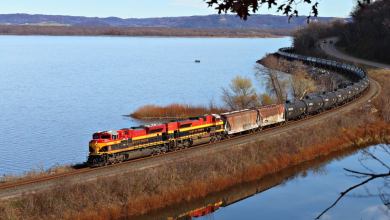
The railroad, which has dedicated operations in Mexico, has invested in capital infrastructure related to energy.
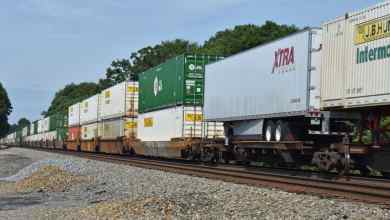
Market Voice Jim Blaze writes about rail intermodal and what is happening to this area of the railroad sector.
Passenger train proposal asks for comment on freight requirements as well.
The railroad said second quarter revenue totaled $714 million, a 5 percent increase from $682 million for the same period in 2018.
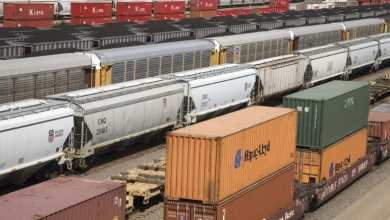
Rail volumes were off again for the week ending June 29, 2019 with U.S. railroads reporting a 5.5 percent decline.
Rail union workers are at odds with other members of the freight rail industry over how cross-border rail operations are run at Laredo, Texas.
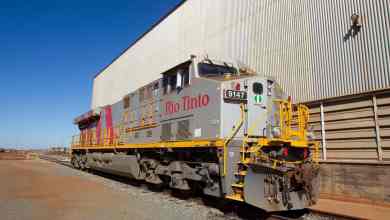
Autonomous trains might be fully running in remote Australia, but it will take awhile before those kinds of trains will be rolling down the North American countryside.
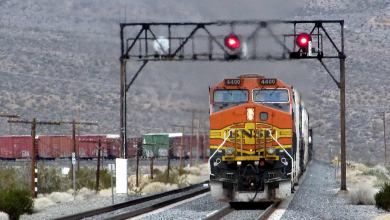
The transition to e-commerce and anticipated advances in automated trucking are forcing the freight railroads to adapt to supply chains that require railroads to be more responsive and nimble. One way that the railroads are seeking to address this challenge is by hiring executives outside of the railroading community, in the hopes that placing a non-rail executive in a leadership role will help the railroad weather systemic changes within the supply chain.
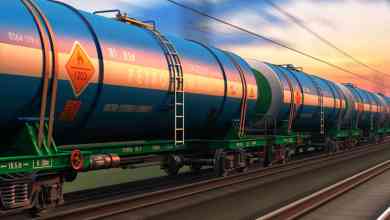
Railroad market expert Jim Blaze writes about the movement of chemicals by rail and how that sub-set of railroad traffic is profitable and may grow significantly in the near future.
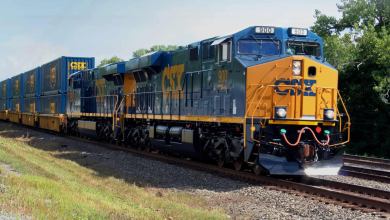
“It’s just a confusing time for all of us in transportation and anybody in manufacturing or business in general to have a really good sense of why we’re seeing this kind of softness,” said CSX chief executive officer Jim Foote.

e railroad industry is “concerned” about a possible disruption of the North American supply chain should the U.S. impose tariffs on imports from Mexico. But for now, the rail industry is taking a wait-and-see stance.

While the degradation was seen across most sectors, the transports are seeing outsized declines.

Only 17 percent of the relationships between the U.S. passenger and freight railroads required to utilize positive train control technology have interoperability, meaning that the host railroad can communicate with a non-host train through the technology, according to data released by the Federal Railroad Administration.
“The board has the authority to define reasonable practices. If you were in our shoes, what would you do?” said Surface Transportation Board vice chairman Patrick Fuchs to a panel representing BNSF, Canadian National and Canadian Pacific.

Rail congestion in regions such as Chicago and Houston may have eased for now, but the railroads will still need to find ways to increase capacity at those busy city locations as the U.S. population grows, Class I railroad executives said at an investor conference this week.
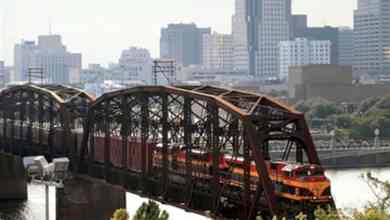
Kansas City Southern (NYSE: KSU) said its first quarter 2019 net profits rose nearly 16 percent amid its ongoing transition to precision scheduled railroading (PSR).

Chemical hazmat shipments figure prominently on newly created committee within U.S. Transportation Security Administration.
Precision scheduled railroading (PSR) could benefit customers and shippers, but its deployment pace and how shippers respond to changes will be key to its success, panelists said today at the North East Association of Rail Shippers conference in Baltimore, Maryland.
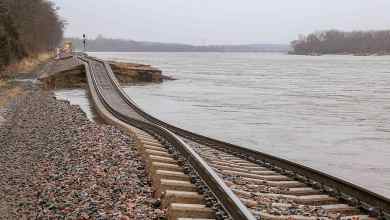
U.S. rail volumes fell again last week as rail service issues continue to plague the post-flooding Midwestern landscape.