FedEx orders 1,000 Chanje electric vans from Ryder
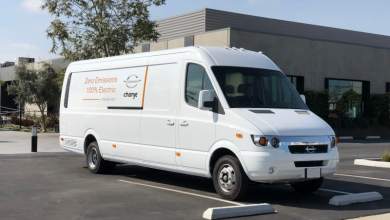
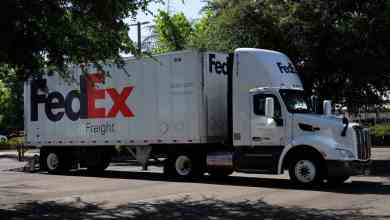
FedEx is expanding its alternative-fuel vehicle fleet with 1,000 electric vans from Chanje Energy, to be delivered over the next two years.
Operations to vary depending on pilot markets.
Pilot underway in Dallas-Ft.Worth market.
Amazon came out on top according to the judges in FreightWaves’ Research Institute’s inaugural Freight.Tech 25, which identified the most disruptive and innovative companies in the freight space.
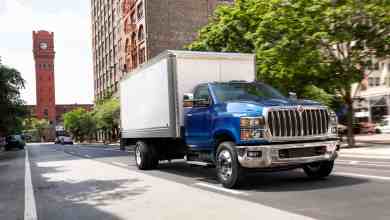
International’s new CV Series of Class 4-5 trucks is designed to help smaller companies scale and give larger fleets the opportunity to expand their businesses with one truck maker.
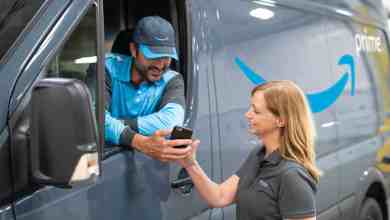
As more delivery companies join Amazon partner program, speculation mounts about the e-giant’s transportation and logistics grab
On Monday, November 5th, UPS returns to its pedal power origins with a year-long pilot project that will make deliveries using electric-assist cargo bikes in downtown Seattle.
When you consider all the implications of the service, it may be one of the biggest deals happening in the industry that you haven’t heard about.
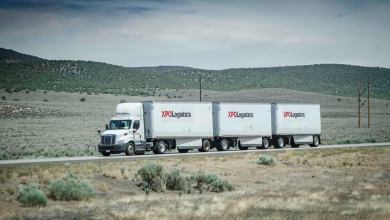
Rating agency Moody’s Investors Service said it upgraded its ratings on about $3.2 billion debt issued by XPO Logistics, Inc., (NYSE: XPO) citing a “positive operating environment” in 2019 for transport and logistics companies, as well as XPO’s strong performance.
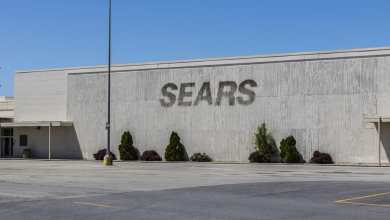
Sears was also a pioneer in all things omnichannel and what we now call last mile. Why did they fail to innovate this time around?
Home Depot is Uberizing same and next-day last mile delivery with two startups backed by UPS. It’s part of Home Depot’s $1.2B investment to makes its supply chains faster and more efficient.
Readers of the printed newspaper are on a decline. It is essential that distribution companies that cater to this audience adapt to change, and optimize their logistics processes to increase profits.
In September 2017, IKEA Group was one of the first to join EV100—a global initiative created by The Climate Group—and now, a year later, IKEA Group has announced their commitment to moving toward zero emissions deliveries in 5 major cities by 2020.
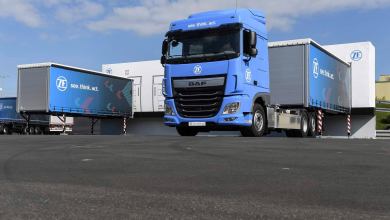
ZF, the German automaker has released innovative trucks that can load and unload at the warehouse and last-mile electric delivery vans with level 4 autonomy.
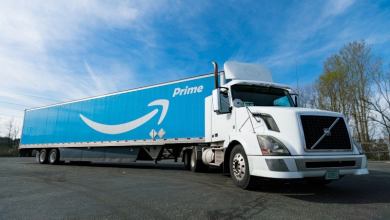
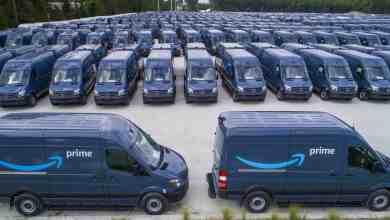
Amazon is scaling up its asset side on both last mile delivery and linehaul, pursuing a low-cost strategy of leased vehicles, independent contractors, and power-only deals with enterprise carriers.
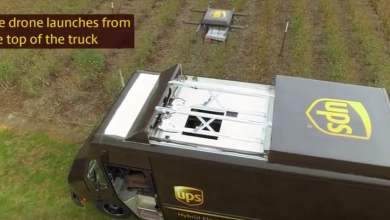
Drones may someday soon become a primary delivery method of last-mile, but they likely won’t be the only solution, as flexibility in methods will be key to successful delivery.
Consumer expectations with regard to last-mile delivery have been evolving rapidly, and businesses need to look towards technology to address those needs.
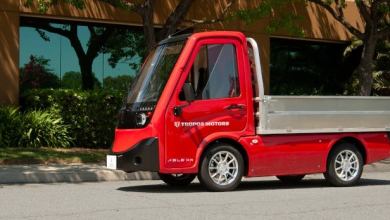
Low-speed vehicles are not often considered when companies are looking for commercial vehicles, but upgrades to a line of electric compact utility vehicles could change that.
The swiftness of last-mile delivery is what separates e-commerce brands from each other, and technology adoption would go a long way in optimizing their supply chains.
A big reaction to a local battle over parking, a market index looks strong, a unionization vote in the last mile.