Heavy.AI CEO: Use AI to solve business problems, but not all problems
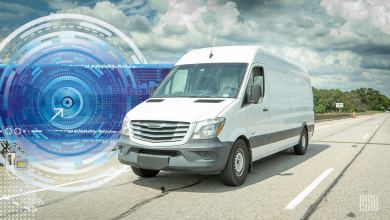
Use of AI in the e-commerce supply chain needs to be targeted or the issue of too much data will overwhelm businesses.

As part of FreightWaves’ The Future of Supply Chain event, QuickLoadz will demonstrate the way it can change how we move shipping containers.
The pandemic and the supply chain crisis was a one-two punch for United Road Services, the car hauler that moves 4 million vehicles a year.
The ports of Los Angeles and Long Beach began charging diesel-powered drayage trucks $10 per unit entering and leaving the ports
Record cargo revenue motivates investment in dedicated aircraft, cold storage and IT systems
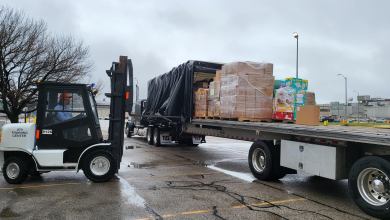
Winter storm damage and inflation have some transportation-sector nonprofits scrambling for disaster relief supplies.
Big Brown is going small in test of e-cargo bikes
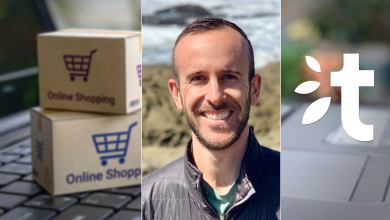
The CEO and co-founder of Treet answers questions about his resale platform and the growing recommerce industry.
See how much a single rail car can carry
Trips include driving, rail, transit and air
Freight Intel brings all shipping activities onto one platform, allowing shippers to access all their data in seconds.
Drone company and restaurant partner Brinker International launch delivery service in Granbury
The Freightos Baltic Index (FBX) is the world’s leading—and most accurate—index of market rates for 40′ containers.
Georgia governor hails project to ‘provide the infrastructure our economy needs to thrive’
The United States has imported a relatively small share of crude oil from Russia, but U.S. imports of petroleum products from Russia — namely, unfinished oils and fuel oil.
DDC Sync allows drivers to use a mobile app with intuitive smart capture to instantly take high-quality images of bills of lading (BOLs) that are then processed with the driver’s terminal staff or operation staff of DDC.
The average percentage of ocean carrier invoices with missing or wrong information jumped from a historical average of 18% to over 45% in 2021.
E-commerce is undergoing a metamorphosis thanks to online grocery shopping