




Kim Link Wills
Tuesday, June 22, 2021
Hapag-Lloyd orders 6 more 23,500-TEU ships at cost of $852M
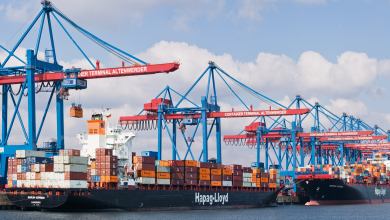
Hapag-Lloyd now will add 12 23,500-TEU container ships to its fleet beginning in 2023.
Hapag-Lloyd now will add 12 23,500-TEU container ships to its fleet beginning in 2023.
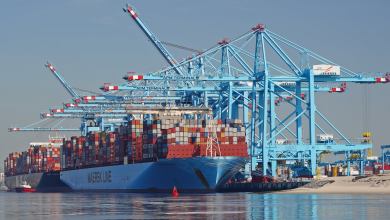
Consolidation in the liner sector is already extreme. Newbuild orders will further concentrate market power in fewer hands.
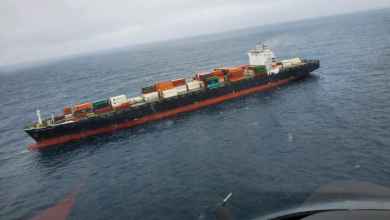
There have been no reported injuries, pollution or cargo losses aboard the vessel deployed on a ONE Atlantic service.
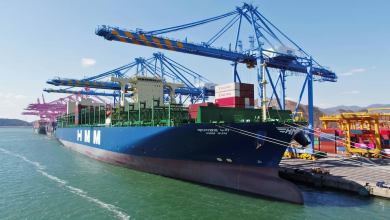
The South Korean container carrier expects the Suez Canal backlog to be cleared by the time the HMM Nuri arrives in mid-April.
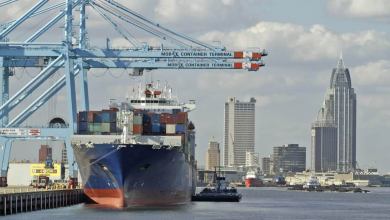
More and more beneficial cargo owners (BCOs) are moving manufacturing and warehousing to Alabama.
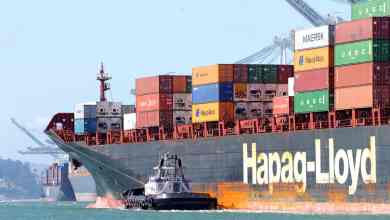
AgTC’s Peter Friedmann said Hapag-Lloyd’s Rolf Habben Jansen failed to mention in a press conference that the container shipping lines are enjoying record profits “while pushing their customers into real financial trouble, some towards bankruptcy.”
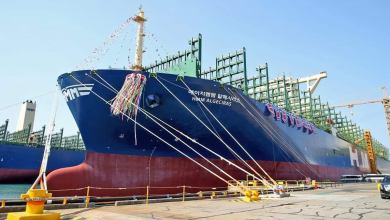
Korean container carrier HMM expects equipment and capacity shortages to continue at least through the end of the first quarter.
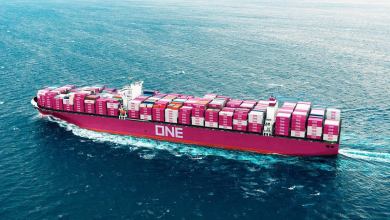
Ocean Network Express takes giant profitability leap — from $5 million to $944 million year-over-year.
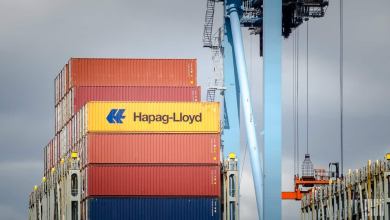
Hapag-Lloyd credits higher freight rates and lower bunker prices as “the main drivers of these positive business developments.”

In Africa, one seafarer is dead and 15 have been kidnapped. Worldwide, more seafarers are being barred from travel as COVID fears rise.
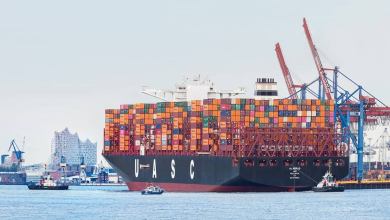
Hapag-Lloyd and ONE have ordered 12 ultra large container ships, all of which will be able to carry more than 23,500 TEUs.

Will your cargo ship arrive on time? Globally, the chances are now 50-50. In the Asia-U.S. container trade, it’s less than one in three.
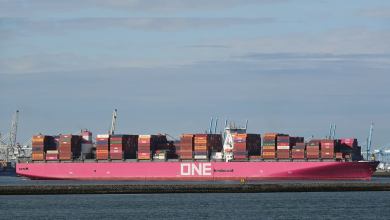
Removal of dislodged containers is expected to take more than a month, and none of the 1,816 units that fell into the Pacific have been recovered.
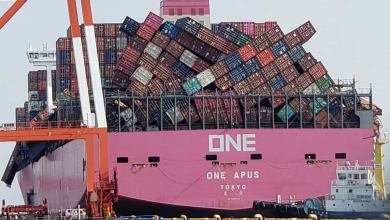
The state of customers’ freight remains unknown as inspection of the 14,052-TEU vessel begins.
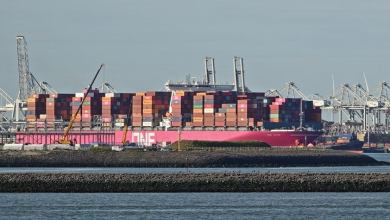
Surviving cargo that was bound for the U.S. now is headed back to Asia.
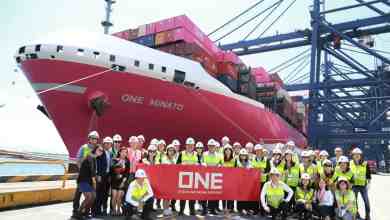
Ocean Network Express is cautious in its full-year forecast as “future cargo demand is very uncertain” while the COVID-19 pandemic wages on.
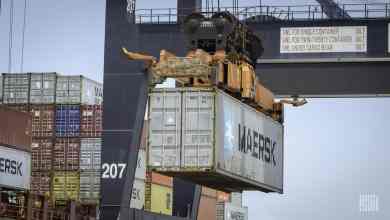
Port Call Data Definitions guide is available for free download.
On a collision course: holiday timing, surging consumer demand, thin inventories, and capacity constraints for container liners and ports.
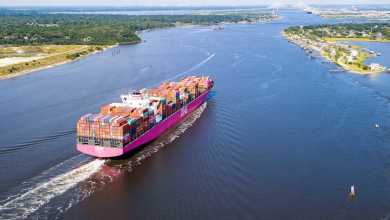
“This service further connects northeast Florida exporters, including the area’s robust forest products sector, to an important and growing segment of the global economy.”
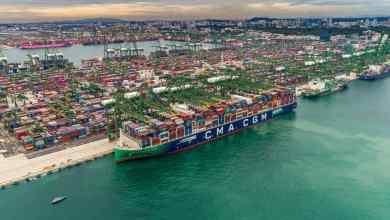
With two more major carriers actively sharing information, data on nearly half of the world’s ocean container cargo is now available on a single blockchain-based data platform