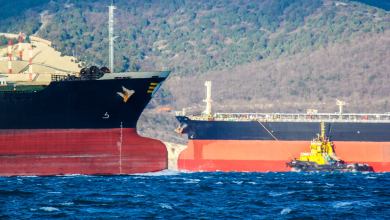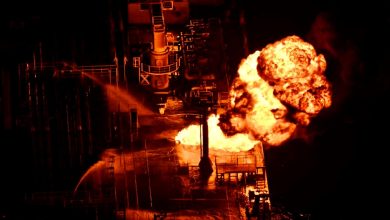
Shipping faces lengthy disruptions as Middle East fallout worsens
The Russia-Ukraine war led to enduring changes in shipping routes. War in the Middle East looks likely to do the same.
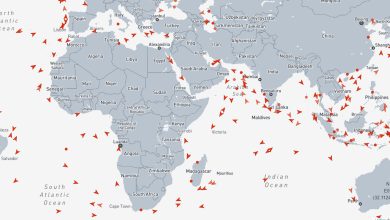
The initial effect of Houthi attacks was on containerized consumer goods. The attacks are now snarling seaborne fuel flows.
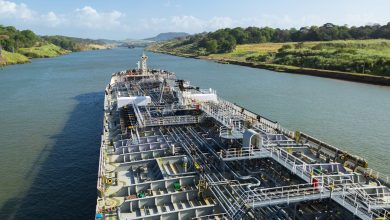
U.S. diesel exports to South America’s west coast are heavily exposed to Panama Canal delays. Tanker rates have skyrocketed.
Geopolitics has always been a key driver of global shipping markets. How could the war in Israel affect rates?
Diesel is an essential fuel for the global economy. The world’s second-largest seaborne supplier, Russia, just halted exports.
Price caps have been breached, discounts on Russian exports are dwindling, and more money is flowing to Russian coffers.
The Wagner mutiny is drawing attention to what happens after the war in Ukraine ends. When it does, shipping will see major changes.
Despite a slow Memorial Day start, summer demand is expected to hike tanker rates in the months ahead.
The price of crude oil is now lower than it was when OPEC announced its latest cuts, fueling more concern on tanker demand.
Tanker investors have been disappointed before. Is the current stock pullback a bump in the road or something more?
More Western tankers are jumping into the Russian trade — legally, under the price cap — to pocket big freight premiums.
Container shipping just experienced a record boom. Some believe crude and product tankers are poised to follow suit.
Shipowners say they won’t order expensive new dual-fuel tankers without charters. They’re not getting charters, so they’re not ordering.
Tanker capacity for diesel is already tight amid war fallout. With very few ships on order, future transport capacity could fall short.
After a year of sanctions and “self sanctions,” shipping cargoes caught in the crossfire continue to find their way to buyers.
Sanctions have split the world’s tanker fleet in two. On one side, those that follow Western rules; on the other, those that don’t.
Sanctions on Russian crude exports have yet to boost tanker rates. Some question whether sanctions on Russian diesel will either.
Product-tanker share prices are up triple digits year to date as investors position for sanctions upside.
The EU is going to ban imports of Russian crude and petroleum products. It still has a long way to go to find replacement supplies.
“Right now, shipping companies around the world are looking at this and scratching their heads,” says sanctions expert Bruce Paulsen.