




Greg Miller
Thursday, June 6, 2019
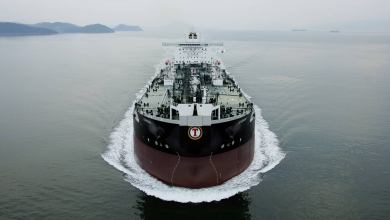
TEN outperforms spot tanker rates with conservative approach
Switch to long-term coverage that began in 2016 continues to pay off in 2019.
Switch to long-term coverage that began in 2016 continues to pay off in 2019.
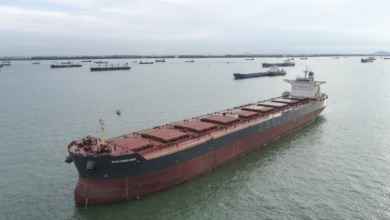
Rates are rising for bulkers and gas carriers, while container pricing on the trans-Pacific is showing signs of life.

Today on FreightWaves NOW, we discuss the promise of the Mexico tariffs from a volume, rate, and oil perspective.

Shipping rates are clawing their way back from lows set earlier this year.

If a trade war pares GDP growth, OPEC cuts may be extended, weighing tanker rates.
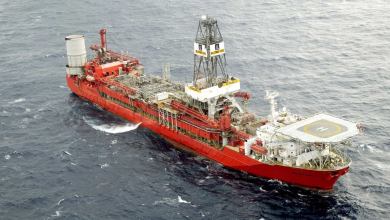
The Teekay companies continue to concentrate their focus on oil and LNG shipping.
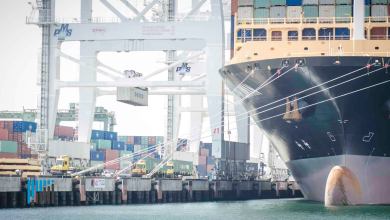
There are some positive signs for shipping rates, but overall, disappointment prevails.

A more flexible shipping loan concept is good for borrowers and their clients, but may have limited scope.

Large ships may provide liner operators with economies of scale, but they are proving more expensive in the chartering market.
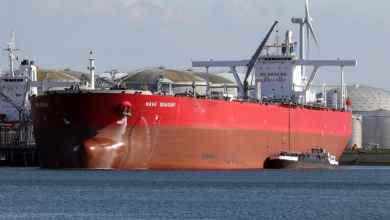
In its first full quarter since repurchasing its spin-off, Navios Acquisition moved to lower its fleet age.
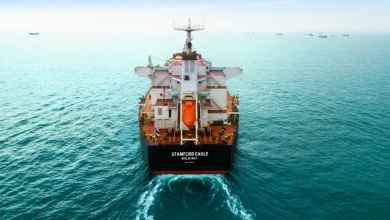
NASDAQ-listed Eagle Bulk believes its ‘owner-operator’ model allows it earn more than ‘pure owner’ competitors.
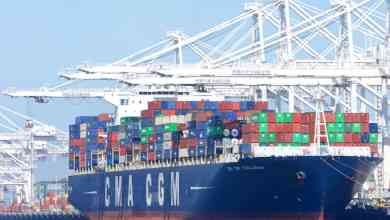
NYSE-listed Global Ship Lease is reporting improved conditions in the container ship chartering market.

Stocks of publicly listed ship owners, particularly in the dry bulk sector, are feeling the fallout of trade tensions.
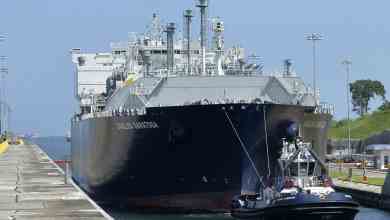
Executives at GasLog Ltd. believe the LNG shipping spot market is set to rebound. Others are not so sure.

According to Seaspan Corporation, the largest U.S.-listed container-ship lessor, liner companies are pulling vessels from service to install scrubbers, which is increasing demand for new charters.

Momentum is building to limit the speed of ocean-going vessels to curtail harmful emissions. The debate will focus on how this could impact charter rates, and whether it could have the unintended consequence of creating even more emissions-generating ship capacity.
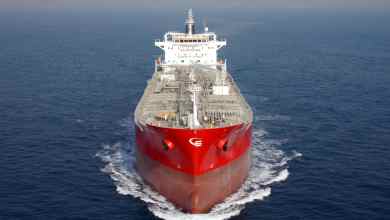
NYSE-listed Scorpio Tankers has returned to profitability and its scrubber-installation program should position it to take advantage of the looming IMO 2020 rule.

So far this year, there has been heightened refinery downtime for maintenance and upgrades, but the tide is expected to turn in the second half, to the benefit of product-tanker rates.

Tanker companies like Euronav expect to see financial benefits from impending environmental regulations, which will change the type of fuel burned at sea and could eventually limit how fast ships can go.
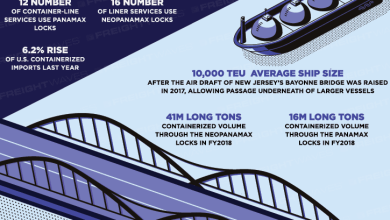
The expanded Neopanamax locks of the Panama Canal, which debuted in June 2016, have been a boon for many shipping sectors, but they were specifically designed with container shipping in mind. Lock capacity is measured in twenty-foot-equivalent units (TEU).