Blockchain-based freight transactions
It seems as though all new platforms these days feature two common denominators – create transparency and streamline processes. Many of them are now being developed with blockchain.

With consumers buying more online and more based on promotions, it has become less about brand loyalty and more about the benefits earned from digital purchases. All that is left is for shipping companies to provide app-assisted delivery.
Graphics processing unit (GPU) manufacturer Nvidia has invested into automated trucking company TuSimple, TechCrunch reports.
Talk about disruptive companies. Every startup in the transportation space these days is touting itself as a disruptive company. A few will become just that. Many, if not most, will not. But few are also introducing a technology, let alone a service, that is disruptive.
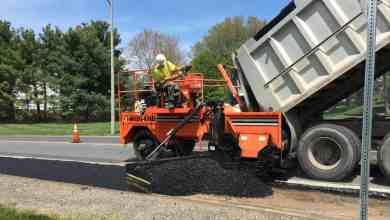
Many people don’t realize it, but construction firms have many of the same problems with truck visibility and tracking that less-than-truckload and truckload carriers have. And a truck arriving late can throw off an entire project’s schedule. That’s why Truck IT has introduce an app to help.
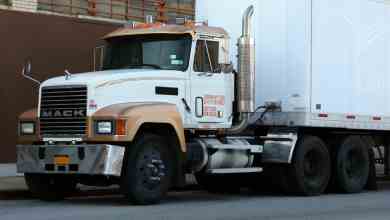
Uber threw its hat into the trucking industry with its own app earlier this year, but now it is upping the stakes with new features, The Verge reports.
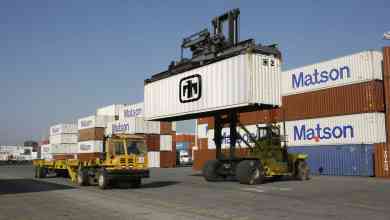
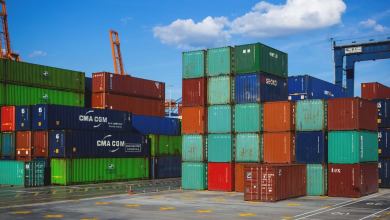
Picture a 40-foot container traveling from Mainland China to a suburb of Los Angeles. It often experiences more complications between the Port of LA and final destination than it does during its international trip. Is blockchain the solution to these problems?
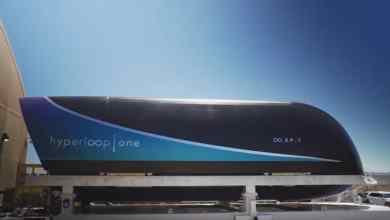
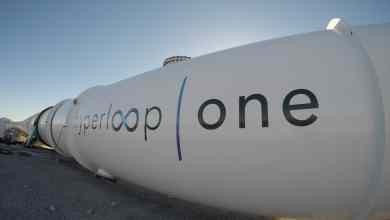
Hyperloop One completed a high-speed test of its pod on its Nevada track test at the end of July, moving it closer to its target speed for its planned pilot in Dubai.
A successful test of Hyperloop One’s technology has given rise the possibility that intermodal freight may someday be moved using the technology.
There is a new option that companies are flocking to quickly raise capital: an ICO – initial coin offering. But there are inherent risks in doing so, and they may be too great to overcome for transportation firms.
As much of the world is progressing towards Industry 4.0, Japan is going a step further. In its recently released Growth Strategy 2017 report, the county puts technological achievements, such as autonomous trucks and drone deliveries, on the fast track as it seeks to develop Society 5.0.
TaaS seems like another in a long line of acronyms that have infiltrated the transportation industrypromising to disrupt the world as we know it. But what is TaaS, and why will this be an acronym that might deliver on its promise?
Kenco Group is known for its logistics services, but it is also becoming known for its innovation. Inside the Kenco Innovation Lab, next-generation solutions are being developed for today’s logistics companies.
McKinsey & Company has recently issued a report on potential impacts to the trucking and rail freight industries in the U.S., Canada and Mexico. The report, “Four forces to watch in trucking and rail freight,” identifies critical structural issues that executives must pay attention to in the immediate future.
If it seems that freight brokerage – both digital and traditional services – are popping up on a daily basis, it could be because they are, or it at least it seems that way. Digital freight matchers (DFMs) include familiar names such as Convoy, CargoMatic, Haulfox and HaulHound. But what if you want to enter the space? Here are some tips on how to be successful as a DFM.
Any trucker knows the importance of directions. Have the right ones, and there is a good chance you can arrive on time. But incorrect directions, and not only will you be delayed, but your employer may be out money for that late arrival. A new app is hoping to change that.
The upcoming electronic logging device (ELD) rule is a great example of the type of mandated technological change coming to the trucking industry, and yet it serves as a great reminder of the importance to perform due diligence before adopting such technologies.
The transportation industry is ripe with startups hoping to be the one that disrupts a $726 billion industry, but without help, most don’t last. Dynamo is a Chattanooga-based venture capital firm that specializes in the logistics space and is helping a few of these startups gain a solid foothold in transportation.
Unlike some technologies, blockchain technology is not likely to displace many workers in the trucking industry. It does promise, however, to streamline financial operations and compliance reporting to make those operations more seamless, potentially saving fleets tens of thousands of dollars.
“The potential here is phenomenal. The match between what blockchain offers and the industry pain points is incredible,” says Bridget McDermott, vice president of Blockchain Business Development for IBM. So what exactly is blockchain?