




FreightWaves Staff
Wednesday, December 18, 2019
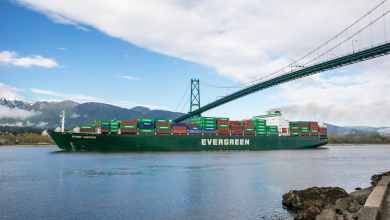
China-US trade truce is no trans-Pacific savior
Hopes that last week’s trade deal might boost the beleaguered shipping lane are overly optimistic, says analyst.
Hopes that last week’s trade deal might boost the beleaguered shipping lane are overly optimistic, says analyst.

After adjusting for Lunar New Year distortions, the growth rate for Chinese exports to the U.S. in November was the lowest since January 1996.
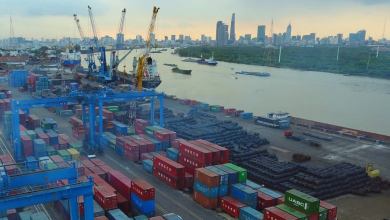
The shift of production from China to southeast Asia is unlikely to stop the trans-Pacific container market from declining this year.
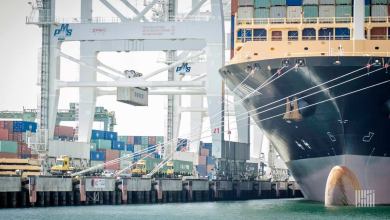
Asia-Europe and Asia-U.S. spot freight rates jumped 12-30% last week, but can carriers hold on to the gains?
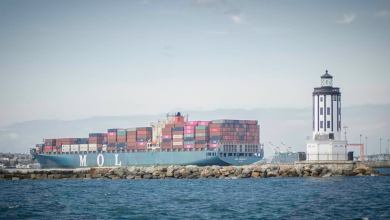
The introduction of new low-sulfur fuels, bearish demand and increased blanked sailings will bring more volatility to box markets in the coming months, says MSI.
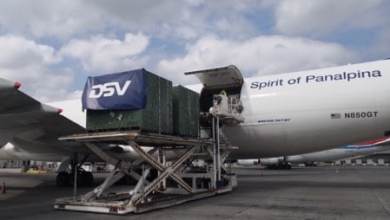
Danish logistics conglomerate DSV is now one of the world’s leading forwarders after completing the acquisition of Panalpina in August.
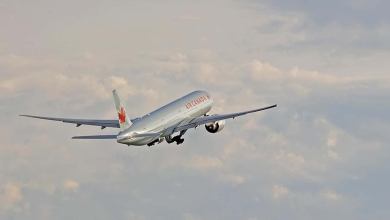
Freight revenue drops by 12.1 percent, led by a more than 20 percent plunge from airline’s Pacific routes.

No single country can absorb the trade flow from China to the U.S., and likely contenders are already growing faster than capacity.

The decision to evacuate towns and cities in southern China came as Hong Kong was left beaten by winds of up to 107 miles per hour and gusts of up to 138 mph.

Transpacific container rates post gains; United States and Mexico try to reach an agreement on the automotive trade; what Amazon did last week; Lloyd’s of London rethinks marine insurance; Mexico City’s new airport has uncertain future; tanker market faces added pressure from US-China spat.